Loading...
Skip to Content

Lower your anxiety.


Feel like your mind is always racing?
That constant hum of worry, the tightness in your chest, the feeling of being overwhelmed by what-ifs? You are not alone. Anxiety can make you feel trapped in a cycle of fear and fatigue, stealing your focus and joy. But it doesn't have to be this way.
Imagine facing your day with a sense of calm control. What if you could disarm anxious thoughts and navigate challenges with newfound resilience? Explore our library of articles, breathing techniques, meditation guides, and actionable coping strategies.

Latest Articles

Daily tips on how to manage your anxiety.
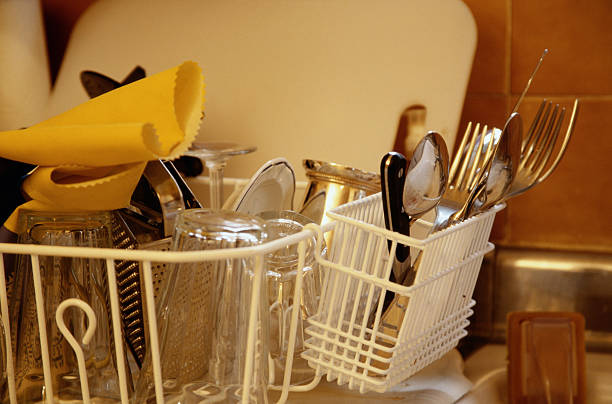
How Washing Dishes Can Help You Feel Less Anxious

You know that feeling when your brain just won’t shut up?
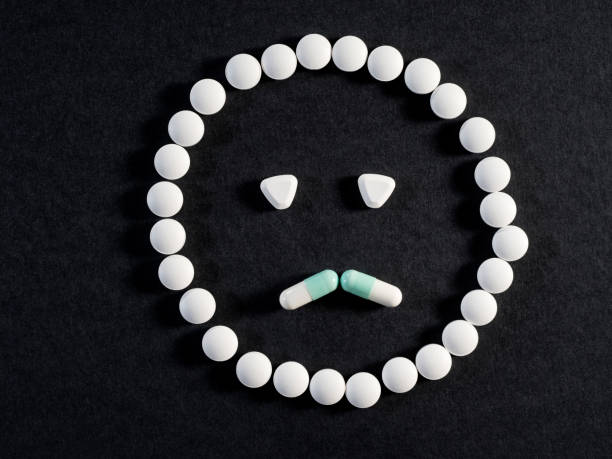
How to Have a Real Talk with Your Doctor About Anxiety Meds

Maybe you have tried breathing exercises, walks outside, or cutting back on caffeine.

Anxiety Thoughts Are Just Passengers, Not the Driver

Imagine you are sitting at a busy train station.

Simple and Effective Ways to Check In With Your Body

In the relentless pace of modern life, our bodies often become mere vehicles for our busy minds, carrying us from task to task until a pang of hunger, a sharp pain, or sheer exhaustion forces us to pay attention.

The Cold Water Face Dunk: A Quick Way to Calm Your Nerves

You know that feeling when your brain decides it’s time to freak out, and your body just follows along like a loyal puppy that doesn’t know any better?
Why Fish Oil Might Help You Feel Less Anxious

If you’ve ever felt your heart race, your palms get sweaty, or your mind spin out of control when you’re stressed, you know how hard anxiety can be.
The Healing Motion: How Physical Movement Alleviates Anxiety

In the quiet storm of anxiety, where thoughts race and the body tenses, a powerful and accessible remedy is often overlooked: the simple act of moving.

Breathe Out Longer to Calm Your Body

Here is a simple thing you can do right now, no matter where you are.

Quick Tips

What questions should I ask about a specific medication they suggest?

Always ask the simple, practical questions. “What is this supposed to do for me?“ and “How long until I might feel a difference?“ are great places to start. Also ask, “What are the side effects I should watch for?“ and “Is there anything I shouldn’t eat or drink while taking this?“ Getting clear answers helps you know what to expect. It also helps you feel more in control and less nervous about starting something new. Your doctor wants you to feel comfortable with the plan.

When is a good time to try this method?

You can use this method anytime you feel your anxiety starting to bubble up. It’s perfect for those moments right before a big test, when you’re feeling stressed in a crowd, or when you’re lying in bed with worries keeping you awake. It’s a tool you can pull out instantly, anywhere you are. You don’t need any special equipment or a quiet room. The goal is to use it the moment you notice yourself feeling tense or panicky to help you find your footing again.

Can changing my food really help me feel less anxious?

Yes, absolutely. Think of your body like a car; it needs the right fuel to run smoothly. Eating regular, balanced meals helps keep your blood sugar stable. When your blood sugar crashes, it can make you feel shaky and even more anxious. A nutrition expert can show you which foods provide steady energy and which ones might be secretly adding to your stress.

What are some simple food tips that can help right away?

They might suggest easy wins, like eating a protein-rich breakfast to start your day calmly. This could be eggs, yogurt, or a smoothie. They also often recommend cutting back on sugary drinks and caffeine, as these can make you feel jittery and mimic anxiety. Drinking enough water is another simple, powerful step, since even mild dehydration can affect your mood.

What should I do with the extra time I get from a break?

Fill that time with something that feels good and calm for you. This could be listening to your favorite music, going for a walk, reading a book for fun, or doing a hobby like drawing. You could also use the time to talk to a friend or family member in person or on the phone about something other than the news. The goal is to do something that helps you feel relaxed and more like yourself again.