When your chest feels tight and your thoughts are running fast, you do not need a huge plan. You need something small that tells your body, “We can slow down now.” A warm cup of tea and a scent you like can do that. They are simple. They are cheap. They do not ask you to believe anything special. They just give your senses something calm to hold on to.
Tea works best when you make it a full pause, not just a drink. Pick a mug you like. Put water on to heat. Listen to it. Watch the steam. Smell the tea before you sip it. These small steps pull your attention away from the spin in your head and into the room around you. That shift matters. When you are anxious, your mind often jumps ahead to worst cases. A simple routine brings you back to what is happening now: water, cup, steam, warm handle.
You do not need fancy tea. Plain black tea, green tea, mint, ginger, or chamomile all work. The point is not the label. The point is the warm cup, the steady smell, and the short break. If caffeine makes you feel jumpy, choose a tea without it. If you are not sure, try mint or ginger. Keep it simple. The more steps you add, the less likely you are to make it when you feel bad. A tea bag, hot water, and a mug are enough.
Slow down the drinking. Most of us gulp without thinking. For this pause, take one sip and notice the heat. Take another and notice the taste. Feel the mug in your hands. Let your shoulders drop. You are not trying to force calm. You are giving your body a gentle signal. Warmth in your hands, a soft smell, and a steady sip can help your body shift out of rush mode. It will not fix everything. It does not need to. It just gives you a few minutes that are not full of noise.
Scent is another easy tool. You already know how a smell can change a room. Bread baking, rain on dry ground, fresh cut grass, or a favorite soap can pull a memory or a feeling out of nowhere. You can use that power on purpose. Pick one scent you link with comfort. It might be lemon, cinnamon, mint, pine, or clean laundry. It does not have to be special or expensive. A cut orange, a drop of vanilla on a cotton ball, a quick sniff of a spice jar, or a bar of nice soap can work.
Keep your scent close and easy to reach. Put a small jar of cinnamon in a drawer. Keep a lemon on the counter. Set a bar of soap near your desk. When you feel your mind speed up, take three slow sniffs. That is all. Smell is fast. It can reach your brain before you have time to argue with yourself. A familiar, simple scent can act like a small anchor. It says, “This is here. This is now. You have done this before.”
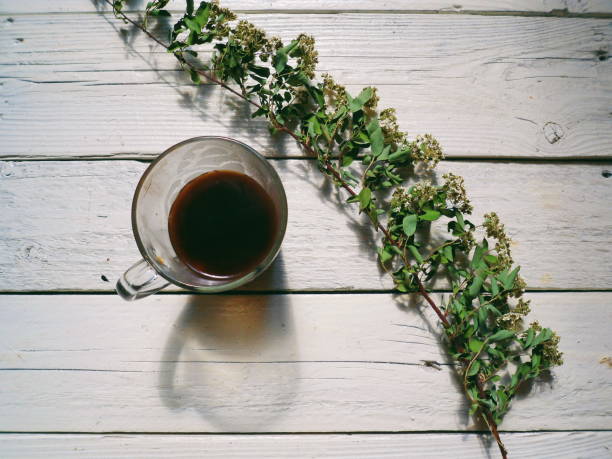
You can also pair tea and scent. Heat water. Put a slice of lemon in your cup. Sit near a window. Breathe in the steam. Take a sip. Let the warm cup rest in your hands. This is not a magic trick. It is a routine. Routines are powerful because they are repeatable. The more often you use a small comfort when you are only a little tense, the easier it is to remember when you are very tense.
One warning: keep it simple and safe. Do not leave a stove on. Do not use a scent if it bothers your nose or breathing. Do not use hot water in a way that can burn you. Choose things that feel easy and gentle. The goal is not to build a perfect setup. The goal is to have one small thing you can do in real life, on a normal day, when your thoughts are loud.
A warm drink and a familiar smell will not make worry vanish. They can make the next few minutes easier. They can give your hands something to hold and your mind something simple to notice. That small break matters. When you feel anxious, start with a cup, a scent, and a slow breath. Keep it plain. Keep it close. Let the simple comfort do its small job.