Loading...
Skip to Content

Calming Your Body's Alarm System

Recent Articles

When Your Inner Alarm Feels Overwhelming: A Guide to Seeking Calm

That internal alarm system—a pounding heart, racing thoughts, a sense of impending doom—is meant to be a protective signal.

The Core Difference: Understanding Belly Breathing vs. Normal Breathing

Breathing is the most fundamental rhythm of life, an involuntary act we perform thousands of times each day without a conscious thought.

Understanding Your Body’s Internal Alarm System

Have you ever felt your heart suddenly pounding before a big presentation, or your stomach lurching when you hear unexpected bad news?

The Science of Staying Cool Under a Heavy Blanket

The allure of a heavy blanket is undeniable.

Gentle Movement: Calming Your Body’s Alarm System

Imagine your body has a built-in alarm system, like a super-sensitive car alarm.

The Power of Belly Breathing: A Simple Practice with Profound Effects

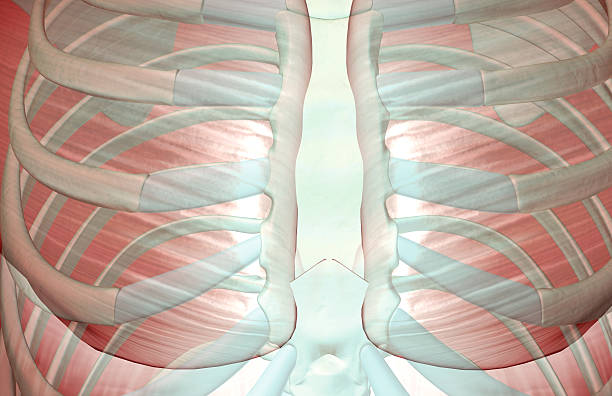
Belly breathing, also known as diaphragmatic breathing or deep abdominal breathing, is a fundamental yet transformative practice that involves consciously engaging the diaphragm to draw air deep into the lungs.

The Science and Comfort Behind Heavy Blankets: More Than Just Warmth

A heavy blanket often feels like a warm embrace at the end of a long day, but its benefits extend far beyond simple comfort.

The Calming Power of Cold Water: How a Splash to the Face Eases Panic

The sensation is both startling and soothing: a sudden, sharp chill as cold water meets the skin of the face.

The Power of Belly Breathing: When to Harness This Essential Technique

In the constant rhythm of our daily lives, breathing happens automatically, a silent engine powering our existence.

Can a Cold Shower Really Ease Constant, Low-Level Anxiety?

In our modern quest for calm, the ancient practice of cold exposure has resurfaced with viral enthusiasm.

The Quest for the Ideal Setting: Where is the Best Place to Do This?

The seemingly simple question, “Where is the best place to do this?” unravels into a profound inquiry about context, purpose, and human nature.?

Finding Your Perfect Weighted Blanket: A Guide to Comfort and Calm

The quest for better sleep and reduced anxiety has led many to the world of weighted blankets, but a crucial question remains: how heavy should my blanket be?

Quick Tips

How does magnesium actually help me feel less anxious?

Magnesium acts like a natural chill pill for your nervous system. It helps calm the “alarm bells” in your body and brain. When you’re stressed, your body can get stuck in high-alert mode. Magnesium steps in to help block some of the stress hormones that keep you feeling wired. It also supports a chemical in your brain called GABA, which is your body’s own “off switch” for anxiety. By supporting these natural processes, magnesium helps your body and mind relax, making it easier to unwind and find a sense of calm.

How long does it take for fish oil to help with anxiety?

You need to be patient with fish oil, as it’s not a quick fix. It’s more like planting a seed and waiting for it to grow. It takes time for these healthy fats to become a regular part of your brain’s structure. Most people start to notice a subtle difference in their overall sense of calm after a few weeks, but it can often take a couple of months to feel the full effect. The key is to take it consistently, every day, to give your brain the steady support it needs.

How can I practice this so it becomes a habit?

The best way to practice is by using a “thought log.“ Get a notebook and draw two columns. In the first column, write down an anxious thought when it pops up. In the second column, write a kinder, more balanced version. You don’t have to do it perfectly. The simple act of writing it down helps you slow down and see your thoughts more clearly. Doing this for just five minutes a day trains your brain to spot unbalanced thoughts automatically and helps you become your own best coach.

How is this different from talking to my friends or family?

Your friends and family love you, but they might not always understand what anxiety truly feels like. In a group, everyone has been in your shoes. You won’t hear things like, “Just don’t think about it,“ or “You’re overreacting.“ Instead, you’ll hear, “I’ve felt that way too,“ and that makes all the difference. It’s a special space where you can be completely honest about your struggles without worrying about burdening someone or being misunderstood.

Why are healthy fats so important for my brain?

Think of your brain as the most powerful engine in your body. Healthy fats are like its premium fuel. Your brain is actually made up of nearly 60% fat, and it needs a steady supply of the right kinds to build its structure and keep all its communication networks running smoothly. When you feed your brain these good fats, you help it manage your mood and thoughts more effectively, which can be a huge help in keeping you feeling calm and steady throughout your day.