Eating on a Schedule to Feel Less Anxious
Think about how a car runs. When the gas tank is full, the engine hums along smoothly. When you’re coasting on fumes, every little bump feels bigger, and you’re just waiting for the thing to sputter out. Your body is the same way. When you eat on time, you’re keeping your tank filled. But when you push off lunch until three in the afternoon because you’re busy or distracted, your tank hits empty. That’s when your heart starts racing over small things, your thoughts get foggy, and suddenly the pile of homework or chores feels like a mountain. That isn’t weakness. That’s your body sending stress signals because it needs food.
Here’s what happens inside you when you wait too long to eat. Your blood sugar, which is just the energy your body runs on, drops low. When that happens, your brain panics a little. It thinks something is wrong because it doesn’t have enough fuel to think clearly. So it releases stress hormones, the same ones that show up when you’re scared or in danger. That makes you feel anxious, even if nothing bad is actually happening. Then you might eat something quick and sugary, like a candy bar or a bag of chips, and that gives you a burst of energy, but it crashes just as fast. And what comes after a crash? More anxiety, more jitters, and usually a craving for another quick fix. It’s a nasty loop.
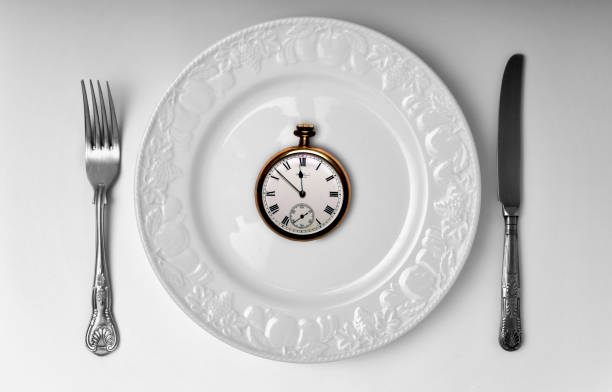
The way to break that loop is simple but takes practice. Eat on a schedule. That doesn’t mean you need fancy meal plans or strict rules. It just means have set times when you eat, roughly every three to four hours, and stick to them most days. Breakfast at seven, a snack at ten, lunch at one, another snack at four, dinner at seven. Or whatever works for your day. The key is to eat before you get that gnawing, hollow feeling in your stomach. By the time you’re starving, you’ve already let your body go too far. Instead, eat when you first feel a little hungry, or even just because it’s time. Your body loves routine. It will stop worrying about when the next meal comes, and that frees up your brain to focus on other things, not on panic.
Now, what you eat matters too, but that doesn’t mean you have to load up on kale and quinoa. Just try to include a mix of protein, some healthy fat, and a little fiber at each meal. Protein comes from eggs, chicken, beans, or yogurt. Healthy fat comes from nuts, avocados, or olive oil. Fiber comes from whole grains, fruits, and vegetables. That combo keeps your energy level steady for a long time. If you just eat cereal with no milk, you’ll be hungry again in an hour. But if you have toast with peanut butter and a banana, you’ve got protein, fat, and fiber all together. That will hold you until lunch without the rollercoaster ride.
Snacks are your friend, not your enemy. Keep easy ones around so you never get caught without food. A handful of almonds, a piece of cheese, an apple, a granola bar. Even a glass of milk works. The point is to have backup plans so you don’t end up staring at a vending machine when stress hits. When you’re anxious, your brain might tell you to skip food because you feel too wound up to eat. That’s a trap. Even if you don’t feel hungry, your body still needs fuel. Make yourself take a few bites. Once you start eating, your stomach settles down, and so does your head.
Another thing to remember is that eating on time doesn’t just prevent those low-blood-sugar anxiety attacks. It also helps you sleep better, think clearer, and feel more in control. When you make a plan for your meals, even a loose one, you’re telling your body, “Hey, I’ve got you. Food is coming.“ That sense of reliability is calming all on its own. You stop spending mental energy wondering when you’ll eat next, because you already decided. And that decision-making takes a load off your brain, which is great when you’re already carrying around extra worry.
Start small. Pick one meal that you’ll eat at the same time every day this week. Maybe it’s breakfast. Maybe it’s lunch. Set a reminder on your phone if you need to. Once you get that down, add another meal. It won’t take long before you notice that the hour before dinner isn’t as tense, or that you’re not getting that weird, shaky feeling in the middle of the afternoon. That’s not magic. That’s just your body thanking you for keeping it fed. You already have enough stuff to worry about. Food should not be one of them. Eat on time, eat enough, and watch some of that anxious edge start to fade.
Related Articles
Learn more about Taking Care of Your Body.
Why a Simple Walk Is One of the Best Ways to Shut Down Anxiety