Loading...
Skip to Content

Helpful Supplements

Recent Articles
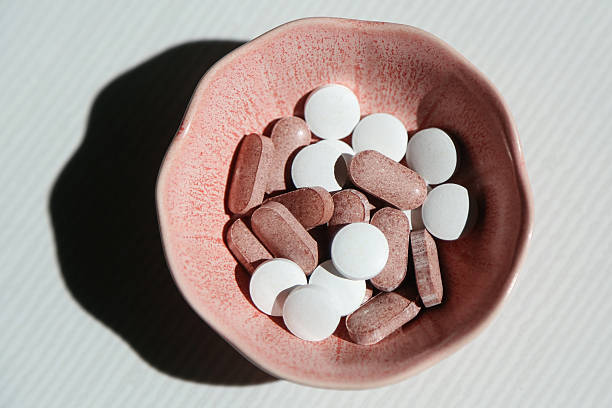
Exploring the Potential Side Effects of Fish Oil Supplements

Fish oil, derived from the tissues of oily fish like salmon, mackerel, and sardines, is one of the most widely consumed dietary supplements globally.

The Quest for a Soothing Hug in a Bottle: Calming the Modern Nervous System

In an age of constant connectivity and unrelenting demands, the longing for a sense of calm is almost universal.

Magnesium: The Cozy Blanket for Your Nerves

Imagine your brain and body are like a busy city.

Will I Feel a Difference Right Away? The Nuanced Truth About Immediate Change

The human desire for instant gratification is a powerful force, especially when we embark on a new path of self-improvement.

The Science of Serenity: How L-Theanine Promotes Calmness

Nestled within the delicate leaves of the Camellia sinensis plant, commonly used to make green and black tea, lies a unique amino acid with profound effects on the human mind: L-theanine.

Understanding Probiotics: The Beneficial Microbes Within

In an age increasingly focused on health and wellness, the term “probiotics” has become a common fixture on supermarket shelves and in health food discussions.

The Surprising Link Between Your Gut and Your Anxiety

For centuries, we have intuitively understood the connection between our digestive system and our emotions, using phrases like “gut-wrenching” or “butterflies in your stomach.” Modern science now confirms this link is not merely metaphorical but a complex, bidirectional superhighway of communication known as the gut-brain axis.

Fish Oil: A Simple Boost for Your Brain and Mood

Have you ever heard that fish is called “brain food”?

Natural Support: Exploring Supplements for Stress Resilience

In our fast-paced modern world, the quest for effective ways to manage stress is more relevant than ever.

How Fish Oil Can Soothe Your Mind and Promote Calmness

In our fast-paced world, the quest for mental calm is more pressing than ever.

Herbal Allies for Anxiety: Soothe a Shaky Stomach Naturally

The physical grip of anxiety is often as challenging as the mental worry that triggers it.

Calming Herbs for a Quieter Mind

Life can get loud sometimes.

Quick Tips

What are some real benefits I’ll notice quickly after cutting down?

You’ll be surprised by how fast you feel better! One of the first things people notice is sleeping more deeply and waking up feeling more refreshed, without a foggy head. You’ll also save a good amount of money, which feels great. Perhaps the biggest benefit is feeling a sense of pride and control over your own life. As your body gets off the anxiety rollercoaster, you’ll likely find you feel more steady and calm overall.

What’s the best time to take magnesium for relaxation?

The best time to take your magnesium is about 30 to 60 minutes before you go to bed. This timing allows the mineral to get into your system and start its calming work right as you’re trying to wind down for the night. It can help quiet a busy mind, making it easier to fall asleep. Taking it with a small snack can also help with absorption. Making it part of your nightly routine signals to your body that it’s time to shift from a busy day into a more peaceful and restful state.

Why would something so simple help me feel less anxious?

When you feel anxious, your body is full of extra energy, like a shaken-up soda bottle. Gentle movement helps to slowly release that fizzy energy instead of letting it explode. It tells your body’s built-in alarm system, “Hey, we’re safe, we can calm down now.“ By focusing on easy stretches or the rhythm of your walk, you give your busy mind a simple job to do, which helps quiet the worried thoughts. It’s a direct way to show your body it’s okay to relax.

Why should I cut down if these things help me relax in the moment?

It’s true, they can feel relaxing right away. But that feeling is temporary. For both alcohol and nicotine, your body quickly builds a tolerance. This means you need more and more to get the same calm feeling. In the long run, they can actually make your general anxiety much worse as your body becomes dependent on them to feel “normal.“ You end up on a rollercoaster of relief and craving, which is stressful in itself.

What should I actually write about?

Write about whatever is making you feel anxious, sad, or frustrated. Start by asking yourself, “What’s bothering me right now?“ and just write the answer. Describe what happened, how it made you feel, and why you think it upset you. You can also write about things you’re looking forward to or things you’re grateful for. There are no rules. The most important thing is to be honest with yourself.