
Skip to Content

Hormones, Health Conditions and Anxiety

Why a Blood Sugar Dip Can Make You Feel Anxious

Why a Blood Sugar Dip Can Make You Feel Anxious

You know that shaky, wired feeling that comes out of nowhere.

Why Low Blood Sugar Can Make You Feel Anxious

Why Low Blood Sugar Can Make You Feel Anxious

You know that shaky, worried feeling that comes out of nowhere? Maybe your heart starts pounding, your hands feel weird, and your thoughts jump around.
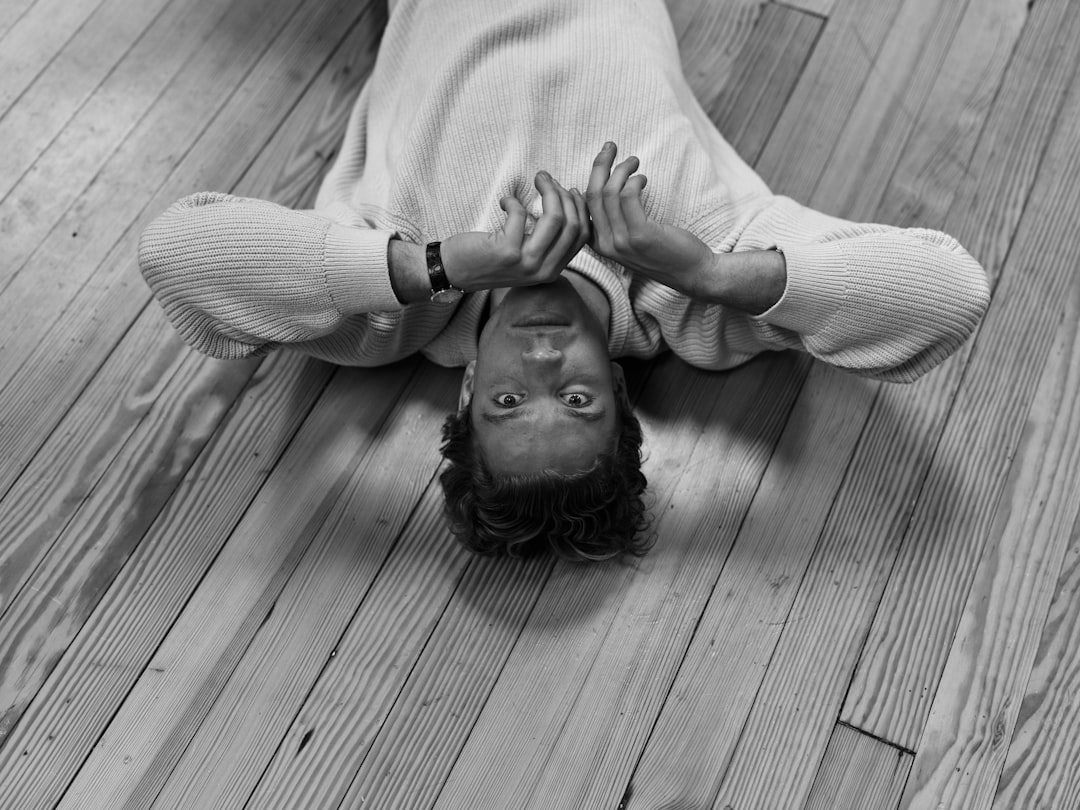
How a Simple Shoulder and Neck Rub Can Help You Feel Calmer

How a Simple Shoulder and Neck Rub Can Help You Feel Calmer

When you feel worried, your shoulders often creep up toward your ears.

How a Daily Walk Can Ease Anxious Feelings in Older Adults

How a Daily Walk Can Ease Anxious Feelings in Older Adults

A daily walk is one of the simplest ways to help your body handle worry.
How to Use Scent to Build a Calmer Evening Routine

How to Use Scent to Build a Calmer Evening Routine

Your nose is a fast shortcut to how a room feels.

A Ten-Minute Walk After Dinner Can Help You Feel Less Wound Up

A Ten-Minute Walk After Dinner Can Help You Feel Less Wound Up

You don’t need a gym, special shoes, or a big block of free time to feel better.

A Short Walk Can Help You Worry Less

A Short Walk Can Help You Worry Less

When you feel worried or wound up, it can be tempting to sit still and think your way out of it.

The Ten-Minute Walk That Helps You Feel Less Wound Up

The Ten-Minute Walk That Helps You Feel Less Wound Up

When your body feels jumpy and your thoughts won’t sit still, the last thing you may want to do is move.

A Short Massage Can Be a Simple Way to Lower Anxiety

A Short Massage Can Be a Simple Way to Lower Anxiety

A short massage can be one of the easiest ways to help your body shift out of high-alert mode.

How to Get Through a Bad Day When Pain and Worry Team Up

How to Get Through a Bad Day When Pain and Worry Team Up

When pain or illness sticks around, worry likes to move in too.

A Steady Wake-Up Time Is a Simple Way to Feel Less Wound Up

A Steady Wake-Up Time Is a Simple Way to Feel Less Wound Up

You know that feeling when your alarm goes off and your whole body says no.

Quick Tips

How do I actually do belly breathing?

It’s easy to learn! First, find a comfortable place to sit or lie down. Put one hand on your chest and the other on your belly. Take a slow breath in through your nose, and try to make the hand on your belly rise while the hand on your chest stays mostly still. Then, breathe out slowly through your mouth, feeling the hand on your belly fall. Just focus on that slow, steady rhythm: belly up as you breathe in, belly down as you breathe out.

What should I do if I’m lying in bed and my mind won’t stop worrying?

Don’t just lie there getting frustrated! If you’re still awake after about 20 minutes, get out of bed. Go to another room and do something calm and boring in dim light, like reading a simple book or listening to soft music. Avoid looking at your phone. Once you start feeling sleepy, head back to bed. This breaks the cycle of anxiety about not sleeping and helps you associate your bed only with sleepiness.

I’m nervous about asking for help. What can I do?

It’s completely normal to feel nervous about asking for help! It can feel scary. A good trick is to plan what you want to say beforehand. You could write it down in a note or a text if saying it out loud feels too hard. Remember that the people who care about you want to support you. Asking for help is a sign of strength, not weakness. It shows you are taking control of your feelings.

What should I actually write about?

Write about whatever is making you feel anxious, sad, or frustrated. Start by asking yourself, “What’s bothering me right now?“ and just write the answer. Describe what happened, how it made you feel, and why you think it upset you. You can also write about things you’re looking forward to or things you’re grateful for. There are no rules. The most important thing is to be honest with yourself.

How can I practice this when I’m feeling overwhelmed?

Start small. Take one deep breath and pick one thing in the room to focus on, like a spot on the wall. When a worrying thought appears, just say to yourself, “There’s a thought,“ and gently bring your attention back to that spot. You don’t have to clear your mind. The goal is just to practice shifting your focus, even for a few seconds. Doing this is like a mini-workout for your brain, teaching it that it’s okay to notice a thought without getting swept away by it.