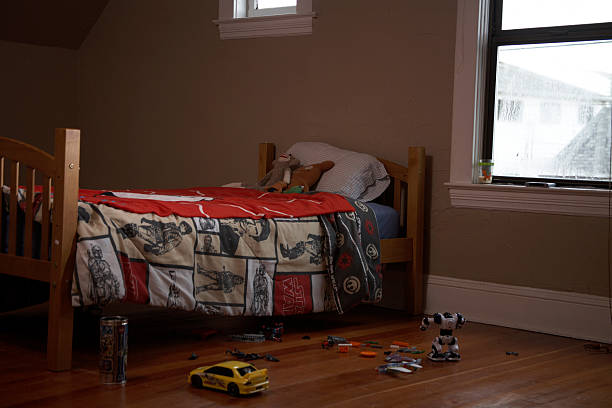
When kids and teens feel worried, sleep is often the first thing to go. They lie awake thinking about a test, a fight with a friend, or something they said at lunch. Then they wake up tired, and every small problem feels bigger. It becomes a loop: worry makes sleep harder, and poor sleep makes worry stronger. Breaking that loop starts with treating sleep as a basic need, not a luxury.
Sleep is when the body and brain reset. For kids and teens, it is also when the brain sorts through the day. A tired brain has a harder time handling surprises, keeping cool, and seeing that a problem is not the end of the world. A well-rested brain can pause before reacting. That pause matters. It gives a kid a chance to think, “I can handle this,” instead of “Everything is going wrong.”
Parents and caregivers can help by making sleep a team goal, not a punishment. Teens especially need to feel respected. A rule like “Go to bed now” often starts a fight. A better move is to ask, “What would help you get to sleep easier?” Then build a plan together. Maybe the phone charges in the kitchen. Maybe lights go dim at a certain time. Maybe the last hour is for a shower, a snack, and a calm show. The plan should be simple enough to actually follow on a normal Tuesday.
One of the biggest sleep stealers is the phone. Kids and teens often scroll when they feel worried, hoping to distract themselves. It works for a few minutes, but it can make the brain feel wired. The light and the endless feed tell the brain to stay alert. A simple boundary helps: no screens in bed. Not because phones are evil, but because the bed should signal rest. If a teen needs an alarm, a cheap clock can do the job. If music helps, a speaker can play something soft and then stop.
Another helpful step is a wind-down routine. It does not need to be fancy. It can be the same three or four small actions every night: brush teeth, wash face, set out clothes, read a few pages. Doing the same things in the same order tells the body that sleep is coming. Kids and teens may roll their eyes, but routines lower the number of decisions they have to make when they are already tired.
Worry at bedtime is common. Instead of saying “Just stop thinking about it,” give the worry a place to go. A notebook beside the bed can work. The kid writes down the worry or a short list of tomorrow’s tasks. Then the brain does not have to keep holding it. For younger kids, a short talk before lights out can help. “Tell me one thing that is on your mind, and then we will park it until morning.” Keep it brief. The goal is not to solve everything at night. The goal is to help the body rest.
Daytime habits matter too. Time outside, moving the body, and getting some bright light in the morning all help sleep come easier at night. So does cutting caffeine later in the day. Kids and teens often drink soda, tea, or coffee without thinking about it. A simple rule helps: no caffeine after lunch if sleep is a problem. Also, a regular wake-up time matters more than a perfect bedtime. Even on weekends, staying close to the same morning time helps the body know when to feel sleepy.
When sleep improves, anxiety often does not disappear, but it gets easier to manage. A tired kid may cry over a spilled drink. A rested kid can grab a towel. That is not a small change. It is a daily win. Start with one or two changes, not ten. Pick the phone boundary or the wind-down routine. Give it a week. Watch what happens. If sleep problems last for weeks or feel serious, talk with a doctor or school counselor. But for many kids and teens, better sleep is a strong first step. It is free, it works with the body, and it helps worry lose some of its grip.