



Skip to Content

Sleep and Anxiety

How to Sleep Better When Worry Keeps You Awake

How to Sleep Better When Worry Keeps You Awake

Worry loves the dark.
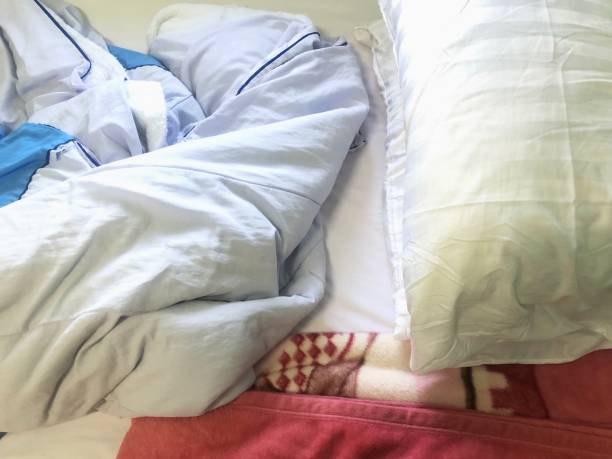
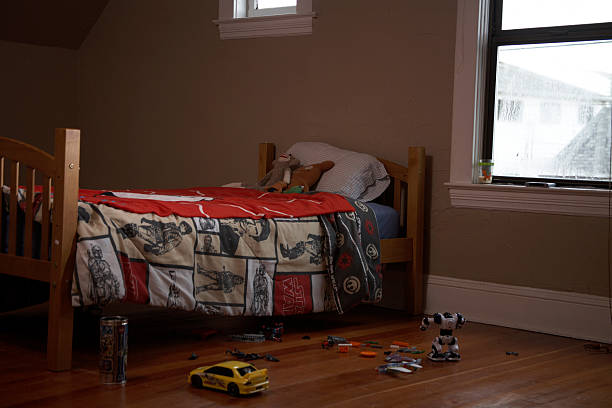
Turn Your Bedroom Into a Sleep Cave to Calm a Busy Mind

Turn Your Bedroom Into a Sleep Cave to Calm a Busy Mind

When your body is tired but your brain won’t stop talking, the room around you matters more than you think.
How a Simple Shoulder and Neck Rub Can Help You Feel Calmer

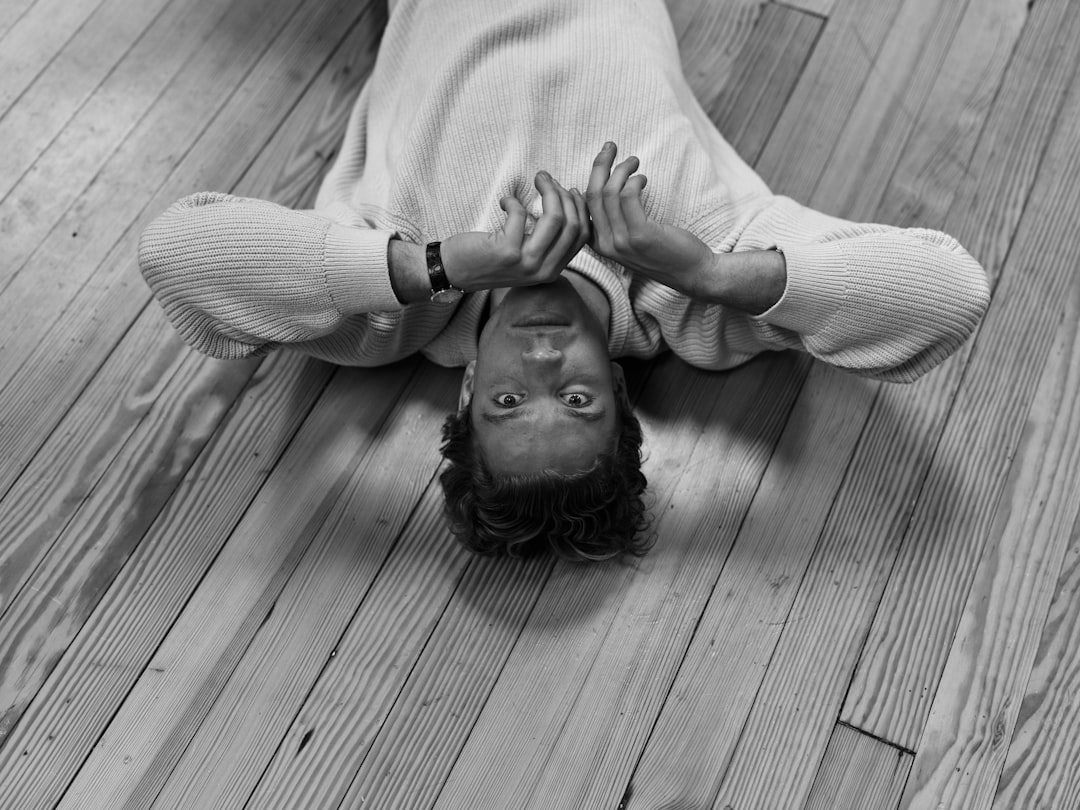
How a Simple Shoulder and Neck Rub Can Help You Feel Calmer

When you feel worried, your shoulders often creep up toward your ears.

How a Daily Walk Can Ease Anxious Feelings in Older Adults

How a Daily Walk Can Ease Anxious Feelings in Older Adults

A daily walk is one of the simplest ways to help your body handle worry.
How to Use Scent to Build a Calmer Evening Routine

How to Use Scent to Build a Calmer Evening Routine

Your nose is a fast shortcut to how a room feels.
Why a Blood Sugar Dip Can Make You Feel Anxious

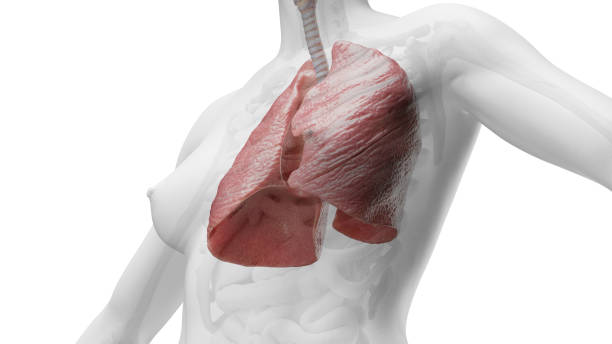
Why a Blood Sugar Dip Can Make You Feel Anxious

You know that shaky, wired feeling that comes out of nowhere.

Why Low Blood Sugar Can Make You Feel Anxious

Why Low Blood Sugar Can Make You Feel Anxious

You know that shaky, worried feeling that comes out of nowhere? Maybe your heart starts pounding, your hands feel weird, and your thoughts jump around.

A Ten-Minute Walk After Dinner Can Help You Feel Less Wound Up

A Ten-Minute Walk After Dinner Can Help You Feel Less Wound Up

You don’t need a gym, special shoes, or a big block of free time to feel better.
A Short Walk Can Help You Worry Less

A Short Walk Can Help You Worry Less

When you feel worried or wound up, it can be tempting to sit still and think your way out of it.

Quick Tips

What should I do when my mind wanders off during a task?

Don’t get mad at yourself! It’s completely normal and expected for your mind to wander. That’s just what minds do. The most important part of this practice is to notice when it has happened. When you realize you’re thinking about something else, just gently and kindly guide your attention back to the task. There’s no need to restart. Every time you gently bring your focus back, you are strengthening your ability to manage your anxiety. It’s like a friendly game of fetch with your brain.

What if I notice something that feels bad or uncomfortable?

That’s completely okay and actually the whole point! The goal isn’t to feel perfect; it’s to know what’s happening. If you notice a tight muscle or a nervous stomach, just acknowledge it without getting upset. You can say to yourself, “Okay, my neck is really tight right now.“ Just naming it can sometimes make it feel a little less powerful. Remember, you are not your feelings. You are the person noticing them, and that gives you back a sense of control.

What should I focus on during gentle movement to get the most benefit?

Focus on your body, not your thoughts. Notice what you can feel. Can you feel your feet on the floor during a walk? Can you feel the stretch in your shoulders? Listen to the sounds around you. When a worried thought pops up, just gently bring your attention back to your body or your breathing. You aren’t trying to fight your thoughts; you’re just giving your mind a quiet anchor to hold onto, which helps the anxious feelings settle down on their own.

How does drinking enough water affect my anxiety?

Staying hydrated is a simple but powerful tool. Even mild dehydration can affect your mood, making you feel tired, headachy, and more on edge. When your body is low on water, your heart has to work harder, which can feel a lot like anxiety. By drinking water throughout the day, you help your body’s systems run smoothly, including the ones that manage stress. It’s an easy way to take care of yourself and prevent a physical problem from making your anxiety worse.

Can this help with the physical feelings of anxiety?

Yes, absolutely. When you stop fighting your anxious thoughts, your body often starts to calm down too. The physical feelings—like a fast heartbeat or shaky hands—are part of the anxiety package. By accepting the worried thoughts without panic, you send a signal to your body that there’s no emergency. This can turn down the volume on those physical symptoms over time. You learn to ride out the wave of physical feelings until it passes.