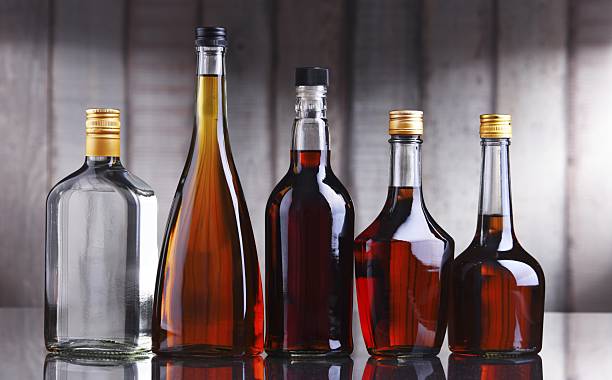
The Anxiety Hangover: Why That Drink Makes You More Nervous Later
Let’s talk about why that happens and what you can do about it. No fancy science terms. Just the straight stuff.
Alcohol is a depressant. That doesn’t mean it makes you depressed. It means it slows down your brain. Your nervous system is like a car engine that’s always idling a little high. When you’re anxious, that engine is revving too fast. Alcohol puts the brakes on. You feel calm. Your heart rate drops. Your muscles let go. Feels great.
But here’s the problem: your body doesn’t like when you mess with its rhythm. So as soon as the alcohol wears off, your brain goes into panic mode to balance things out. It hits the gas. Your heart rate jumps. Your thoughts start spinning. You feel edgy, jittery, and way more nervous than before you had that drink. This is called the rebound effect. Some people call it a hangover, but it’s actually an anxiety hangover.
Think of it like this. If you push a boulder up a hill and then let it go, it doesn’t just stop at the bottom. It bounces and rolls even farther than where it started. That’s what alcohol does to your anxiety. It pushes it downhill for a little while, but then it comes flying back up, sometimes worse than before.
Now, you might be thinking, “But I only have one drink. That can’t be that bad.” Actually, even a small amount can mess with your sleep, and bad sleep is a major anxiety trigger. Alcohol stops you from reaching the deep, restful sleep your brain needs to reset. You might fall asleep faster, but you wake up in the middle of the night with a dry mouth, a pounding heart, and a mind that won’t shut up. That’s the anxiety hangover in action.
And what about smoking or vaping? Same story. Nicotine is a stimulant. It speeds up your heart and brain. You might feel a quick burst of focus or calm because you take a deep breath when you hit a vape. But that calm lasts maybe two minutes. Then your body starts craving more, and the withdrawal makes you irritable and anxious. So you light up again. It’s a loop. You’re not calming down. You’re just feeding a habit that makes your anxiety worse in the long run.
So what’s the real fix? If you want to lower anxiety, cutting back on alcohol and nicotine is one of the most powerful things you can do. You don’t have to quit all at once. Just notice. Next time you feel anxious, try something else first. Take five deep slow breaths. Walk around the block. Drink a big glass of water. Call a friend. Give your body ten minutes to see if the feeling passes. Often it does.
And if you do decide to have a drink, try to stick to one and drink it slowly. Have a glass of water between drinks. Don’t drink on an empty stomach. And most important, don’t use alcohol to fix your feelings. It’s not a tool. It’s a temporary patch that makes the leak worse.
Your body is smart. It knows how to calm itself down naturally. But when you throw alcohol or nicotine into the mix, you confuse it. You train it to need those chemicals just to feel okay. That’s no good. You want to feel okay on your own. That’s real freedom from anxiety.
So next time you’re stressed and think about grabbing a drink or a vape, ask yourself: am I solving the problem or just putting it off? The answer might surprise you. And then try something else. Your anxious brain will thank you tomorrow morning.
Related Articles
Learn more about Taking Care of Your Body.
Go for a Walk, Even a Short One
The Power of the Five-Minute Start: A Simple Way to Begin Today