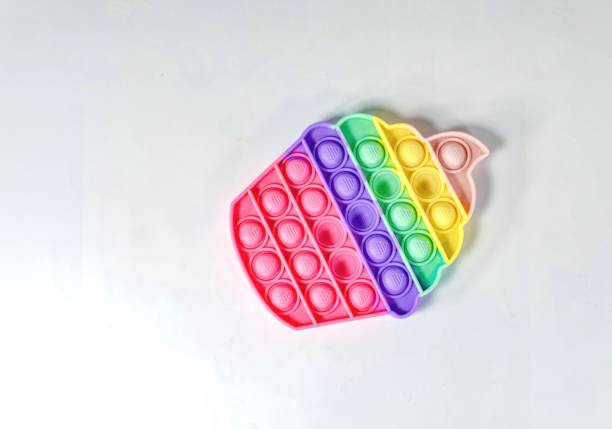
When your mind is racing, your hands often want to do something. They tap. They pick at your sleeve. They open and close. That is normal. Your body is looking for an outlet. A small pocket stone can give your hands a simple job. It is not a magic trick. It is a comfort item you can carry, touch, and use when you feel anxious.
A pocket stone is exactly what it sounds like: a smooth, small stone that fits in your hand or pocket. You can find one outside, buy one at a craft store, or use a smooth shell or small piece of wood. The key is that it feels good to hold. It should be small enough to keep in your pocket without being annoying. It should not be sharp or breakable. Pick something with a texture you like. Some people like a stone that is cool at first and warms up in their hand. Some like a rough edge. Some like a perfectly smooth one. There is no right choice. The right one is the one you will actually use.
Why does this help? When you feel anxious, your attention can get stuck on worries. Your thoughts may spin. Your body may feel tight. Touching a pocket stone gives you something real to notice. You can feel its weight. You can run your thumb over its surface. You can notice if it is cool or warm. You can count the tiny bumps or smooth spots. This does not make your problems vanish. It gives your brain a small break from the worry loop. That break can help you think more clearly and choose what to do next.
A pocket stone also gives your hands something to do besides picking, tapping, or squeezing. Many people fidget when they feel nervous. That is not a bad thing. Fidgeting can help you let out extra energy. The trouble is some fidgeting can hurt your skin, break things, or bother people around you. A stone is quiet. It does not light up. It does not make noise. You can use it in class, on the bus, or at a family dinner without drawing attention. You can keep it in your pocket and touch it when you need a small pause.
Using a pocket stone is simple. Keep it in a pocket or a small pouch. When you notice you feel tense, take it out or hold it in your pocket. Press it gently in your palm. Run your thumb over it. Notice how it feels. Take a slow breath. Do this for a minute or two. You are not trying to force yourself to feel happy. You are giving your hands and your attention a calm place to land. If you are somewhere you cannot take it out, just holding it in your pocket works.
It helps to practice with your stone when you are already calm. That way, your hand and brain learn the habit. You might hold it while you read or watch TV. You might keep it by your bed. The more you use it, the more it can become a signal that says, “I can pause and check in.“ Comfort items work best when they are familiar. A stone you use often can start to feel like a small friend in your pocket.
A pocket stone is not a cure for anxiety. It will not fix every problem. If your worry is big or lasts a long time, talk to a trusted adult, school counselor, or doctor. A comfort item is one small tool. It can sit next to other helpful habits, like sleep, food, movement, and talking to someone you trust.
You do not need to spend much money. You do not need a special brand. You just need a small object that feels good in your hand and is safe to carry. Try a smooth stone, a shell, or a rounded piece of wood. Keep it with you. When your mind gets loud, let your hand find it. Let your thumb do one slow circle. Take one slow breath. Then decide your next small step. That is enough.