The Simple Power of a Daily Walk
Let me tell you why walking works so well. When you are anxious, your body thinks something bad is about to happen. Your heart races, your shoulders tighten, and your breath gets shallow. That is your body’s old alarm system, leftover from when humans had to run from tigers. But most of the time, the tiger is just a scary thought in your head. The alarm is real, but the danger is not. Walking tells your body, “Hey, we are moving, we are okay, we are not in danger.” It gives your muscles a gentle job to do, which burns off that extra nervous energy. Think of it like a pressure valve. That jittery feeling has to go somewhere. Walking gives it a place to go.
Another big reason walking helps is that it gets you out of your head. Anxiety loves to keep you stuck in a loop of worried thoughts. “What if this happens? What if that goes wrong? Did I say the wrong thing yesterday?” A walk interrupts that loop. Your brain has to pay attention to basic stuff like where your feet are stepping, whether a car is coming, or how the wind feels on your skin. That simple focus on the outside world gives your inner chatter a break. You can be thinking about your worries, then you notice a squirrel, and for a second, you just see the squirrel. Those seconds add up. Over twenty or thirty minutes, your brain gets a real vacation from the anxiety spiral.
Walking also changes your breathing. When you walk at a comfortable pace, your breath naturally slows down and deepens. You do not have to think about it like a breathing exercise. It just happens. Your steps set a rhythm, your lungs follow along, and soon you are taking fuller, slower breaths. That deeper breathing sends a signal to your nervous system that everything is fine. It is like telling your body, “You can relax now.” And your body listens.
There is also something about being outside that does extra good for anxiety. Sunlight on your skin helps your body make vitamin D, which research says can improve mood. Looking at trees and grass and sky gives your eyes a rest from screens. And even a little bit of nature, like a park or a quiet street with bushes, can make your brain feel calmer. You do not need a forest or a beach. Just some green and some open air.
The best part about walking is that you can do it anywhere and anytime. If you have a hard time getting started, try this trick: put on your shoes and tell yourself you are just going to walk to the end of the block. That is it. If you want to turn around after that, you can. But most of the time, once you are out there, you will keep going. The hardest step is always the first one. After that, your body wants to move.
You do not need a long walk to get the benefits. Ten minutes can make a real difference. Twenty minutes is even better. And if you can do thirty minutes most days, that is fantastic. But do not let perfect be the enemy of good. A short walk is still a walk. It still helps.
Try walking without your phone sometimes. Pay attention to the sounds around you. Birds, a lawnmower, kids playing, wind in the trees. Pay attention to how the ground feels under your shoes. Hard pavement, soft grass, gravel crunching. Notice the temperature on your skin. This kind of paying attention, without trying to fix anything, is one of the most powerful ways to lower anxiety. You are not solving problems. You are just being here.
Some people worry that walking is not enough exercise. They think you have to run or go to a gym for it to count. That is not true. Walking is perfect for anxiety because it does not raise your heart rate too much. High-intensity exercise can actually make some people more anxious if they are not used to it. Walking keeps you in a gentle zone where your body feels good and your brain can unwind.
So here is your simple plan. Pick a time that works for you. Maybe right after breakfast, or after dinner, or during your lunch break. Put on comfortable shoes. Step outside. Walk for ten minutes without any goal other than to keep moving. If a worried thought comes up, just let it be there. Keep walking. Notice something around you. A flower, a mailbox, a cloud. Keep walking. When you get back, notice how your body feels. A little looser? A little more tired in a good way? That is the anxiety starting to let go.
Walking is not a cure for everything. Some anxiety needs bigger help from a doctor or therapist. But walking is one of the safest, cheapest, and most effective tools you have in your back pocket. It is your body’s way of saying, “I can handle this. I can move through this.” And every step you take is a step away from the worry and a step toward feeling more like yourself.
So lace up your shoes. Go take a walk. You might be surprised how much that simple act can quiet the noise inside your head.
Related Articles
Learn more about Taking Care of Your Body.
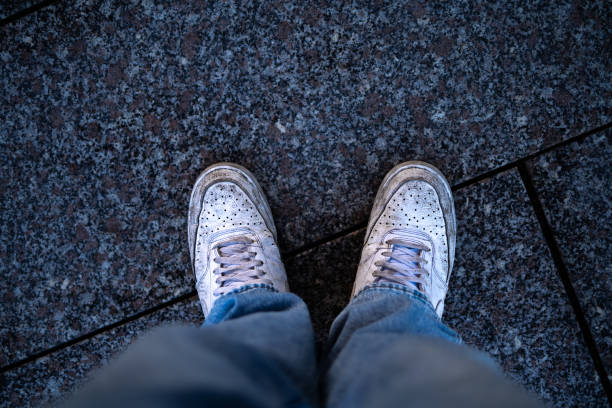
Go for a Walk, Even a Short One
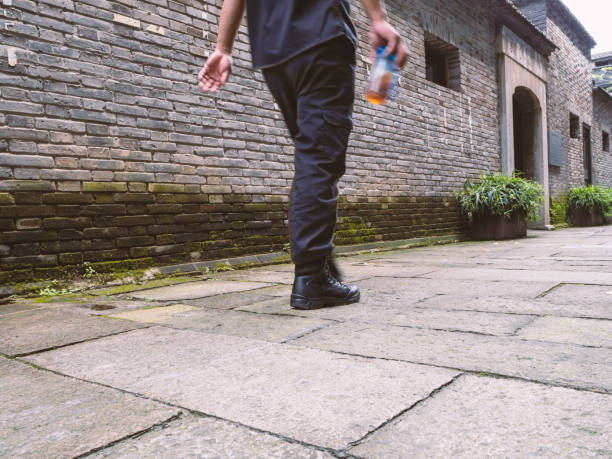
Take a Walk to Calm Your Mind