Loading...
Skip to Content

The Simple Squeeze Trick That Stops Anxiety Fast

You know that feeling when your heart starts racing, your chest gets tight, and your brain just won’t shut up? Anxiety hits like a wave, and it’s easy to feel like you have no control. But here’s the thing: you actually do have a secret weapon built right into your body. It’s called your muscles. And all you have to do is tighten them, hold, and then let go. Sounds too simple, right? But it works. Let me walk you through one tiny exercise that can flip the switch on anxiety in less than a minute.

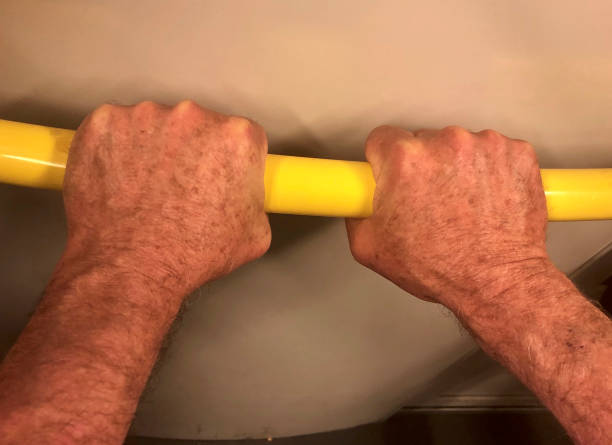
Start with your hands. Make a fist as hard as you can. Squeeze every finger tight. Feel the tension build in your palm, your knuckles, all the way up your forearm. Hold that squeeze for about five seconds. It might even feel a little uncomfortable, like you’re trying to crush a rock. Now, in one quick move, let go completely. Let your fingers fall open. Notice that rush of release? That’s your body saying, “Ah, finally.” That feeling of relief is exactly what your anxious brain needs to hear.

Why does this work? Because your body and mind are connected in a way you probably don’t think about. When you’re anxious, your muscles naturally tense up—your shoulders creep up toward your ears, your jaw clenches, your fists ball up. It’s your body’s way of getting ready to fight or run, even though there’s no real danger. The problem is, once that tension is there, your brain sees the tension and thinks, “Something must be wrong!” So the anxiety stays. But when you deliberately tighten a muscle even more, then let it go, you send your brain a clear signal: “It’s okay now. We’re safe. We’re relaxing.”

You can do this with any muscle group, but try your shoulders next. Sit up straight and lift both shoulders up toward your ears as high as you can. Scrunch them tight, like you’re trying to hide your neck. Hold that for five seconds. Feel the strain across your upper back and neck? Now drop them all at once. Let them fall heavy. Roll them back if it feels good. That sudden drop from tight to loose is like hitting a reset button for your whole nervous system.

The best part is you can do this anywhere. At your desk, in the car (when you’re parked), before a test, or even lying in bed at night when your mind won’t shut up. It doesn’t require special equipment, a quiet room, or any fancy words. You don’t have to chant or visualize a peaceful beach. You just tighten, hold, and release. That’s it.

If you want to go deeper, try a whole body scan. Start with your feet—curl your toes tight, hold, release. Then move to your calves, squeeze your leg muscles, hold, release. Keep going up through your thighs, stomach, fists, shoulders, jaw, and even your face. Scrunch your whole face tight like you just bit into a sour lemon, then let it all go slack. By the time you reach your forehead, your whole body will feel like a wet noodle. That’s the goal.

One thing to keep in mind: don’t push too hard. If you have any injuries or pain, skip that muscle or just tighten gently. The goal isn’t to hurt yourself. It’s to create a contrast between tension and release so your brain can learn the difference. Over time, your body will start recognizing that relaxed feeling faster, and you’ll get better at slipping into it when anxiety tries to take over.

So next time you feel that familiar knot in your stomach or your hands start to shake, remember this trick. Take a breath. Squeeze something—your hands, your shoulders, your whole body if you want. Hold it for five seconds. Then let it all go. You might be surprised at how much lighter you feel. It’s a small move, but it’s a powerful one. You don’t have to wait for anxiety to pass. You can help it let go, one muscle at a time.

Related Articles

Learn more about Tools for When You Feel Anxious.
Why Walking Outside Helps When You Feel Anxious

You know that awful feeling when your brain won’t shut up?
Learn More

How Tightening Your Muscles Can Help You Let Go of Anxiety

When you feel anxious, your body gets all bunched up.
Learn More

Tools for When You Feel Anxious

That feeling of anxiety can be a real bully.
Learn More

Quick Tips

Why does squeezing my muscles help me feel less anxious?

When you feel anxious, your whole body can get tense without you even noticing. By purposely squeezing a muscle group and then letting it go, you are showing your body the direct difference between feeling tight and feeling loose. This physical action sends a clear signal to your brain that it’s safe to relax. It’s like you’re giving your body a direct command to switch from “tense and worried” to “calm and soft.“ It’s a simple trick that forces your body to pay attention to the feeling of letting go.

Can I do this if I’m feeling anxious at school or work?

Absolutely! You can do a quick, mini-version of this anywhere without anyone noticing. Instead of your whole body, just focus on one muscle group, like your feet, legs, or stomach. While sitting at your desk, you can curl your toes tightly inside your shoes for a few seconds and then release. Or, gently clench your stomach muscles and let them go. These small actions can help you find a moment of calm and reset your feelings without having to stop what you are doing.

How long does it take for this to start working?

You can start feeling a little better after just one session, which might only take about 5 to 10 minutes. The real magic happens when you make it a regular habit, just like brushing your teeth. Doing this simple exercise a few times a week teaches your body how to find that relaxed feeling more easily. The more you practice, the quicker your body will learn to let go of tension when you notice you’re starting to feel anxious during your day.

Which part of my body should I start with?

It’s best to start at one end of your body and work your way to the other so you don’t miss any spots. A great place to begin is with your hands and arms. Clench your fists tightly for a few seconds, then release and feel them become soft. Next, move to your shoulders by shrugging them up toward your ears, then let them drop down. This method helps you slowly relax your entire body piece by piece, making sure you release tension from your head all the way down to your toes.

What’s the right way to tense my muscles without hurting myself?

The key is to squeeze firmly, but never to the point of pain or a cramp. You are looking for a feeling of strong tension, not discomfort. For example, when you clench your fist, make a tight fist but don’t squeeze so hard that your hand shakes or hurts. Hold the squeeze for about 5 seconds—just long enough to really notice the tension—and then release completely. This isn’t a strength contest; it’s about noticing the difference between tight and loose feelings in your body.