Loading...
Skip to Content

The Starting Point of Self-Care: Where Your Wellness Journey Begins

The question of where to begin caring for oneself—“Which part of my body should I start with?“—is deceptively simple, yet it holds the key to unlocking a sustainable path to holistic wellness. In a world saturated with targeted fitness routines and specialized skincare regimens, the sheer volume of options can paralyze rather than motivate. The answer, however, is not found in a specific limb or organ, but in the quiet, central command center that orchestrates every breath, thought, and feeling: your mind. Beginning your journey of bodily care with the cultivation of mental awareness is the most profound and effective starting point, for it is from this internal foundation that all lasting external change flourishes.

To start with the body without first consulting the mind is to build a house on shifting sand. Consider the intention behind the question. Are you seeking relief from physical discomfort, a deeper sense of connection, improved appearance, or enhanced capability? The mind holds these answers. Without mindful reflection, a fitness regimen born from self-criticism will falter, and a dietary shift propelled by guilt will reverse. By turning your initial focus inward, you cultivate the self-awareness necessary to listen to your body’s true signals—distinguishing between the need for restorative sleep and the urge for a punishing workout, or between genuine hunger and emotional craving. This practice of interoception, or sensing the internal state of the body, transforms care from a choreographic routine imposed from the outside into a responsive dialogue guided from within.

This mental starting point is not an abstract exercise; it is a practical gateway. A few minutes of focused breathing or mindful meditation at the start of your day does more than calm your thoughts. It physically lowers cortisol levels, regulates your heart rate, and brings your nervous system into a state from which positive action can flow. From this anchored place, you can then ask a more informed question: “What does my body need today?“ Perhaps the awareness you cultivate reveals a stiffness in your shoulders, holding the tension of yesterday’s stress. Your starting point then naturally becomes gentle neck rolls and stretches. It may reveal a foggy fatigue, pointing you toward hydration and a nutrient-rich meal, making your digestive system the day’s primary focus. The mind, once tuned, directs attention to the area of the body most pleading for care, creating a dynamic and responsive practice rather than a rigid, one-size-fits-all checklist.

Ultimately, beginning with the mind reframes the entire concept of bodily care from a series of segmented tasks into an integrated practice of self-respect. When you start by honoring your mental space, you approach your physical form not as a collection of parts to be corrected, but as a whole, worthy entity to be nurtured. The patience you practice in meditation translates to patience in holding a challenging yoga pose. The compassion you foster for wandering thoughts extends to compassion for an ankle that needs rest instead of a run. This foundational shift ensures that the care you provide is consistent and kind, because it is rooted in a deeper understanding of your own humanity.

Therefore, when wondering where to begin, pause and turn the spotlight of your attention inward. Sit with your breath, observe your thoughts without judgment, and listen to the subtle whispers of your physical being. Let that cultivated awareness be the compass that guides your hand. Whether it then moves to prepare a wholesome meal for your gut, to apply moisturizer to your skin with gratitude, or to take your feet for a walk in fresh air, every action will be imbued with intention. The journey to caring for your body does not start at the tips of your toes or the crown of your head; it starts in the quiet center of your being, from which all true and lasting wellness radiates outward.

Related Articles

Learn more about Tools for When You Feel Anxious.

Tools for When You Feel Anxious

That feeling of anxiety can be a real bully.
Learn More

What to Do When You’re Stuck on a Seemingly Small Step

We often envision our biggest challenges as towering mountains, the grand objectives that demand our utmost effort and focus.
Learn More

How Daily Routines Create Calm and Reduce Anxiety

In the swirling uncertainty of modern life, where change is constant and demands feel infinite, many find an unexpected anchor in the predictable rhythm of a daily routine.
Learn More

Quick Tips

What’s the right way to tense my muscles without hurting myself?

The key is to squeeze firmly, but never to the point of pain or a cramp. You are looking for a feeling of strong tension, not discomfort. For example, when you clench your fist, make a tight fist but don’t squeeze so hard that your hand shakes or hurts. Hold the squeeze for about 5 seconds—just long enough to really notice the tension—and then release completely. This isn’t a strength contest; it’s about noticing the difference between tight and loose feelings in your body.

How long does it take for this to start working?

You can start feeling a little better after just one session, which might only take about 5 to 10 minutes. The real magic happens when you make it a regular habit, just like brushing your teeth. Doing this simple exercise a few times a week teaches your body how to find that relaxed feeling more easily. The more you practice, the quicker your body will learn to let go of tension when you notice you’re starting to feel anxious during your day.

Can I do this if I’m feeling anxious at school or work?

Absolutely! You can do a quick, mini-version of this anywhere without anyone noticing. Instead of your whole body, just focus on one muscle group, like your feet, legs, or stomach. While sitting at your desk, you can curl your toes tightly inside your shoes for a few seconds and then release. Or, gently clench your stomach muscles and let them go. These small actions can help you find a moment of calm and reset your feelings without having to stop what you are doing.

Why does squeezing my muscles help me feel less anxious?

When you feel anxious, your whole body can get tense without you even noticing. By purposely squeezing a muscle group and then letting it go, you are showing your body the direct difference between feeling tight and feeling loose. This physical action sends a clear signal to your brain that it’s safe to relax. It’s like you’re giving your body a direct command to switch from “tense and worried” to “calm and soft.“ It’s a simple trick that forces your body to pay attention to the feeling of letting go.

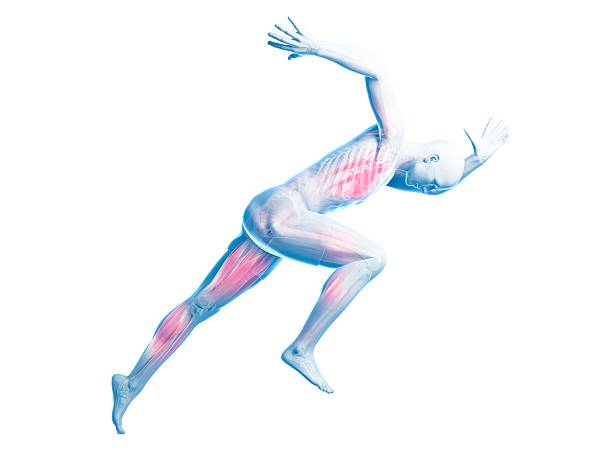
Which part of my body should I start with?

It’s best to start at one end of your body and work your way to the other so you don’t miss any spots. A great place to begin is with your hands and arms. Clench your fists tightly for a few seconds, then release and feel them become soft. Next, move to your shoulders by shrugging them up toward your ears, then let them drop down. This method helps you slowly relax your entire body piece by piece, making sure you release tension from your head all the way down to your toes.