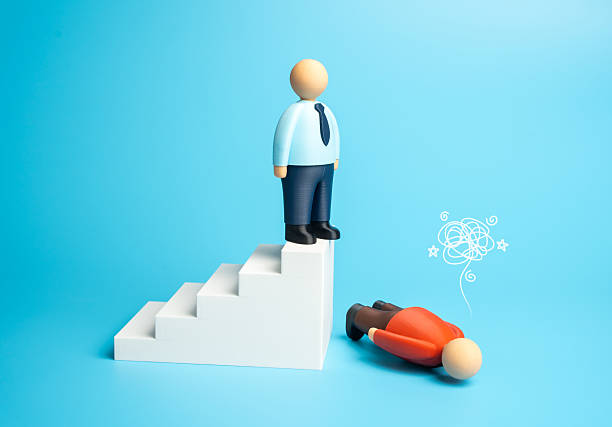
The Three-Things List: A Simple Way to Tame Anxiety
Write down three things you want to get done today. That is it. Not ten things. Not a whole schedule. Just three. One of them should be something you know you can finish in under ten minutes. Maybe that is making your bed, sending one email, or washing the breakfast dishes. The other two can be bigger, like finishing a work project or cleaning out the closet. But still only three total.
Why does this help with anxiety? Because anxiety loves a blank page. When your day has no shape, your brain starts guessing what could go wrong. It makes up problems that do not even exist yet. But when you have three clear things, your brain can relax. It knows what to do next. It does not have to keep scanning for threats or deciding what is important. The decision is already made.
Here is the secret that most people miss. When you finish that first quick thing, you get a small win. That win sends a signal to your brain that says, “Hey, we are doing okay today.“ That feeling does not fix everything, but it is a real shift. You stop feeling like you are drowning and start feeling like you are walking. Even if the walk is slow, at least you know where you are going.
A lot of us with anxiety try to do too much at once. We think, “If I just get everything done, I will feel better.“ But that is backwards. The more pressure you put on yourself, the more your anxiety cranks up. Then you freeze. And then you feel guilty for freezing, which makes the anxiety worse. The three-things list breaks that loop. It says, “You only need to do three things. The rest can wait. Or it can not get done. That is fine.“
Some people worry that they will pick the wrong three things. What if they pick something small and waste the whole day? That is a normal fear. But here is the truth. Any three things are better than no things. If you pick three small tasks and finish them, you still had a day where you did three things. That is three more than you would have done if you stayed stuck in worry. And often, once you start moving, you naturally want to do a fourth or fifth thing. The list is just a starting point, not a cage.
You can also use this list to plan your day around how you feel. If you know mornings are rough for you, put the quick task first. Something so easy you can do it half asleep. That gets you going. Then put your hardest task right after, when you still have some energy. Then save something medium for later. You are not trying to be perfect. You are just giving your day a skeleton so your anxiety does not fill the gaps with worst-case scenarios.
Another good move is to check in with yourself at lunch or in the afternoon. Look at your list. If you did one thing, that is progress. If you did zero, that is okay too. Do not scold yourself. Just ask, “Do I still want to do any of these?“ Maybe you cross one off and add a different one. The list is yours. You are not in trouble.
Over time, this habit teaches your brain that you can handle your day. You do not need to be afraid of what is coming. You have a plan. It is a small plan. But small plans are powerful because they actually happen. Big plans that cover everything usually fall apart. Then anxiety swoops in and says, “See? You cannot do this.“
So tomorrow morning, before you check your phone or start worrying about the week ahead, grab something to write on. Write three things. Make the first one ridiculously easy. Then do that one first. See if your day feels a little lighter. See if your brain gets a little quieter. It will not fix everything. But it is a tool you can use over and over, any day you need it. And that is the whole point of having tools.
Related Articles
Learn more about Tools for When You Feel Anxious.
Balancing Connectivity and Focus: When Your Phone Is Essential for Work or School
Squeeze and Let Go: How Your Hands Can Help You Relax