
Skip to Content

Walking, Swimming and Low-Impact Fitness

A Ten-Minute Walk After Dinner Can Help You Feel Less Wound Up

A Ten-Minute Walk After Dinner Can Help You Feel Less Wound Up

You don’t need a gym, special shoes, or a big block of free time to feel better.

How a Simple Shoulder and Neck Rub Can Help You Feel Calmer

How a Simple Shoulder and Neck Rub Can Help You Feel Calmer

When you feel worried, your shoulders often creep up toward your ears.

How a Daily Walk Can Ease Anxious Feelings in Older Adults

How a Daily Walk Can Ease Anxious Feelings in Older Adults

A daily walk is one of the simplest ways to help your body handle worry.
How to Use Scent to Build a Calmer Evening Routine

How to Use Scent to Build a Calmer Evening Routine

Your nose is a fast shortcut to how a room feels.

Why a Blood Sugar Dip Can Make You Feel Anxious

Why a Blood Sugar Dip Can Make You Feel Anxious

You know that shaky, wired feeling that comes out of nowhere.

Why Low Blood Sugar Can Make You Feel Anxious

Why Low Blood Sugar Can Make You Feel Anxious

You know that shaky, worried feeling that comes out of nowhere? Maybe your heart starts pounding, your hands feel weird, and your thoughts jump around.
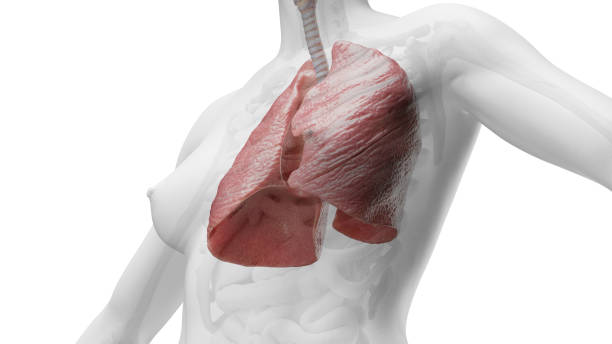
A Short Walk Can Help You Worry Less

A Short Walk Can Help You Worry Less

When you feel worried or wound up, it can be tempting to sit still and think your way out of it.

The Ten-Minute Walk That Helps You Feel Less Wound Up

The Ten-Minute Walk That Helps You Feel Less Wound Up

When your body feels jumpy and your thoughts won’t sit still, the last thing you may want to do is move.

A Short Massage Can Be a Simple Way to Lower Anxiety

A Short Massage Can Be a Simple Way to Lower Anxiety

A short massage can be one of the easiest ways to help your body shift out of high-alert mode.
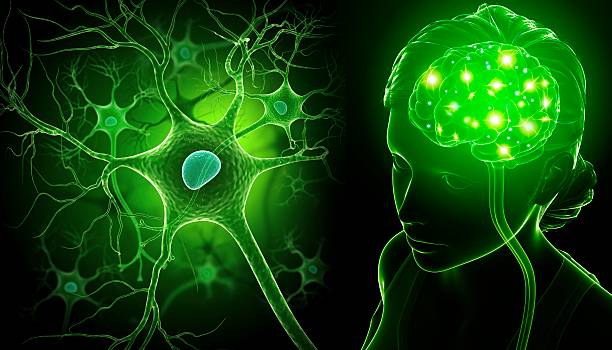
How to Get Through a Bad Day When Pain and Worry Team Up

How to Get Through a Bad Day When Pain and Worry Team Up

When pain or illness sticks around, worry likes to move in too.
A Steady Wake-Up Time Is a Simple Way to Feel Less Wound Up

A Steady Wake-Up Time Is a Simple Way to Feel Less Wound Up

You know that feeling when your alarm goes off and your whole body says no.

Quick Tips

How is this different from talking to my friends or family?

Your friends and family love you, but they might not always understand what anxiety truly feels like. In a group, everyone has been in your shoes. You won’t hear things like, “Just don’t think about it,“ or “You’re overreacting.“ Instead, you’ll hear, “I’ve felt that way too,“ and that makes all the difference. It’s a special space where you can be completely honest about your struggles without worrying about burdening someone or being misunderstood.

What should I do with the extra time I get from a break?

Fill that time with something that feels good and calm for you. This could be listening to your favorite music, going for a walk, reading a book for fun, or doing a hobby like drawing. You could also use the time to talk to a friend or family member in person or on the phone about something other than the news. The goal is to do something that helps you feel relaxed and more like yourself again.

How can I make my body’s alarm system less sensitive over time?

You can make your alarm less jumpy by practicing simple calming activities every single day, not just when you feel panicked. This is like giving your alarm system regular maintenance. Try spending five minutes a day sitting quietly and focusing only on your breathing. You could also go for a walk outside and pay close attention to what you see and hear. Regular exercise, like playing a sport or dancing, is also great because it uses up all that extra energy your alarm system creates, helping it to stay calmer overall.

Can skipping meals make my anxiety worse?

Yes, absolutely. When you skip a meal, your blood sugar drops. This can trigger your body’s “fight or flight” response, making you feel jittery, irritable, and on edge. It’s a physical feeling that can easily be mistaken for or worsen anxiety. Eating regular meals and snacks acts like putting steady logs on a fire, keeping a constant, calm energy burning and preventing those panic-inducing dips in fuel that your body reacts to so strongly.

What’s the difference between “good” fats and “bad” fats for my brain?

Good fats are the helpers, and bad fats are the troublemakers. The helpers—like those in fish, nuts, and avocados—are flexible and help your brain cells communicate easily. The troublemakers are often found in processed foods, fried foods, and packaged snacks. These fats are stiff and can gum up the works, making it harder for your brain to function properly and potentially increasing feelings of worry. Stick with the natural, whole-food sources to keep your brain happy.