Your stomach twists. You feel a little sick. Maybe you can’t eat, or maybe you want to eat everything. Your belly feels full of bees. You check your phone again. Nothing is wrong, but your body acts like something is. That is one way anxiety can show up. It doesn’t always look like worry in your head. Sometimes it feels like a stomachache.
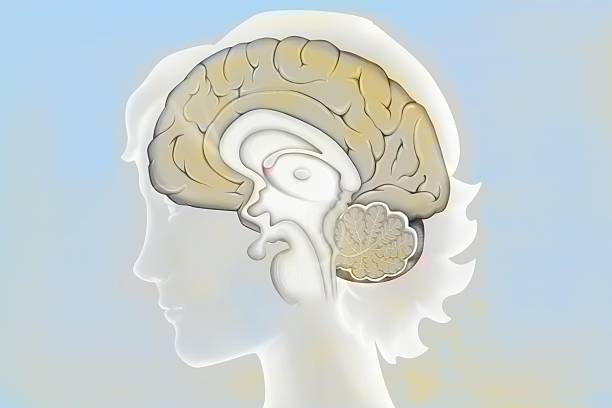
This can be confusing. You might think you ate something bad. But if it keeps happening before school, before a game, before a test, or before you have to talk to someone, your feelings may be landing in your stomach. Your body and your feelings talk to each other. When you are stressed, your body can slow down digestion or speed it up. That can mean cramps, gas, nausea, or that heavy rock feeling. It is real. You are not making it up.
The tricky part is that a stomachache can make you more anxious. You feel sick, so you worry about being sick. You worry about needing a bathroom. You worry about someone noticing. The worry and the belly ache feed each other. Soon you are not just uncomfortable. You are scared of being uncomfortable. That is a lot to carry.
So what do you do? Start by naming it. Say to yourself, “My anxiety is showing up in my stomach.“ That sounds simple, but it helps. You are not ignoring the feeling. You are not calling yourself dramatic. You are telling the truth. When you name it, you give yourself a little space. You can ask, “Is my stomach upset because of danger, or because of worry?“ Most of the time, it is worry.
Next, slow down your breathing. Do not take giant gulps of air. Breathe in through your nose like you are smelling soup. Breathe out through your mouth like you are cooling it. Make the out breath a little longer than the in breath. Do this a few times. You are telling your body that you are safe right now. A slow breath can calm a fast stomach.
Then get your body moving a little. You do not need a huge workout. Stand up. Walk to the window. Stretch your arms over your head. Roll your shoulders. Shake out your hands. Walk around the block if you can. Movement helps your body use up the extra energy that anxiety made. It also gives your brain something else to pay attention to. Movement can turn the volume down.
You can also write down what you feel. Keep it short. Write, “My stomach hurts. I am worried about the math test. I am scared I will fail.“ Then write, “I can study one page. I can ask for help. I can take a break.“ You are not solving everything. You are moving the worry onto paper. That can make it feel smaller.
And tell someone. You do not have to say, “I have anxiety.“ You can say, “My stomach feels bad when I get worried. Can you sit with me for a minute?“ People cannot help with what they cannot see. Saying it out loud can lower the pressure.
Finally, pay attention to patterns. Does your stomach hurt every Sunday night? Before every practice? When you have to speak in class? Write down when it happens. You are not looking for a perfect answer. You are looking for clues. Clues help you plan. If Sunday nights are hard, maybe you pack your bag earlier or talk to a parent about the week. If mornings are hard, maybe you eat something small, like toast or a banana. If your stomach is often upset, check with a doctor to rule out other causes. That is smart, not weak.
Your anxiety does not have to be a secret. It can show up in your stomach, your shoulders, your jaw, or your thoughts. When you know how it shows up, you can stop guessing. You can take one small step. You can be kind to yourself. You can remind yourself that a feeling is not a fact. Your stomach may still twist for a while. But you are not stuck. You have tools. You can use them.