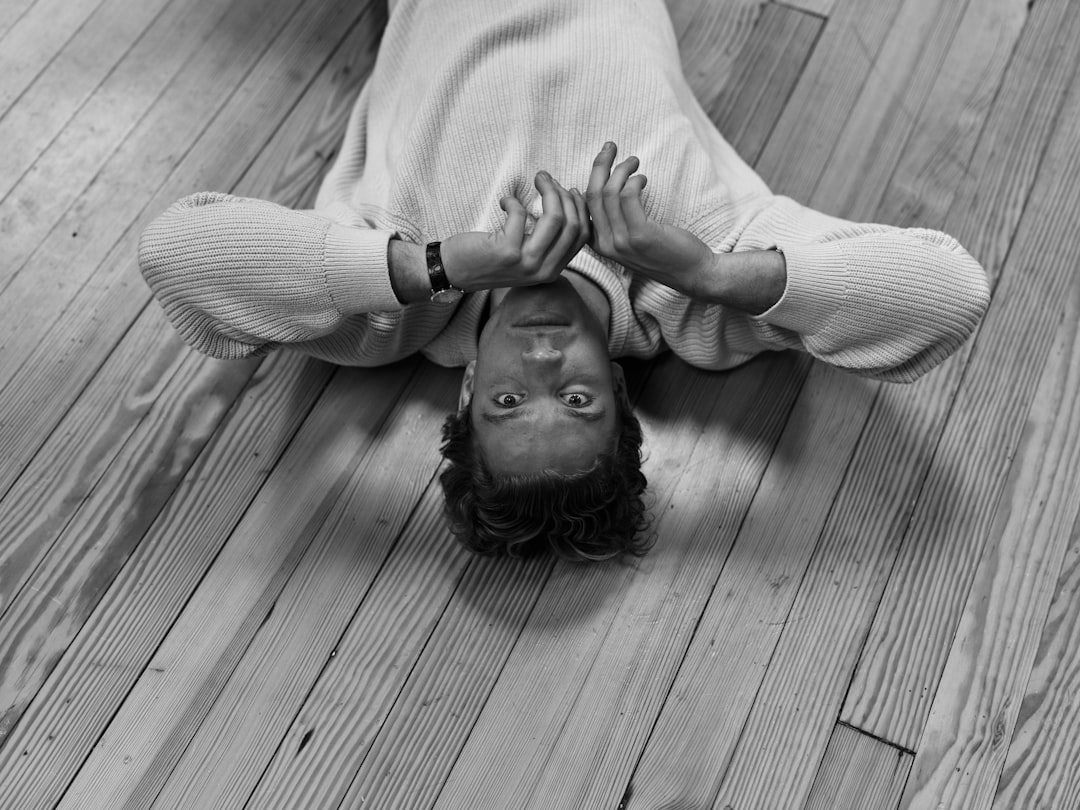
Your heart is pounding. Your hands are shaking. Your chest feels tight, and your thoughts are racing so fast you can’t catch one. Maybe you’re at school, on the bus, or in your room at night. It feels like something is very wrong. That feeling is scary, and it can make you want to run, yell, or hide. But in that moment, you need a simple plan. This is about what to do when anxiety feels like an emergency.
First, check for real danger. Anxiety can make your body feel like you’re in trouble when you’re not, but sometimes you are in trouble. If you have chest pain or pressure, if you can’t breathe, if you faint, if your lips or face turn blue, or if you feel confused and can’t stay awake, call emergency services right now. If you are not sure, call anyway. It is always okay to ask for help. You do not have to decide whether it’s “just anxiety” before you call. That is too much to put on yourself. If you feel like you might hurt yourself or someone else, get help right away. Tell a trusted adult or call emergency services. This is not a small thing, and you should not wait.
If you are safe and the scary body feelings are from anxiety, start by slowing things down. Do not try to solve every problem in your head. Your brain is moving too fast for that. Instead, plant your feet on the floor. Feel the ground under your shoes. Look around and name five things you can see. Listen for three sounds. Touch something near you and notice if it is cold, warm, soft, or rough. This is not magic. It is just a way to give your brain something real to focus on. It helps pull you out of the swirl.
Next, change your breathing in a simple way. Breathe in through your nose for a slow count of four. Breathe out through your mouth for a slow count of six. Do that a few times. Don’t force it or breathe so fast that you feel dizzy. The goal is not to be perfect. The goal is to tell your body, “We are not running right now.“ If counting makes you more anxious, just make your exhale a little longer than your inhale. That’s enough.
Then, get your body cooler or calmer. Splash cool water on your face. Hold something cold. Sit down and put your back against a wall. Loosen tight clothing. If you can, step outside or move to a quieter spot. Sometimes anxiety gets louder when you’re hot, crowded, or trapped. A small change in your space can help.
Tell someone. Say, “I’m having a really hard time right now. Can you stay with me for a few minutes?“ You don’t need a long speech. You don’t need to explain everything. Having another person nearby can make the feeling less huge. If you’re alone, call someone you trust. Keep it simple. “My heart is racing and I’m scared. Can you talk to me?“
After the wave passes, write down what happened. What was going on before? Were you tired, hungry, or stressed? Did you drink too much coffee or energy drink? Did you skip lunch? These things can make anxiety feel stronger. You are not looking for a perfect answer. You are looking for clues. Clues help you make a plan for next time.
Make a small safety plan for the next time it happens. Put a note in your phone with three people you can call, one place you can go, and one thing you can do with your body, like walking or stretching. Keep it short. When your heart is racing, you won’t want to read a long list. You will want one clear step.
Finally, remember this: a scary feeling is not a sign that you are broken. It is a sign that your body’s alarm got too loud. Your job is not to fight the alarm with all your strength. Your job is to check for danger, get help if you need it, and bring yourself back to the present. If this keeps happening, tell a trusted adult or doctor. You don’t have to handle it alone.