Why That Drink Might Be Making Your Anxiety Worse
Alcohol is a tricky beast. It’s a depressant, which is a fancy way of saying it slows down your brain and nervous system. That’s why you feel relaxed at first. But your body doesn’t like being slowed down too much. So as the alcohol wears off, your brain fights back. It speeds up to make up for the slowdown. That rebound effect can leave you feeling jittery, restless, and way more anxious than before you drank. This is sometimes called “hangxiety” – a hangover mixed with anxiety. Even if you don’t have a full hangover, the next day your heart might race, your thoughts might spiral, and you might feel jumpy for no obvious reason. That’s your brain trying to get back to normal after you messed with its chemistry.
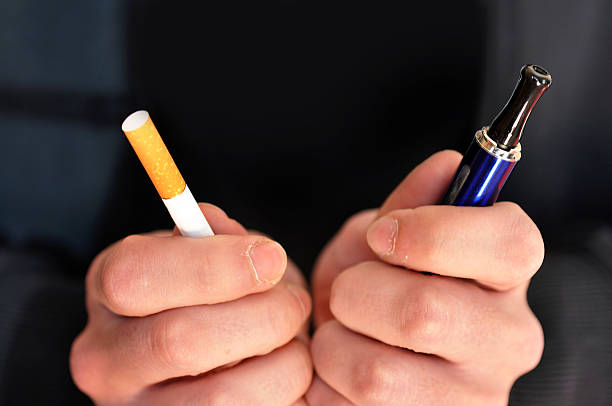
Smoking and vaping work differently, but the result is similar. Nicotine is a stimulant, which means it speeds things up. You might think it relaxes you because you take a deep breath and pause for a moment. But nicotine actually raises your heart rate and blood pressure. It tricks your brain into releasing a little burst of feel-good chemicals, but that burst fades fast. Then you need another hit to get that feeling back. Over time, your brain gets used to the nicotine, so you need more and more just to feel normal. When you don’t have it, you feel irritable, restless, and anxious. That withdrawal anxiety can be strong enough to make you reach for your vape or cigarette again, creating a loop that keeps you stuck.
The problem with using alcohol or nicotine to manage anxiety is that they are short-term fixes that make the long-term problem worse. Think of it like borrowing money from a loan shark. You get cash now, but the interest piles up and you end up deeper in debt. Every time you drink or vape to lower your anxiety, you are borrowing calm from tomorrow. And tomorrow, you owe more anxiety back.
For example, someone who has a few drinks every night to unwind might find that after a while, they need more drinks to get the same effect. Their baseline anxiety level creeps up, so they feel on edge unless they have alcohol in their system. That’s a dangerous place to be. Cutting back might feel hard at first because your brain has gotten used to relying on that crutch. But after a few days without it, many people notice their anxiety is actually lower than it was when they were drinking. The fog lifts. Their sleep improves. Their mood becomes steadier.
The same goes for nicotine. When you stop vaping or smoking, the first few days are rough. You might feel super anxious, angry, or sad. That’s withdrawal, not your true self. If you can push through that week or two, your brain slowly rebalances. Your heart rate drops. Your breathing becomes easier. And your anxiety levels – the real, everyday anxiety that you were covering up with nicotine – can actually start to go down. It’s not magic. It’s just your body finally getting a chance to work the way it’s supposed to.
So what can you do instead of reaching for a drink or a vape when you feel anxious? Small things matter. Take ten slow, deep breaths. Go for a short walk. Call a friend. Drink a glass of cold water. Splash your face. Do a quick stretch. None of these feel as instantly satisfying as that first sip or hit, I know. But they don’t make you pay for it later. They actually help your body calm down naturally. Over time, you build trust with yourself that you can handle stress without a chemical helper. That’s a powerful feeling.
Cutting down doesn’t mean you have to quit completely overnight. It can mean having one drink instead of three, or skipping the vape for a day and seeing how you feel. Pay attention to how your body reacts. Notice if your anxiety is better or worse the day after. Write it down if you need to. The more you see the connection, the easier it is to choose something that actually helps you in the long run.
You deserve to feel calm without making a deal with your future self. Your body is smarter than you think. Give it a chance to do its job without alcohol or nicotine messing with the controls. You might be surprised at how much calmer you become.
Related Articles
Learn more about Taking Care of Your Body.

The Simple Power of a Consistent Bedtime
How a Daily Walk Can Quiet Your Worried Thoughts