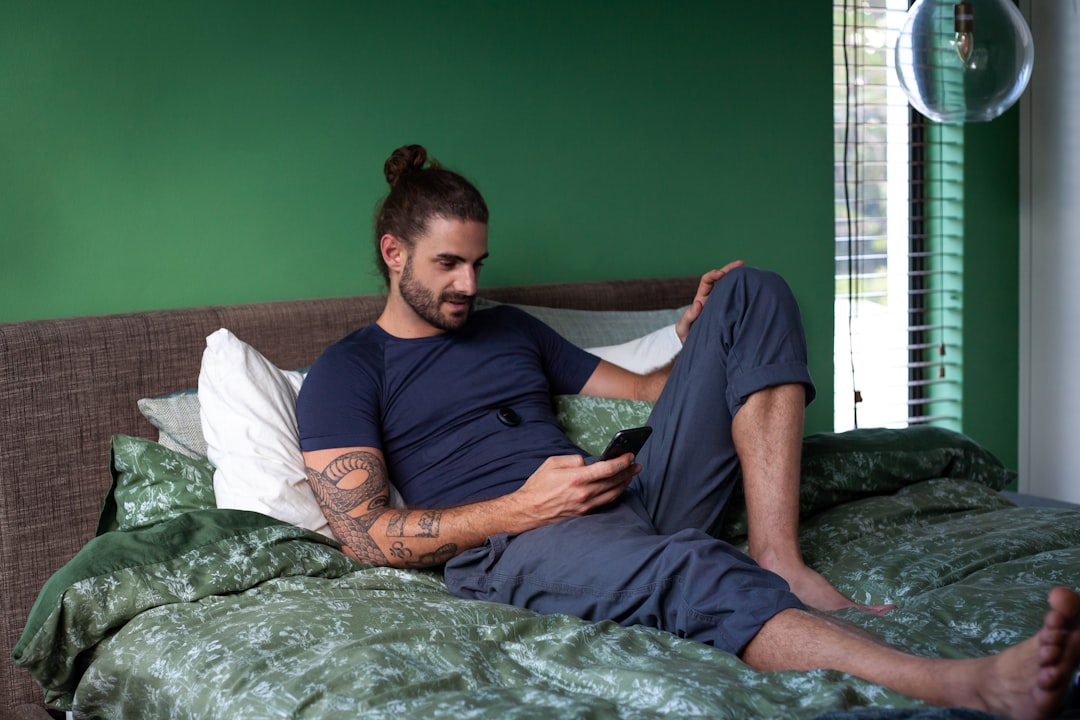
Why Your Brain Needs a Quiet Hour Before Bed
There’s a simple reason for that. Your brain doesn’t have an off switch. It needs to slow down on purpose. And the best way to help it slow down is to give it a quiet hour before you actually try to sleep. This isn’t some fancy wellness thing. It’s just common sense. If you’ve been staring at a bright phone screen, watching a tense show, or scrolling through social media right up until you hit the pillow, your brain is still in high gear. It’s like trying to park a race car by slamming on the brakes at the last second. It doesn’t work very well.
So what does a quiet hour look like? It’s basically doing boring stuff. And boring is good for sleep. Think about activities that don’t get your heart pumping or your mind racing. Reading a real book (not on a phone or tablet) is a great option. The physical act of turning pages and following a story at a slow pace helps your brain shift gears. Another idea is writing in a notebook. You don’t have to be a writer. Just jot down what you’re thinking about. Getting those worries out of your head and onto paper can make them feel less huge. It’s like giving your brain a little storage container for the night.
Listening to calm, quiet music without words is also helpful. Instrumental stuff, like classical or soft ambient sounds, gives your brain something gentle to focus on instead of spinning thoughts. The key is to avoid anything that gets you excited or angry. No loud video games, no argumentative YouTube videos, no fast-paced TikTok scrolling. Those things are designed to keep you hooked, not to help you unwind.
Some people think they need to be doing something productive every second. But giving yourself permission to be unproductive for one hour before bed is actually one of the most productive things you can do for your anxiety. When you sleep better, you wake up with a clearer head. You handle stress better. You’re less likely to snap at people or feel overwhelmed. So that quiet hour is an investment in tomorrow’s calmness.
Another simple thing you can do during that hour is lower the lights. Bright lights, especially the blue light from screens, tell your brain that it’s still daytime. This messes with your internal clock. So when you start your quiet hour, dim the lights in your room. Maybe use a small lamp instead of the overhead light. Your brain will start getting the hint that bedtime is coming. It releases a chemical called melatonin naturally when it gets dark. That chemical is what helps you feel sleepy. If you keep bright lights on, you block that process.
You might also try a few gentle stretches or just lying on your bed and breathing slowly. Nothing fancy. Just inhale for four counts, hold for two, exhale for four. Do that for a minute or two. It’s not a breathing exercise from a yoga class. It’s just a way to tell your body, “Hey, we’re done running around now. Time to rest.”
The hardest part is actually starting this habit. The first few nights, you might feel bored or restless. That’s okay. Stick with it. After a week or so, your brain will start to expect this wind-down time. It will actually get easier to feel sleepy at the right time. And when you sleep better, your anxiety levels will drop naturally. You won’t need to try so hard to relax. Your body will just do it.
Remember, you don’t have to be perfect. Some nights you’ll mess up and scroll in bed till midnight. That’s fine. Just try again tomorrow. What matters is that you give your brain that quiet hour more often than not. It’s one of the strongest tools you have to lower anxiety without any special tricks or expensive gadgets. Just you, a boring book, a dim light, and a little bit of patience.
Related Articles
Learn more about Taking Care of Your Body.

How Eating on a Schedule Lowers Your Anxiety
The Science of Sighs: How Conscious Breathing Tames Overwhelm