Loading...
Skip to Content

Avocados: The Calm Green Fruit

You know that feeling when you’re so stressed that your brain feels like it’s buzzing? Like you can’t think straight, and everything is just too much? Turns out, what you eat can really help with that. And one of the best foods for calming your brain down is something you might already have in your kitchen: the avocado. Yes, that weird green fruit that costs a little extra at the store. It’s not just good on toast. It’s like a little gift for your brain.

Here’s the deal. Your brain is mostly made of fat. Really. About sixty percent of your brain is fat, and that fat helps your brain cells talk to each other. When you don’t eat enough healthy fats, your brain can’t do its job as well. You might feel foggy, cranky, or just off. And when your brain is struggling, anxiety can get louder. So feeding your brain the right kind of fat is a super simple way to help yourself feel more steady.

Avocados are packed with a type of healthy fat called monounsaturated fat. But let’s not get too science-y. Just know this: that fat is the good kind. It helps your brain build strong cell walls. Think of your brain cells like little mailboxes. If the mailboxes are flimsy and broken, letters get lost. But if the mailboxes are strong and sturdy, messages get delivered perfectly. Healthy fats from avocados keep your brain’s mailboxes in top shape. That means better mood, clearer thinking, and less of that panicky feeling.

But avocados don’t stop there. They also have a bunch of other stuff that helps your brain stay chill. For one, they’re full of magnesium. Magnesium is like a natural relaxer for your body. It helps calm your nerves and can even help you sleep better. When you’re low on magnesium, your body stays tense and your mind races. Eating an avocado gives you a good chunk of that calming mineral. Plus, avocados have potassium, which helps keep your heart steady and your blood pressure normal. When your body feels calm, your mind follows.

Another cool thing about avocados is that they help your body absorb other good nutrients. If you eat a salad with avocado, your body can take in more of the vitamins from the veggies. That’s because some vitamins need fat to travel through your body. So putting avocado on your food is like giving your brain a VIP pass to all the other healthy stuff you’re eating. It’s a team player.

Now, you might be wondering, how much avocado do I need to eat? The good news is, you don’t need a whole lot. A quarter or half of an avocado a day is plenty. You can slice it up and put it on a sandwich. You can mash it and spread it on crackers. You can even blend it into a smoothie. I know that sounds weird, but trust me, it makes the smoothie extra creamy and you don’t taste it much. Or just eat it with a spoon and a little salt and pepper. That’s how I like it best.

But here’s the thing. You can’t just eat one avocado and expect all your anxiety to vanish. That’s not how food works. Your brain needs a steady supply of healthy fats over time. So try to make avocados a regular part of your week. Put them in your lunch, add them to your dinner, snack on them in the afternoon. Over a few weeks, you’ll probably notice that you feel a bit more even-keeled. Not so jumpy. Not so worried about every little thing.

Of course, avocados aren’t a magic fix. They won’t solve all your problems. But they’re one simple step you can take to show your brain some love. And sometimes, taking care of your brain is the best way to calm it down. So next time you’re at the store, grab a couple of avocados. They’re green, they’re creamy, and they’re basically a hug for your brain. You deserve that.

Related Articles

Learn more about Food and Mood.
The Ultimate Guide to Brain-Boosting Fats and Where to Find Them

In the quest for cognitive longevity and mental clarity, the conversation invariably turns to nutrition, specifically to the powerful category of brain-healthy fats.
Learn More

Why Your Brain Loves Walnuts

You’ve probably heard people say that eating certain foods can make you feel better.
Learn More

Vitamin B Foods That Help You Feel Calmer and Happier

Some days worry shows up before you even get out of bed.
Learn More

Quick Tips

How can eating fat actually help me feel less anxious?

It all comes down to giving your brain what it needs to build a calm, stable environment. Healthy fats help build strong brain cells and reduce internal “static” or inflammation that can make you feel on edge. When your brain has the right building blocks, it can better regulate the chemicals that influence your mood. It’s like providing the best possible materials so your brain can do its job well, helping you feel more balanced and less rattled by daily stresses.

Why are healthy fats so important for my brain?

Think of your brain as the most powerful engine in your body. Healthy fats are like its premium fuel. Your brain is actually made up of nearly 60% fat, and it needs a steady supply of the right kinds to build its structure and keep all its communication networks running smoothly. When you feed your brain these good fats, you help it manage your mood and thoughts more effectively, which can be a huge help in keeping you feeling calm and steady throughout your day.

Can I just take a supplement instead of changing my diet?

While fish oil supplements can be helpful, they work best as a backup, not the main plan. Your body absorbs nutrients much more effectively from whole foods. Eating a piece of salmon or a handful of walnuts gives you a complete package of vitamins and other good stuff that a single pill just can’t match. Think of food as your primary tool for a calm mind, and a supplement as just an extra little helper if your doctor says you need it.

What are the best food sources of these brain-healthy fats?

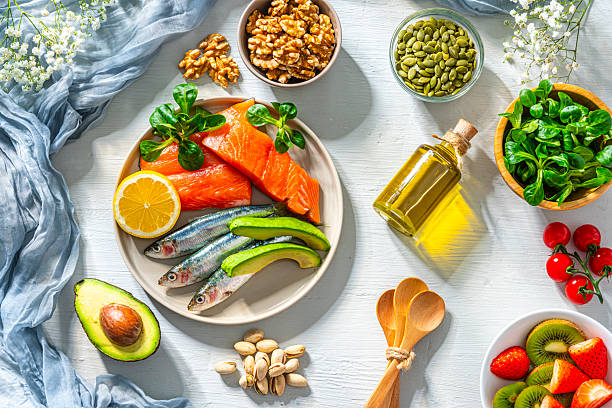
The easiest way to find these fats is by looking in the ocean and on trees! Focus on eating fatty fish like salmon, tuna, and sardines a couple of times a week. Don’t like fish? No problem. You can get these same powerful fats from walnuts, chia seeds, and flaxseeds. Avocados and olive oil are also fantastic, easy-to-use options. Try sprinkling seeds on your yogurt or using avocado as a spread on your sandwich for a simple brain boost.

What’s the difference between “good” fats and “bad” fats for my brain?

Good fats are the helpers, and bad fats are the troublemakers. The helpers—like those in fish, nuts, and avocados—are flexible and help your brain cells communicate easily. The troublemakers are often found in processed foods, fried foods, and packaged snacks. These fats are stiff and can gum up the works, making it harder for your brain to function properly and potentially increasing feelings of worry. Stick with the natural, whole-food sources to keep your brain happy.