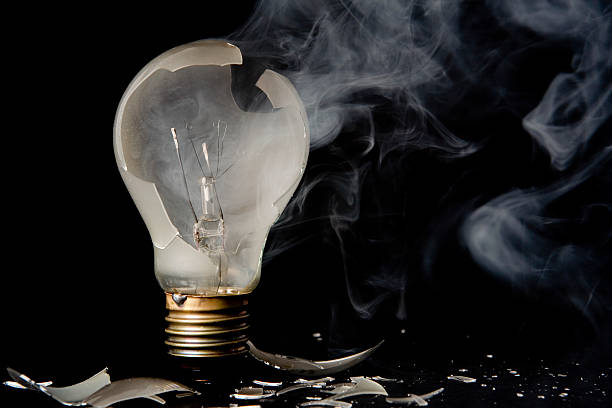
When your body’s alarm goes off too often, small things can feel big. A text sounds like a threat. A busy room feels like too much. You might reach for coffee to get going, a drink to wind down, or a cigarette to take the edge off. These things can feel like they help for a few minutes. But they often make the alarm louder later. If you want to calm your body, it helps to know what these three do.
Caffeine is the one most people use without thinking. Coffee, tea, soda, energy drinks, and some pills all have it. Caffeine does not create calm. It blocks the stuff that makes you feel sleepy. So you feel more awake, but your body may still be tired. It can also speed up your heart, make your hands shaky, and make your thoughts race. If you already feel anxious, that can feel like proof that something is wrong. Your body says, “My heart is pounding,” and your brain thinks, “Something must be scary.” Then the alarm gets louder. Caffeine also stays in your body for hours. A late afternoon cup can still be working at bedtime. Poor sleep makes anxiety worse the next day, so the cycle keeps going. You do not have to quit forever. Start by noticing how much you drink and when. Try cutting back slowly, and keep caffeine before noon if sleep is a problem. Drink water. Eat something. See how your body feels after a week. If you feel shaky and worried after a big coffee, that is not a sign you are failing. It is a sign your body got a jolt. Try a smaller cup or a mix with less caffeine. Notice if you are drinking it because you are tired, thirsty, or stressed.
Alcohol feels like it turns the alarm down. One drink can make you feel warm, loose, and less worried. That is why people say it helps them relax around others. But alcohol is more like a loan. You borrow calm now and pay it back later. As your body clears the alcohol, your sleep gets lighter and more broken. You may wake up at 3 a.m. with a fast heart and a busy mind. The next day, small problems can feel huge. That is your alarm turning back on with extra volume. Alcohol can also make you feel tired but wired. If you use it to calm down often, you may need more to get the same effect. That is a trap. A better test is to see what happens on nights you skip it. Do you sleep better? Is your morning calmer? You do not need a perfect plan. Try a smaller drink, more water, or a night off. Watch what your body tells you.
Nicotine is tricky because it feels calming and exciting at the same time. A cigarette or vape can give you a quick hit of focus and relief. That relief is real, but it is short. Nicotine makes your heart beat faster. It makes your body act like it is on alert. Then it leaves your body fast. Soon you may feel jumpy, tense, or foggy. You light another one to fix that feeling. This is a loop. The thing that seems to calm you is also keeping the alarm on. Quitting is hard, and it is okay to get help. But even cutting back and changing when you use can teach you a lot. Notice if you reach for nicotine when you are bored, stressed, or upset. That clue can help you choose something else, like a short walk, cold water on your face, or slow breaths.
The big point is not that you are weak. It is that your body reacts to what you put in it. Caffeine, alcohol, and nicotine can all push the alarm button. They can also make you feel like you need them to feel normal. You can break that pattern by paying attention, making one small change, and giving your body time to settle. Calm is not a switch. It is a habit your body learns when it gets less noise and more rest. Pick one thing to test for five days. Write down how you feel in the morning and at night. You may find that a small change gives your body a little more quiet.