Your brain is about two pounds of soft, busy tissue. It runs your thoughts, mood, sleep, and stress response. It needs the right building blocks to work well. Omega-3s are one of those building blocks. They are a kind of fat your body needs but cannot make well on its own. You get them from food or pills. They are not a magic cure for anxiety. But they may help your brain do its job, and that can make a real difference in how calm or worried you feel.
Omega-3s are found in fish like salmon, sardines, mackerel, and tuna. They are also in walnuts, flaxseed, chia seeds, and some eggs and soy foods. If you eat fish a couple times a week, you are likely getting a good amount. If you never eat fish or those plant foods, you might be low. Low omega-3s do not always cause anxiety. But research has looked at whether getting more can help people feel steadier. The answer is not a simple yes for everyone. It looks more like one helpful piece of a bigger plan.
Here is why omega-3s matter for mood. Your brain cells are wrapped in thin layers of fat. Those layers help cells talk to each other. Omega-3s help keep those layers flexible and strong. When brain cells can send signals smoothly, your brain can handle stress better. It can also help with sleep and focus, and those things affect anxiety. If you are tired and foggy, small worries can feel huge. If your brain has what it needs, you may have more room to think clearly and calm yourself down.
Some studies show that people who eat more omega-3s tend to have lower anxiety. Other studies show mixed results. That does not mean omega-3s are useless. It means they are not a switch you flip. They work best with other habits: sleep, movement, regular meals, and talking to someone you trust. Think of omega-3s as support for your brain, not a stand-alone fix. If you expect one pill to erase worry, you will be let down. If you expect steady support, you are closer to the truth.
Food first is a good rule. You can add canned salmon to a salad. You can stir ground flaxseed into oatmeal. You can snack on walnuts. You can put chia seeds in yogurt. These foods give your body omega-3s plus protein and other nutrients. If you do not like fish, plant sources still help, though your body uses them a little differently. A simple goal is to include an omega-3 food most days. Small steps beat big plans you never start.
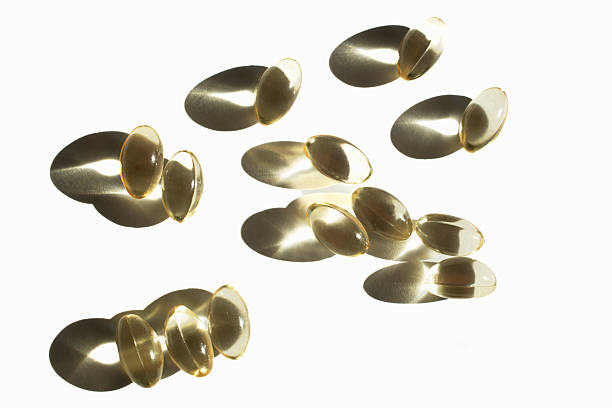
Pills can be helpful for some people, but they are not candy. Fish oil pills can upset your stomach or interact with medicines. Talk to a doctor or pharmacist before you start one, especially if you take blood thinners or have a health condition. Also check the label. Cheap pills may not have what they claim. You do not need a giant dose. More is not always better. The goal is to fill a gap, not to flood your body.
Can omega-3s lower anxiety by themselves? Probably not for most people. Can they help your brain stay healthy and make calm easier? Yes, they can be part of that. Your mood is not one thing. It is built from sleep, food, movement, stress, and support. Omega-3s are one useful plank in that floor. Eat fish or plant sources when you can. Talk to a doctor before pills. Give it weeks, not days. And do not ignore the basics. A brain that is fed, rested, and supported has a better chance to feel steady.