
Skip to Content

Food, Mood and Helpful Supplements

Magnesium for Anxiety: A Simple Mineral That May Help You Feel Calmer

Magnesium for Anxiety: A Simple Mineral That May Help You Feel Calmer

If you feel anxious a lot, you might have tried deep breathing, going for walks, or cutting back on coffee.
Feed Your Gut, Steady Your Mood: The Fiber Connection

Feed Your Gut, Steady Your Mood: The Fiber Connection

Your gut and your brain talk all day.
Low Vitamin B12 Can Make Anxiety Feel Worse: What to Check

Low Vitamin B12 Can Make Anxiety Feel Worse: What to Check

Anxiety can make your heart race, your thoughts spin, and your body feel like it is ready to jump out of your skin.

A Calmer Morning Starts With Breakfast: Foods That Help Ease Anxiety

A Calmer Morning Starts With Breakfast: Foods That Help Ease Anxiety

You wake up and your stomach feels tight.
How to Spot a Sketchy Supplement Before You Buy It

How to Spot a Sketchy Supplement Before You Buy It

A supplement bottle can look calm and helpful.
Why a Balanced Breakfast Can Help You Feel Calmer

Why a Balanced Breakfast Can Help You Feel Calmer

When your stomach is empty and your morning is rushing, it is easy to grab coffee and run.
L-Theanine and Lavender: Calm Helpers for a Busy Mind

L-Theanine and Lavender: Calm Helpers for a Busy Mind

Your brain can feel like a browser with too many tabs open.
L-Theanine: A Plain-Language Guide to the Tea Supplement That May Help You Feel Calmer

L-Theanine: A Plain-Language Guide to the Tea Supplement That May Help You Feel Calmer

If your mind races before a test, a meeting, or a hard talk, you might look for something simple to take the edge off.
Low Vitamin D and Anxiety: How a Missing Nutrient Can Affect Your Mood

Low Vitamin D and Anxiety: How a Missing Nutrient Can Affect Your Mood

You might think of vitamin D as the bone vitamin.
The Drinks That Can Make Anxiety Worse—and What to Sip Instead

The Drinks That Can Make Anxiety Worse—and What to Sip Instead

You know that shaky, wired feeling that shows up when your nerves are already stretched? Sometimes the fix isn’t more willpower.
Omega-3s for a Calmer Brain: Everyday Foods That May Help Mood and Focus

Omega-3s for a Calmer Brain: Everyday Foods That May Help Mood and Focus

Omega-3s are fats your body needs but does not make very well on its own.
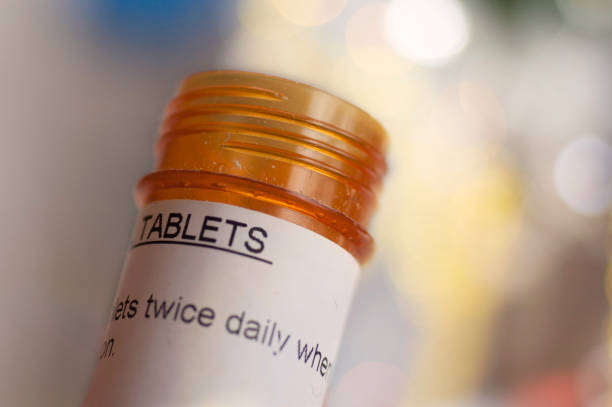
Amino Acid Supplements for Anxiety: Food First, Hype Second

Amino Acid Supplements for Anxiety: Food First, Hype Second

When you feel wound up, it is easy to look for a pill that fixes it fast.

Quick Tips

What does “letting a thought go” actually feel like?

Letting a thought go feels like allowing a cloud to drift across the sky. You notice the cloud (your thought), you might even look at it for a moment, but then you just let it keep moving. You don’t chase after it or try to blow it away. It’s a gentle shift from being stuck in your head to being aware of what’s around you—like suddenly noticing the feeling of your feet on the floor or the sounds in the room. It’s a calm release, not a forceful push.

How does magnesium actually help me feel less anxious?

Magnesium acts like a natural chill pill for your nervous system. It helps calm the “alarm bells” in your body and brain. When you’re stressed, your body can get stuck in high-alert mode. Magnesium steps in to help block some of the stress hormones that keep you feeling wired. It also supports a chemical in your brain called GABA, which is your body’s own “off switch” for anxiety. By supporting these natural processes, magnesium helps your body and mind relax, making it easier to unwind and find a sense of calm.

What does “accepting thoughts” actually mean?

Accepting your thoughts simply means making space for them without judgment. It doesn’t mean you like them or agree with them. It’s like acknowledging a cloud passing in the sky—you see it, but you don’t have to stop it or argue with it. You let it be there and continue with your day. This stops the struggle, which often makes anxiety worse. It’s about being kind to yourself and allowing all your feelings to exist.

Where is the best place to do this?

Anywhere that feels safe and doesn’t add more stress is the perfect place. You can stretch in your living room, walk in a quiet hallway, or sit on a park bench and do some gentle neck rolls. If being outside feels good, a slow walk around your neighborhood can be great. If being around people makes you more anxious, a quiet spot in your home is just as good. The location doesn’t matter as much as finding a space where you can feel at ease for a few minutes.

What should I do with the extra time I get from a break?

Fill that time with something that feels good and calm for you. This could be listening to your favorite music, going for a walk, reading a book for fun, or doing a hobby like drawing. You could also use the time to talk to a friend or family member in person or on the phone about something other than the news. The goal is to do something that helps you feel relaxed and more like yourself again.