Anxiety can make your heart race, your thoughts spin, and your body feel like it is ready to jump out of your skin. Sometimes the cause is stress, lack of sleep, too much caffeine, or a hard season of life. But sometimes your body is missing something it needs. Vitamin B12 is one of those things. If your B12 is low, anxiety can feel stronger, and you may not know why. Checking B12 will not solve every worry, but it is a simple thing to look at when your mood and body feel off.
B12 is a vitamin your body uses to make red blood cells and keep your nerves working well. Red blood cells carry oxygen around your body. Nerves send signals between your brain and the rest of you. When B12 gets too low, those jobs get harder. You might feel tired even after sleep. You might feel weak, shaky, or short of breath. Your hands or feet might tingle. You might have trouble thinking clearly or remembering small things. Some people feel down, jumpy, or more anxious. Others feel wired and cannot settle. These feelings do not always mean low B12, but they are worth paying attention to.
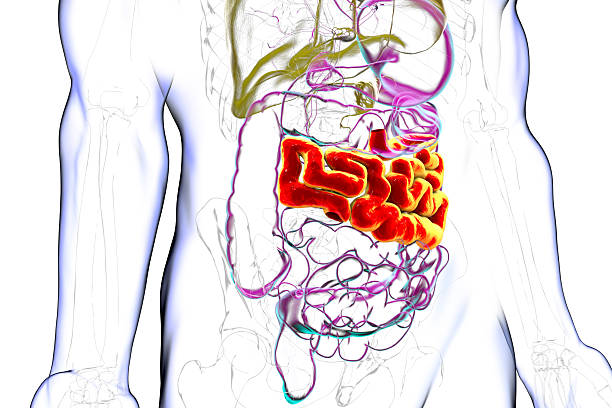
Low B12 can happen for several plain reasons. You might not get enough B12 from food. This is more likely if you eat mostly plants and do not use fortified foods or a supplement. Your body might also have trouble pulling B12 out of food. Some people do not make enough of the stuff in the stomach that helps grab B12. Some medicines can get in the way too. Older adults often have a harder time getting enough. So do people who have stomach or gut problems. You do not need to guess. A simple blood test can show if your B12 is low. That test is the best place to start before you spend money on pills.
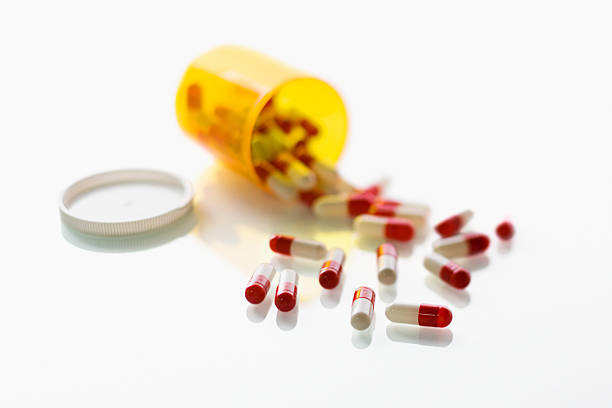
Food can help. B12 shows up mostly in animal foods like meat, fish, eggs, milk, and cheese. Some cereals and plant milks have B12 added. If you eat mostly plants, check the label and choose foods that say they have B12 added. You may still need a supplement, depending on what your test shows and what your doctor says. Do not assume you need a giant dose. More is not always better. Taking too much of some vitamins can cause problems. If you are pregnant, have a health problem, or take medicine, ask before you start a new supplement. A doctor can tell you if a pill is safe for you and how much to take.
Here is the direct truth. B12 is not a magic fix for anxiety. If your B12 is normal, taking more will not calm your mind. If your B12 is low, fixing it may help you feel more like yourself. It can lift some of the tired, shaky, foggy weight that makes anxiety harder to handle. Then you have more room to work on sleep, food, movement, and stress. Small changes add up. Eat regular meals. Get enough sleep. Cut back on too much caffeine. Move your body in a way you like. Talk to someone you trust when your thoughts get loud. These steps matter, and so does checking for simple body problems like low B12. You do not have to be perfect. Pick one thing you can do today, like going to bed a little earlier or eating lunch instead of skipping it. If your anxiety feels heavy and does not let up, reach out to a doctor or a counselor. You deserve support, and low B12 is only one piece of the puzzle. Take the next small step when you can. That is enough for now.
If anxiety is making your days hard, do not just push through. Look at the basics, including your B12. Ask for a blood test. Ask what your result means. Ask if your food or medicine could be part of the problem. You do not need to fix everything at once. Start with one clear question: could low B12 be making me feel worse? If the answer is yes, you can take a real step toward feeling steadier.