Omega-3s are fats your body needs but does not make very well on its own. You have probably heard about them for heart health, but they matter for your brain too. Your brain is packed with fat, and omega-3s help keep brain cells flexible and ready to send messages. That may sound simple, but it matters for thinking, memory, and mood. If you feel foggy, wired, or anxious, omega-3s are not a magic switch. Still, eating more of them is a smart, low-drama habit that can support your brain over time.
There are two main omega-3s to know: EPA and DHA. DHA is a big part of your brain. EPA seems to play a role in mood and how your body handles stress. You do not need to memorize the letters. Just know that oily fish is the best food source of both. Salmon, sardines, mackerel, herring, and anchovies are strong choices. If those sound fancy, think canned salmon or sardines on toast. Tuna is okay too, but it has less omega-3s than salmon. Aim for fish twice a week if you eat fish. A simple can of sardines or a salmon patty counts.
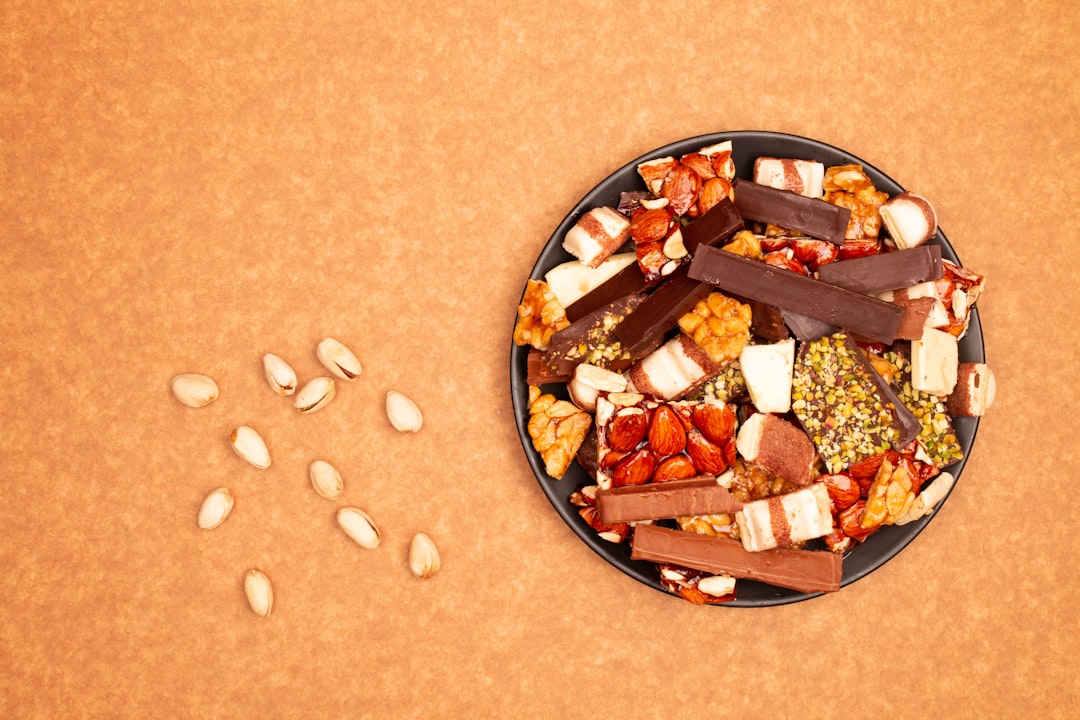
What if you do not eat fish? You can still get omega-3s from plant foods, but the type is different. Your body has to convert it, and it only does that in small amounts. Walnuts, chia seeds, ground flaxseed, and hemp seeds are good plant sources. They are still worth eating. Add chia to yogurt, flaxseed to oatmeal, or walnuts to a salad. Just do not expect a handful of walnuts to work like a piece of salmon. Plant sources help, but fish is stronger for EPA and DHA.
Supplements are another option. They are useful for people who rarely eat fish or who want a steady amount. But more is not better. A high dose can cause loose stools or a fishy taste. It can also raise bleeding risk for some people, especially those on blood thinners. If you take medicine, are pregnant, or have a health issue, ask a doctor or pharmacist before starting. Look for a supplement that lists how much EPA and DHA it has, not just total fish oil. That number is what matters. Cheap pills with little EPA and DHA may not do much.
Here is the part people miss: omega-3s work best as part of a steady eating pattern. If you eat fish once in a while and then stress about it, that is not the point. Try a simple weekly plan. Maybe tuna salad on Monday and salmon on Thursday. Keep canned fish in the pantry for busy days. Put chia seeds where you can see them. Small moves beat perfect plans. Also, omega-3s are not a replacement for sleep, movement, or talking to someone you trust when anxiety is heavy. They are one piece of the puzzle.
Can omega-3s lower anxiety? The research is mixed. Some studies show small mood benefits, especially for people who do not get much omega-3 in their diet. Other studies show little change. That does not make them useless. It means they are a support, not a cure. If you want to try them, give it time. Food changes are slow. Do not judge your mood after one meal. Watch how you feel over a few weeks. Keep your dose reasonable. Choose food first when you can. If you use a supplement, pick a simple one and check the label.
The bottom line is friendly and direct: your brain likes fat, and omega-3s are a good kind. You do not need a perfect diet or a shelf full of pills. You need a few reliable foods you will actually eat. Fish, walnuts, chia, and flaxseed can all help. Pair that with basic self-care and honest support. Your brain is not asking for a miracle. It is asking for steady, simple fuel.