You might think of vitamin D as the bone vitamin. It does help your body use calcium. But it also matters for your brain and mood. When your vitamin D is low, you may feel tired, foggy, weak, or down. Some people also feel more nervous or on edge. That does not mean low vitamin D causes every case of anxiety. Anxiety has many causes, including stress, genes, sleep, caffeine, and life events. Still, low vitamin D is a common miss, and it is worth knowing about.
Your body makes vitamin D when your skin gets sunlight. You can also get some from food. Fatty fish like salmon and tuna have it. Egg yolks, milk with vitamin D added, and some cereals and orange juices have it too. Many people do not get much sun, especially in winter or if they work inside all day. People with darker skin may make less vitamin D from the same amount of sun. Older adults and people who cover up a lot may also make less. So low vitamin D is not rare.
The link to anxiety is not a simple switch. Studies have found that people with low vitamin D are more likely to report anxiety or low mood. But a link is not proof. It could be that people who feel anxious stay inside more and get less sun. It could be that poor sleep and poor eating affect both. It could be both ways. The honest answer is that vitamin D is one piece of a bigger picture. It is not a magic cure, and more is not always better.
Low vitamin D can sneak up on you. You might feel worn out even after sleep. Your muscles might ache. You might feel weak or have trouble thinking clearly. Your mood might dip. These signs can also come from stress, not enough food, low iron, or poor sleep. That is why guessing is a bad plan. If you think your vitamin D is low, ask a doctor about a blood test. A test can show whether you need more. It can also show if you are taking too much.
Food is a good first step. Try to include vitamin D foods a few times a week. Salmon, tuna, eggs, and fortified milk or cereal are easy choices. You do not need to eat a perfect diet. Small, steady changes beat a strict plan you quit in a week. Short time in the sun can help too, but do not burn. Cover up or use sunscreen if you will be out longer. Sunlight is not a free pass to skip food or tests. A simple plate with eggs, toast, and milk can do more than a handful of pills you bought because a video scared you.
B vitamins matter too. Vitamin B12 and folate help your body make red blood cells and keep your nerves working well. If you are low on B12, you may feel tired, shaky, foggy, or moody. Low folate has been linked to low mood. B12 is found in meat, fish, eggs, and milk. Folate is found in beans, lentils, leafy greens, and fortified grains. People who eat no animal foods need to plan for B12. They may need a supplement or fortified foods. Again, a doctor can help you check.
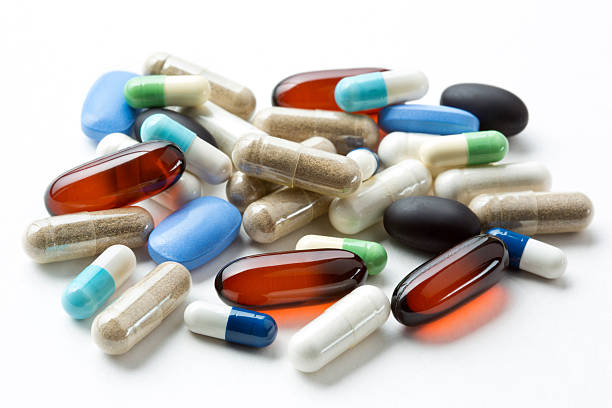
Do not chase every vitamin you see online. Too much vitamin D can be harmful. More B12 is not always better either. Supplements can mix with medicines. They can also cost a lot and push you away from the basics that help anxiety: regular sleep, food, movement, and support. If you take a supplement, keep it simple and tell your doctor what you use.
Think of vitamins as support, not a cure. Eat regular meals with protein, color, and whole grains. Get outside when you can. Ask for a test if you are worried. Talk to someone if anxiety is heavy and will not let up. Low vitamin D and low B vitamins may play a part in how you feel, but they are not the whole story. Checking them is smart. Blaming every bad day on one pill is not. That is a solid start.