Tryptophan is a part of protein that your body needs. You get it from foods like turkey, chicken, eggs, milk, cheese, yogurt, nuts, seeds, soy, oats, and beans. Your body uses it to make a brain chemical that helps with mood and sleep. Some people take tryptophan pills to feel calmer or sleep better. The idea sounds simple. If your brain needs this stuff, maybe more will help. But your body is not that simple.
When you eat protein, tryptophan has to compete with other parts of protein to get into your brain. That means a big plate of turkey does not flood your brain with calm. A snack that has some protein and some carbs may work better. Carbs help tryptophan get where it needs to go. Think of a small bowl of oatmeal with milk, crackers with cheese, or a banana with a spoon of peanut butter. These are normal foods, not magic. They can help you feel steady, especially if you skipped a meal.
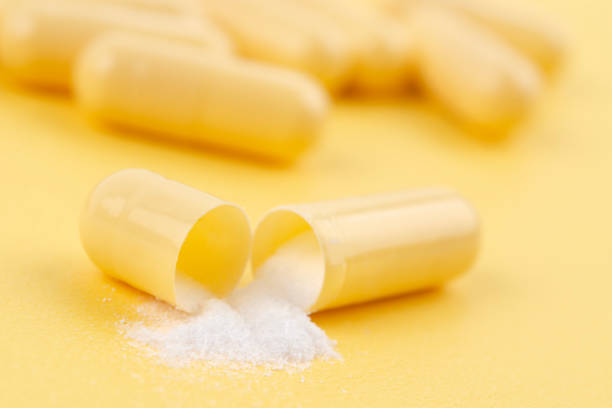
Tryptophan supplements are sold as a way to boost mood and sleep. Some small studies show that tryptophan may help people sleep a little better or feel less tense. But the research is not strong or clear. Many studies are small. Some people feel a difference. Some feel nothing. Some feel sleepy or sick to their stomach. We do not have good proof that tryptophan pills are a reliable fix for anxiety. That matters. Anxiety is not caused by one missing pill. It comes from many things, like stress, sleep, food, movement, health, and life events. You can get tryptophan from food without buying a pill, and that is usually the safer first step.
Here is the straight answer. Tryptophan is not a magic calm pill. It might help some people a little, mostly with sleep. It is not a proven cure for anxiety. Food and basic habits matter more. If you want to feel calmer, start with the boring stuff that works. Eat regular meals. Do not skip breakfast. Keep snacks with protein and carbs around. Get enough sleep. Move your body most days. Get outside. Talk to someone you trust. Practice slow breathing. Cut back on too much caffeine, especially late in the day. These steps are not flashy, but they help your body feel safer and less on edge.
If you still want to try a tryptophan supplement, be careful. Supplements are not checked the same way as medicines. The bottle may not contain what it says. It may have extra stuff. Tryptophan can cause upset stomach, headaches, sleepiness, or dizziness. It can interact with medicines for mood, sleep, pain, or blood thinning. Do not mix it with alcohol. Do not take it before driving or doing something that needs focus. Talk to a doctor or pharmacist first if you take any medicine, are pregnant, or have health problems. Do not use a supplement instead of food, sleep, or support from people who know you.
Other supplements get a lot of hype, too. Magnesium, omega-3s, and herbal blends are often sold as calm-in-a-bottle. Some may help some people. None are a sure thing. The same rules apply. Check the research. Check the risks. Check with a pharmacist. Keep your hopes real. A supplement can be one small tool. It should not be the whole plan. If a label promises fast calm or a cure, walk away. Good products list amounts and warnings. Bad ones hide behind big words.
A good test is to ask yourself what problem you are trying to solve. If you are hungry, eat. If you are tired, sleep. If you are stressed, talk it out. If you are anxious most days and it gets in the way of school, work, or friends, get real help from a doctor or counselor. That is not a weakness. It is smart. Tryptophan may be worth a careful talk with a pharmacist if sleep is your main problem and you have no health reasons to avoid it. But do not expect it to fix your whole mood. Food, sleep, movement, and support do more heavy lifting than any pill. Keep the pill small in your plan and your daily habits big.