Can What You Eat Truly Calm Your Anxiety?
This relationship operates through what scientists call the gut-brain axis, a constant two-way communication network linking the emotional and cognitive centers of the brain with the intricate workings of the digestive system. The gut is home to trillions of bacteria, collectively known as the microbiome, which produce a vast array of neurochemicals. In fact, it is estimated that about ninety-five percent of the body’s serotonin, a key neurotransmitter that stabilizes mood and promotes feelings of well-being, is manufactured in the gut. When the balance of our gut bacteria is disrupted by a diet high in processed foods, sugars, and unhealthy fats, this production line can falter, potentially influencing anxiety levels. Conversely, nourishing this microbial community supports the production of these calming chemicals and helps regulate inflammation, another key player in anxiety disorders.
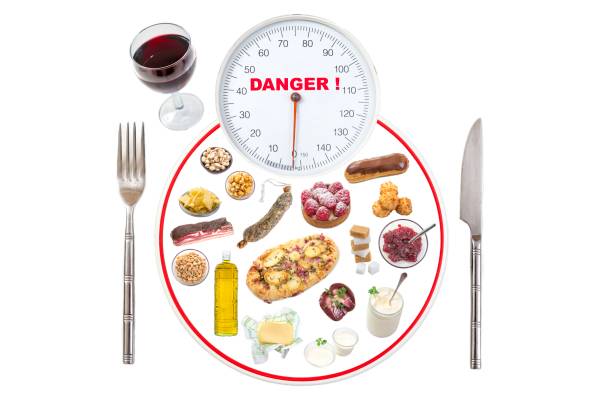
Therefore, strategic dietary changes aim to nourish the gut and, by extension, soothe the brain. Incorporating a diverse array of fiber-rich plants—such as vegetables, fruits, legumes, and whole grains—feeds beneficial gut bacteria, allowing them to thrive. Fermented foods like yogurt, kefir, sauerkraut, and kimchi introduce helpful probiotics directly into the system. Furthermore, focusing on omega-3 fatty acids, found in fatty fish, walnuts, and flaxseeds, is crucial. These fats are integral components of brain cell membranes and possess potent anti-inflammatory properties, with studies linking higher intake to reduced anxiety symptoms. Equally important is the mindful reduction of anxiety-exacerbating substances. Caffeine, for instance, can mimic the symptoms of anxiety—jitteriness, a racing heart—and may trigger panic attacks in susceptible individuals. Highly processed foods and refined sugars can cause blood sugar spikes and crashes, leading to mood swings, irritability, and heightened stress responses.
It is critical to temper this promising information with realism. Food is not a magic cure. For someone with a diagnosed anxiety disorder, dietary changes should be viewed as a complementary strategy, not a sole intervention. Think of it as building a more resilient biological foundation from which other treatments, like cognitive-behavioral therapy, can operate more effectively. The relationship is also highly individual; what stabilizes one person’s mood may not work identically for another, necessitating a degree of personal experimentation and patience.
Ultimately, the act of changing your food to manage anxiety is also an act of empowerment. It represents a shift from passive suffering to active participation in one’s own mental health. The process of choosing nourishing foods, preparing meals mindfully, and observing how different foods affect your mental state fosters a deeper connection with your body’s signals. This holistic approach acknowledges that we are not merely brains experiencing anxiety, but whole organisms. By fueling the complex, beautiful connection between our gut and our mind, we create an internal environment less hospitable to anxiety and more conducive to calm. While the journey requires consistency and should be undertaken alongside professional guidance when needed, the evidence is clear: the path to a quieter mind may very well begin on your plate.
Related Articles
Learn more about Getting Extra Help.
Nourish Your Nerves: How Eating Steady Can Settle Your Anxiety

How to Stop Feeding Your Anxiety