Chamomile: A Gentle Herb for Feeling Calm
Chamomile has natural stuff in it that talks to your brain and tells it to slow down a bit. Think of it like a gentle nudge to your nervous system to take a break. It’s not a strong medicine. It’s more like a soft blanket for your nerves. When you drink chamomile tea or take it as a supplement, the compounds in the herb kind of hang out with certain receptors in your brain that are linked to relaxation. You don’t need to know the science names to get the idea. It just helps your body feel less on edge.
The most common way to use chamomile is as a tea. You can buy the dried flowers loose or in tea bags at almost any grocery store. Making it is easy. Just boil some water, put the tea bag or a spoonful of dried flowers in a cup, pour the hot water over it, and let it steep for about five minutes. The longer you let it sit, the stronger it gets. The smell alone is calming—sort of sweet and a little like apples. Sipping something warm is already a relaxing ritual, so the tea works double duty.
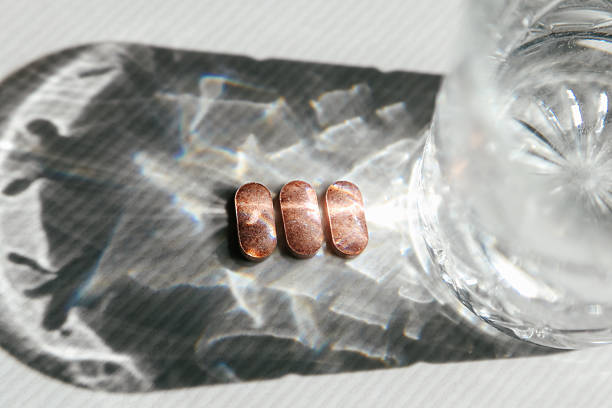
You can also find chamomile in capsule or liquid extract form at health food stores. Those are stronger than tea, so they might work better if you need something more noticeable. The pills usually have a set amount you take with water. Liquid extracts you can drop into a glass of water or under your tongue. Some people use a chamomile tincture, which is a concentrated liquid made from the flowers. All these options are fine. It just depends on what fits your routine best.
Is chamomile safe? For most people, yes. It’s one of the gentlest herbs out there. But if you have allergies to daisies, ragweed, or marigolds, be careful. You might have the same reaction to chamomile. Also, if you take blood thinners or have any serious health condition, it’s a good idea to check with your doctor first. Other than that, the biggest side effect for most folks is feeling a little sleepy. That’s actually one reason people drink it before bed. It’s not a knockout drug, but it can make you drowsy if you take a decent amount.
I remember the first time I tried chamomile tea. I was in college, totally stressed about exams. My roommate made me a cup and handed it to me. I didn’t think it would do anything, but after a few sips, I felt my shoulders drop a little. It wasn’t a miracle. I still had to study. But the tightness in my chest faded a bit. That’s what chamomile does. It takes the edge off without making you feel spaced out or weird.
There are other calming herbs out there, like lavender, lemon balm, and passionflower. But chamomile is probably the most popular and easiest to find. You can get it at the drugstore, the supermarket, or online. It’s cheap, and you don’t need a prescription. That makes it a good first choice if you’re curious about using herbs to lower anxiety.
Some studies have looked at whether chamomile actually works. The research suggests that for mild to moderate anxiety, it can help. It’s not going to stop a panic attack or replace a therapist. But for everyday jitters, like before a presentation or after a tough day, it’s a solid option. The effects usually kick in within thirty minutes to an hour. If you take it regularly, you might notice your overall stress level stays a little lower.
How much should you take? That depends on the form. For tea, one to three cups a day is typical. For capsules, follow the label. Most say to take one or two capsules a day. Start with less to see how it affects you. You can always drink more tea or take more capsules if you need.
One thing to keep in mind is that chamomile works best when you pair it with other relaxation habits. It’s not a solo act. If you drink a cup of tea while scrolling through bad news on your phone, you might not feel much. But if you sit quietly, take a few deep breaths, and let the warmth wash over you, it helps a lot. Some people like to use it before meditation or a gentle stretch. Others just sip it while reading a book.
Chamomile has been around for thousands of years. Ancient Egyptians, Greeks, and Romans all used it for different ailments, including stress. That history tells you something. People don’t stick with a herb for that long if it doesn’t work. It’s not a trendy fad. It’s a tried-and-true helper.
So if you’re looking for a natural way to calm down without side effects or weird jargon, chamomile is worth a try. It’s simple, gentle, and easy to find. Just remember it’s a supporter, not a fix. Use it when you need a little extra peace. Pair it with a quiet moment, and you might find yourself feeling a lot more at ease.
Related Articles
Learn more about Helpful Supplements.

Fish Oil: A Simple Trick to Help Your Brain Relax