Complex Carbs Keep You Steady and Calm
So what’s a complex carb? Think of it like a slow-burning log on a campfire instead of a quick piece of paper that flares up and dies. Complex carbs are things like oats, brown rice, whole wheat bread, beans, and sweet potatoes. They have more fiber and take longer for your body to break down. That means sugar goes into your bloodstream slowly and evenly. No sudden spike. No sudden crash. You just feel steady, like your energy is on a nice flat road instead of a crazy hill.
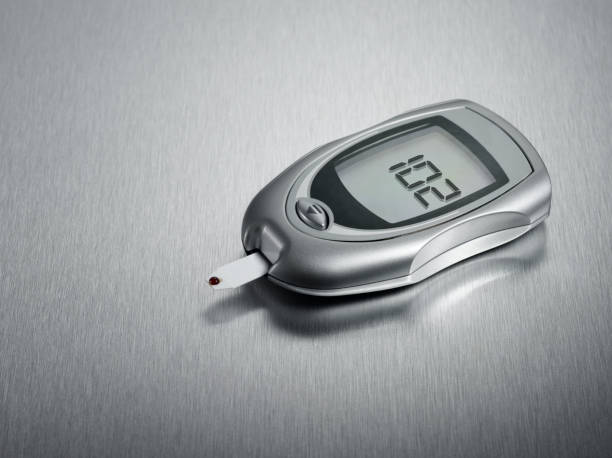
Let’s talk about why that matters for anxiety. Your brain runs on sugar, but it doesn’t like huge ups and downs. When your blood sugar drops too fast, your body thinks something is wrong. It releases stress hormones, even if you’re just sitting at your desk. Those hormones make your heart beat faster and your thoughts race. Sound familiar? That’s basically anxiety. So by eating foods that keep your blood sugar steady, you’re telling your body, “Hey, we’re okay. No emergencies here.” That simple message can calm you way down.
Here’s a real-life example. You wake up and grab a donut and a coffee with lots of sugar in it. Within thirty minutes, you feel a boost. But then around ten in the morning, you’re wiped out. You’re tired, cranky, and everything feels harder. You reach for another sugary snack, and the whole cycle starts again. By afternoon, you’re on a total roller coaster, and your anxiety is riding right along with you. Now imagine instead you have a bowl of oatmeal with some berries and maybe a spoonful of peanut butter. That oatmeal takes a while to digest. You stay full and even-keeled for hours. No crash. No panic. Just calm energy.
You don’t have to give up all carbs either. That’s a big mistake a lot of people make. They think carbs are bad and try to cut them out completely. But that can actually make anxiety worse, because your brain needs carbs to make serotonin, the chemical that helps you feel happy and relaxed. The trick isn’t to cut carbs out. It’s to choose the right ones most of the time. Trade white bread for whole wheat. Swap white rice for brown rice. Pick a sweet potato over a regular potato if you can, though regular potatoes are fine too – just keep the skin on for more fiber.
Another easy switch is snacks. Instead of pretzels or chips, grab some apples and almond butter, or a handful of sunflower seeds. Even better, make a little snack mix with oats, nuts, and a few dark chocolate chips. That mix has complex carbs and protein and fat, which is the dream team for steady energy. Protein and fat slow down the carbs even more. So a piece of whole grain toast with avocado or nut butter is way better for your mood than toast with just jam.
You don’t have to be perfect every single meal. The goal is to feed your body in a way that keeps your mind from spinning. Think about what a steady friend would say to you. They’d say, “Take it easy. You don’t need to rush.” Complex carbs are like that friend. They don’t hype you up. They don’t let you crash. They just have your back all day long.
One more thing that helps is eating on a regular schedule. When you go too long without food, your blood sugar drops, and then you get that hangry, jumpy feeling. Eating something every three to four hours, even if it’s small, keeps your levels smooth. Pair a complex carb with a little protein at every meal – that could be eggs with toast, or yogurt with berries, or lentil soup with a side of whole grain bread. That combo is the secret to staying calm and focused.
So next time your anxiety feels out of nowhere, ask yourself when you last ate and what it was. If it was something sugary or super white and fluffy, that’s probably your answer. Give your brain the slow-burning fuel it wants and watch how much smoother your mood gets. You don’t need fancy supplements or complicated rules. Just keep it simple: more whole foods, less refined stuff, and let your energy stay steady. Your mind will thank you.
Related Articles
Learn more about Food and Mood.

Avocados: The Brain Food That Fights Anxiety