Feeling Your Body to Calm Your Mind
Here’s how it works. Anxiety likes to live in your head. It makes up stories about what might go wrong. It replays old mistakes. It plans and panics and never stops talking. But your body doesn’t do that. Your body just exists. Right now, your toes are touching your socks. Your shoulders are holding their own weight. You are breathing. That’s all real. That’s all true. When you check in with your body, you are reminding yourself that you are here, not in the scary story your brain is telling.
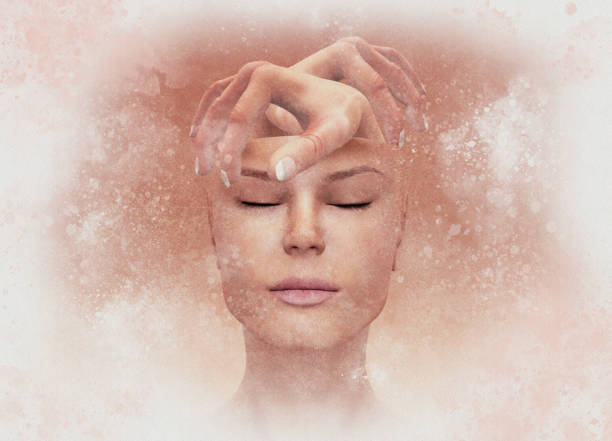
You don’t need any special equipment to check in. No apps, no candles, no fancy breathing techniques. Just stop for a second. Close your eyes if that feels okay, or keep them open and look at something neutral. Then move your attention to the bottom of your feet. What do you feel? Maybe the floor is hard. Maybe your socks are soft. Maybe you feel a little tingle or nothing at all. That’s fine. Just notice. Then move up to your legs. Are they heavy? Light? Do you feel the chair or the ground under you? Keep going slowly. Your hips, your stomach, your chest. Notice if your breathing is fast or slow. Then your arms, your hands, your fingers. Then your neck and your face. Is your jaw tight? Are your eyebrows squeezed together? Maybe you can soften them a little. Let your tongue rest at the bottom of your mouth. That’s it. That’s the whole thing.
What makes this so helpful for anxiety is that it takes you out of thinking and into sensing. Your brain can’t spin worries and feel your left earlobe at the same time. When you pay close attention to a body part, you are giving your mind a break from its favorite hobby: catastrophizing. And the more you practice, the easier it becomes. At first, you might only get a few seconds before your thoughts yank you back. That’s okay. Just gently bring your attention back to your body. No scolding. No frustration. Each time you notice you’ve drifted, you’re actually doing the skill. Noticing is the point.
You can also check in with just one part of your body. If you’re sitting in a waiting room or at a desk, press your feet into the floor. Really feel the ground holding you up. Or pick up a small object, like a pen or a cup, and notice its temperature and weight. Or just turn your hand over and look at the lines on your palm. These tiny moments of body awareness work like a reset button for your nervous system. They tell your brain, “We are not in danger. We are here, in this room, in this second.“
Another way to check in is to tense and relax. This is great for when anxiety makes your whole body feel tight. Start with your hands. Make fists and squeeze for about five seconds. Then let go and feel the release. Do the same with your shoulders, lifting them up to your ears and dropping them. Then your face, scrunching it up and letting it go. Your body doesn’t know how to stay panicked when you force it to relax in stages. This gives you something to do with the nervous energy anxiety creates.
The beautiful thing about checking in with your body is that it works any time, anywhere. You can do it in line at the grocery store. You can do it while you’re brushing your teeth. You can do it in the middle of a conversation without anyone noticing. You don’t have to wait for a quiet moment. The present moment is always with you, and your body is always living in it. All you have to do is join your body for a second.
So the next time anxiety starts to feed you lines about tomorrow or next year, try this instead. Drop your shoulders. Unclench your jaw. Feel your back against what’s behind you. Take one small breath and notice where it moves in your chest or belly. You are here. You are okay. And your body just confirmed it.
Related Articles
Learn more about Staying in the Present Moment.
The Thought Train: How to Stop Chasing Every Idea That Pops Into Your Head