Fermented Foods: Your Gut’s Best Friend for a Calmer Mood
One of the best ways to make your gut happy is to eat fermented foods. You’ve probably heard of yogurt, but there are plenty of others. Sauerkraut, kimchi, kefir, kombucha, and even some pickles (the kind that are naturally fermented, not the vinegar-soaked ones) are all packed with tiny helpers called probiotics. Probiotics are live, good bacteria that live in your gut. Think of them as friendly little workers that keep your digestive system running smoothly. They help break down food, fight off bad bacteria, and even send signals to your brain.
How does that help with anxiety? When your gut has a healthy mix of good bacteria, your body can produce more of a chemical called serotonin. You might know serotonin as the “feel-good” chemical. About ninety percent of your body’s serotonin is made in your gut. If your gut is out of balance, your serotonin levels can drop. Lower serotonin can make you feel more anxious, irritable, or down. So eating fermented foods is like giving your gut the tools it needs to keep making that feel-good stuff.
You don’t have to go crazy and eat sauerkraut at every meal. Start small. Add a spoonful of yogurt to your breakfast. Try a small glass of kefir instead of your usual drink. If you like Asian food, add a little kimchi to your rice bowl. You can even sip on kombucha—it’s a fizzy, slightly tangy drink that some people find refreshing. The key is to eat a little bit each day, not just once in a while. Your gut bacteria need a steady supply to stay strong.
One thing to remember: your gut has to get used to these new foods. If you eat a huge bowl of sauerkraut all at once, you might feel bloated or gassy. That’s normal. Start with a small portion, like a tablespoon, and see how you feel. Over a week or two, you can slowly eat more. Your gut will thank you.
Fermented foods also help calm inflammation in your body. Inflammation is a fancy word for swelling or irritation. When your body is inflamed, it can make anxiety worse. The friendly bacteria in fermented foods can lower that inflammation, which helps your whole body feel more relaxed. It’s like putting a cool cloth on a hot forehead. Not everything will feel better overnight, but over time, your gut—and your mood—will notice the difference.
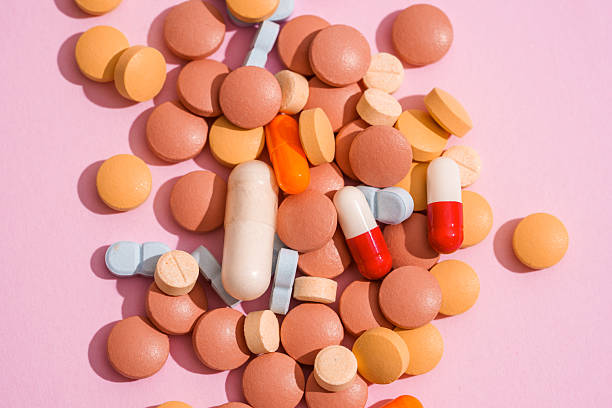
You might be wondering: can I just take a probiotic pill instead? Pills can help, but whole foods are usually better. That’s because fermented foods also have fiber, vitamins, and other good things that work together. Plus, they taste pretty good once you get used to them. Yogurt with fruit, a side of kimchi with eggs, or a pickle on a sandwich—these are easy ways to sneak in some gut-friendly bacteria.
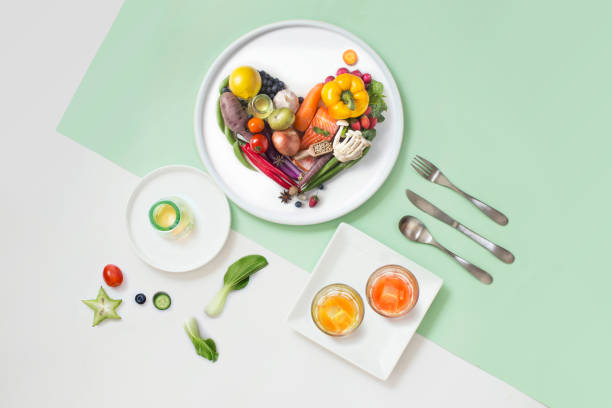
One last tip: pair your fermented foods with other healthy habits. Eat plenty of vegetables, drink water, get some sleep, and move your body a little. Think of your gut like a garden. The fermented foods are the seeds. The rest of your healthy habits are the sunlight and water. Together, they help your garden grow strong. A strong garden means fewer weeds—and for you, that means fewer anxious feelings.
So next time you’re in the grocery store, look for yogurt, kefir, kimchi, or sauerkraut in the refrigerated section. Check the labels to make sure they say “live cultures” or “naturally fermented.” That’s your sign that the good bacteria are still alive and ready to help. Start small, be patient, and let your gut do the rest. You might be surprised how much a little spoonful of fermented food can do for your calm.
Related Articles
Learn more about Food and Mood.