Fiber Is Your Gut’s Best Friend
Let’s break this down simple. Your gut is full of tiny living things. Some are good, some aren’t. When you eat fiber, you’re feeding good bacteria. They love fiber and eat it to make stuff your gut needs to stay healthy. When they get enough to eat, they grow. The bad bacteria don’t like fiber much. So they stay few. That’s a big win for your body.
Now here’s the cool part. Your gut and brain are connected by a nerve. It’s like a text line between belly and head. When good bacteria do well, they send friendly signals. Those signals tell your brain to make feel-good chemicals. One of those chemicals helps keep your mood steady. Most are made in your gut, not your brain. So what you eat has a direct effect on how your brain feels. A happy gut full of fiber-fed bacteria tells your brain all is well. That can really help lower anxiety.
But here’s the thing. Many folks don’t get enough fiber. It’s easy to skip when you eat fast food or sugary snacks. Those foods don’t do much for your gut bacteria. They might feed the bad ones. Over time, a gut without fiber gets out of balance. That can cause bloating, weird digestion, and a lower mood. And when you’re anxious, a grumpy gut makes things worse.
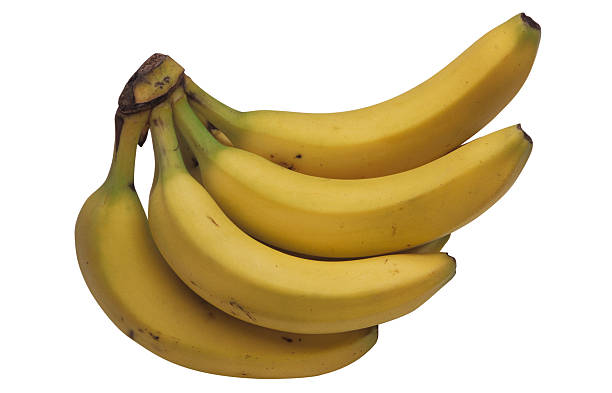
So what should you do? Start by adding more fiber to your meals. You don’t need to go crazy. Just make small changes. Try having an apple with peanut butter for a snack instead of chips. Add beans to your soup or salad. Swap white bread for whole wheat. Have some oatmeal in the morning. Bananas, carrots, and broccoli are all great options. The goal is to get fiber from real foods, not from a pill or a powder. Real food has other good stuff that works together.
One important tip: go slow. If you suddenly eat a huge bowl of beans when you’re not used to fiber, your gut might complain. That’s normal. Add fiber a little bit at a time. Give your body a chance to adjust. Drink plenty of water too. Fiber works best when it has water to help move things along. Think of fiber like a wet sponge. It needs water to do its job.
Personally, I like to keep it simple. A handful of almonds and an orange in the afternoon. That’s a solid fiber boost. Or a dinner with a big pile of roasted vegetables. It doesn’t have to be fancy. Just regular food that you already know how to make. The key is to make fiber a regular part of your day. Not just once in a while. Your gut bacteria like consistency. They want to know that a fresh meal with fiber is coming on the regular.
Another thing to remember: fiber isn’t a cure-all. You still need sleep, exercise, and ways to handle stress. But eating for your gut is a strong piece of the puzzle. When you take care of your gut, you’re taking care of your mood. It’s like giving your brain a supportive friend who says, “Hey, I’ve got your back.“ And with anxiety, having that support from the inside can feel really quite helpful.
So next time you’re at the store, grab some oats, oranges, or lentils. Your gut will thank you. And your anxiety might ease up a bit too. Give it a week or two. Notice how you feel. Many people say they feel calmer and more even-keeled when they eat more fiber. It’s not magic. It’s just science doing its thing through the food you eat. Simple, real, and right there on your plate too.
Related Articles
Learn more about Food and Mood.