Skip to Content

Finding a Therapist or Doctor Near You

Questions to Ask Before You Choose a Therapist Near You

Questions to Ask Before You Choose a Therapist Near You

When you feel anxious, making phone calls can feel like a lot.

How to Find a Therapist or Doctor Near You Who Fits

How to Find a Therapist or Doctor Near You Who Fits

Finding a therapist or doctor near you can feel like a big job.

How to Find a Therapist or Doctor Near You Without Getting Stuck

How to Find a Therapist or Doctor Near You Without Getting Stuck

When you decide you want extra help with worry, the next step can feel like a wall.

What to Say When You Call a Therapist Near You

What to Say When You Call a Therapist Near You

Calling a therapist can feel scary.
How to Make the First Call to a Therapist or Doctor Near You Without Feeling Overwhelmed

How to Make the First Call to a Therapist or Doctor Near You Without Feeling Overwhelmed

Looking for a therapist or doctor can feel like one more big task when you already feel anxious.

How to Make the First Call to a Therapist Near You

How to Make the First Call to a Therapist Near You

Calling a therapist can feel like a big step.
How to Make a Peer Support Group Feel Less Awkward and More Helpful

How to Make a Peer Support Group Feel Less Awkward and More Helpful

Walking into a room full of people you don’t know can feel like a lot.

How to Make a Peer Support Group Feel Safe and Useful

How to Make a Peer Support Group Feel Safe and Useful

A peer support group can be a simple thing: a few people who meet to talk about worry and stress, listen to each other, and share what helps.
How to Pick Self-Help Books and Audio That Actually Help With Anxiety

How to Pick Self-Help Books and Audio That Actually Help With Anxiety

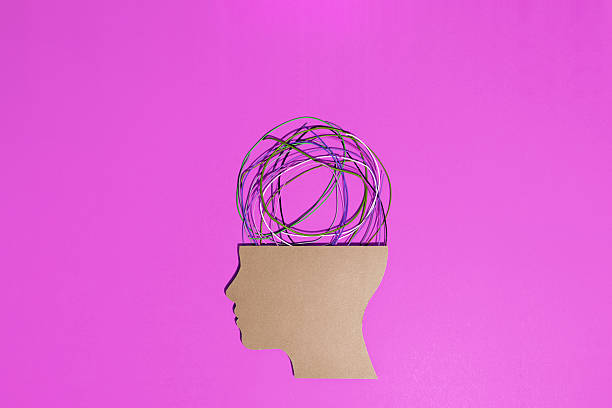
When your mind is running fast, it is easy to grab the first book or audio that says it will calm you down.

Fast-Acting Anxiety Medicine: Make a Plan Before You Need It

Fast-Acting Anxiety Medicine: Make a Plan Before You Need It

A fast-acting anxiety pill can feel like a fire extinguisher.

Quick Tips

What is a small experiment, and why is it better than just “facing your fear”?

A small experiment is a tiny, safe step you take to test a worry. Instead of jumping into the deep end and giving a big speech, you might just raise your hand to ask a one-sentence question in a meeting. This works better because it feels manageable. You’re not trying to be brave all at once. You’re just being a detective, gathering a little evidence to see if your fear is really true. It’s like dipping a toe in the water before you swim, which feels a lot less scary.

What should I actually do when I’m with them?

Be yourself and focus on enjoying the moment. You don’t always have to talk about your anxiety or deep problems. Often, the biggest relief comes from laughing, sharing a story, or talking about a common interest. If you are struggling, it’s okay to be honest and say, “I’ve been feeling really stressed, can I talk about it?“ But remember, it’s also powerful to just enjoy the distraction and positive feelings that come from a good, simple hangout with someone who gets you.

How often should I do this?

You can make it a regular habit, like a secret tool you always have with you. Try to do a super-quick check-in a few times a day, like before you eat a meal or after you finish a class. You don’t need to set aside special time. The more you practice, the easier it becomes to notice when your body is telling you that you’re getting anxious. This way, you can help calm yourself down before those feelings have a chance to grow too strong.

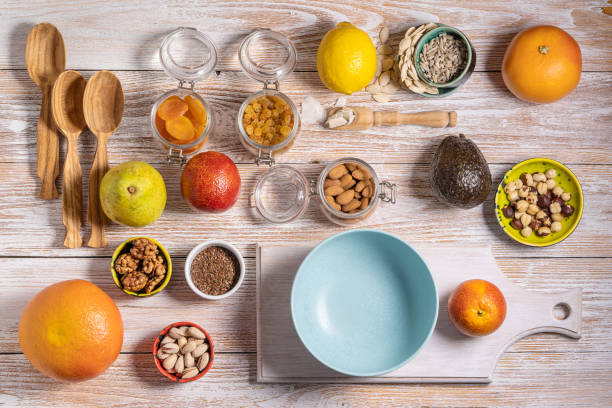
Can skipping meals make my anxiety worse?

Yes, absolutely. When you skip a meal, your blood sugar drops. This can trigger your body’s “fight or flight” response, making you feel jittery, irritable, and on edge. It’s a physical feeling that can easily be mistaken for or worsen anxiety. Eating regular meals and snacks acts like putting steady logs on a fire, keeping a constant, calm energy burning and preventing those panic-inducing dips in fuel that your body reacts to so strongly.

Will I start feeling sorry for everyone and feel worse?

This is a worry many people have, but the feeling is usually the opposite. While people do share struggles, the main focus is on support and hope. You’ll hear stories of people coping and getting better. You’ll see their strength, and it will help you find your own. Instead of feeling sad, you’ll likely feel empowered and less alone. It’s about lifting each other up, not dragging each other down. The shared understanding creates a positive and hopeful atmosphere.