Finding Calm in the Crowd: Strategies for Managing Overwhelm
The first and most crucial step is to cultivate self-awareness before even entering a crowded space. This begins with honest self-assessment. Are you already tired, hungry, or stressed? These factors significantly lower your threshold for overwhelm. Planning ahead can build a foundation of control. If possible, visit crowded venues during off-peak hours. Have a clear purpose for your visit—knowing exactly what you need to accomplish can provide a mental anchor. It is also wise to identify exit routes and quiet zones in advance; simply knowing that a side corridor or a less-populated store section exists can serve as a psychological safety net, reducing the fear of being trapped.
Once inside the crowd, your focus should shift to grounding techniques that tether you to the present moment and prevent your thoughts from spiraling. A powerful method is to engage your senses deliberately, but selectively. Instead of absorbing the chaotic sensory input all at once, choose one sense to focus on. Listen intently to a single conversation or a specific song playing in the distance. Study the details of an architectural feature or a product on a shelf. Feel the texture of your own clothing or a object in your pocket. This practice of selective attention creates a buffer between you and the environment, narrowing your focus from an overwhelming whole to a manageable part.
Simultaneously, regulating your body’s physiological response is essential. When overwhelmed, our breathing often becomes shallow, which can exacerbate feelings of panic. Consciously slow your breath, aiming for longer exhalations than inhalations. This simple act signals to your nervous system that it is safe to begin calming down. If possible, find a momentary physical anchor—lean against a wall, place your feet firmly on the ground, or hold onto a railing. This provides a sense of stability. For many, tactile tools like a stress ball or the smooth surface of a worry stone in a pocket can offer a discreet and comforting focal point.
Furthermore, do not underestimate the power of strategic disengagement. It is perfectly acceptable and often necessary to take a brief retreat. Excuse yourself to a restroom, step outside for a few minutes of fresh air, or find a quiet corner to simply regroup. This is not a defeat but a wise recalibration. If you are with a companion, communicate your feelings. A simple, “It’s a bit overwhelming in here, I just need a minute,” can be liberating and often leads to supportive understanding. If you are alone, using technology mindfully—putting in headphones with calming music or a familiar podcast—can create an auditory bubble, granting you a measure of control over your auditory space.
Ultimately, navigating overwhelm in crowded places is a skill built on compassion for oneself. It involves recognizing your limits without judgment and employing tools that reinforce your autonomy. By planning ahead, grounding yourself in the present, regulating your body’s responses, and permitting temporary retreats, you transform the crowd from a source of distress into a manageable environment. The goal is not to eliminate the feeling entirely, which may not be possible, but to develop the confidence that you possess the strategies to move through it, ensuring that your world does not shrink in fear of crowded spaces, but rather expands through your ability to cope with them.
Related Articles
Learn more about Your Surroundings and People.
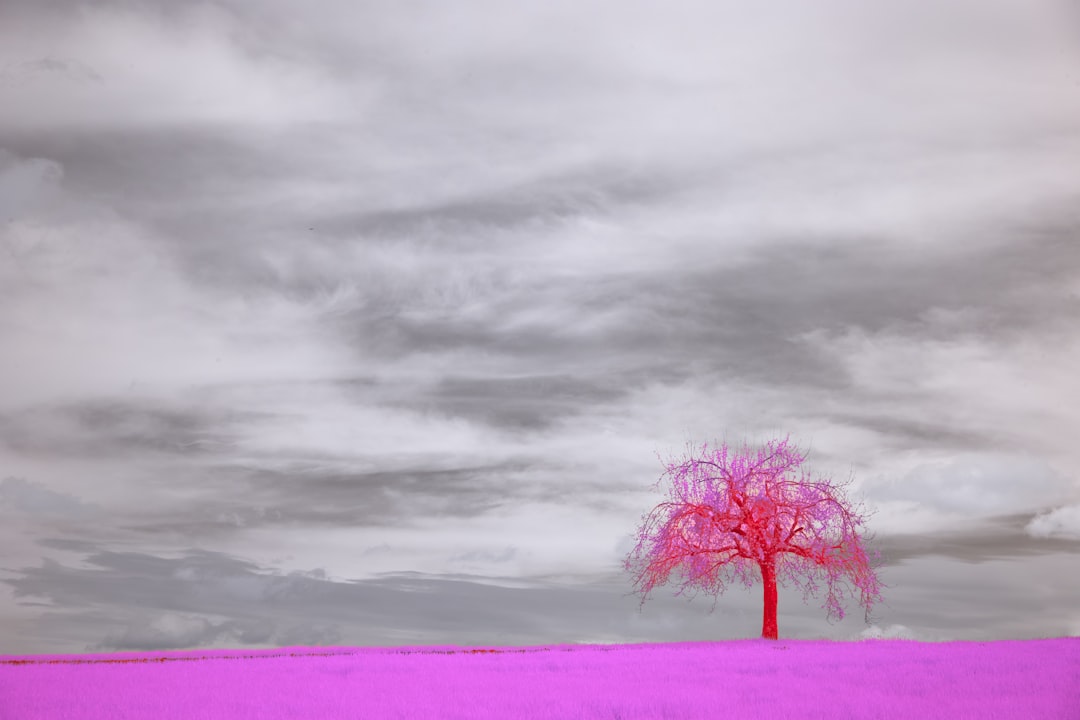
The Palette of Peace: How Colors Cultivate Calm in Your Space