Loading...
Skip to Content

Your Surroundings and People

Recent Articles
The Alchemy of Light: Crafting Peace Through Illumination

The quest for a peaceful room is often focused on furniture, color palettes, and decluttering.

The Best Medicine for a Worried Mind: Supportive Friends

We all get that worried feeling sometimes.

Understanding Social Anxiety: Why Interactions Can Heighten Our Worries

That sudden rush of self-consciousness at a party, the worry about saying something foolish in a meeting, or the simple dread of small talk in the grocery line—these experiences are nearly universal.

The Soothing Power of Passion: How Enjoyable Activities Quiet the Anxious Mind

In the relentless hum of modern life, worry often feels like a default setting.

Finding a Spark: A Guide to Discovering Hobbies When Motivation Is Low

The feeling of staring at a blank canvas of free time, unable to imagine what to paint upon it, is more common than you might think.

The Power of the Pause: A Quick Way to Calm Down in Stress

In the sudden heat of a stressful moment—a difficult conversation, a looming deadline, a surge of overwhelm—our bodies and minds can feel hijacked.

Simple and Meaningful Ways to Connect with the People You Care About

In the relentless rush of modern life, the intention to spend quality time with friends and family often gets lost amidst a sea of obligations.

How to Start a Break Without the Fear of Missing Out

The desire to step back—from work, social media, or the relentless pace of modern life—is often met with a visceral counter-force: the fear of missing out, or FOMO.
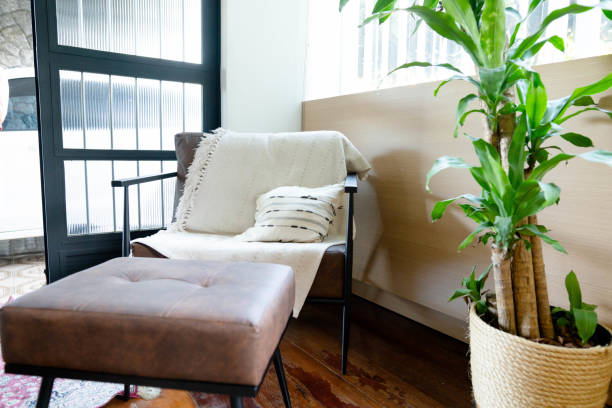
Engaging Your Senses for a More Relaxing Home

Our homes are our sanctuaries, the places we retreat to for comfort and reprieve from the world’s chaos.

The Palette of Peace: How Colors Cultivate Calm in Your Space

The quest for a peaceful room is a universal pursuit, a desire to carve out a sanctuary from the world’s clamor.

How Your Physical Environment Influences Anxiety Levels

The spaces we inhabit are far more than passive backdrops to our lives; they are dynamic participants in our mental well-being.

Quick Tips

How do I actually do belly breathing?

It’s easy to learn! First, find a comfortable place to sit or lie down. Put one hand on your chest and the other on your belly. Take a slow breath in through your nose, and try to make the hand on your belly rise while the hand on your chest stays mostly still. Then, breathe out slowly through your mouth, feeling the hand on your belly fall. Just focus on that slow, steady rhythm: belly up as you breathe in, belly down as you breathe out.

What is the main goal of this kind of therapy?

The main goal is to help you live your life fully, even when you have anxious thoughts. Instead of fighting your feelings or waiting for them to go away, you learn to let them be. This frees you up to focus on what truly matters to you. Think of it like learning to carry a noisy backpack—you don’t try to empty it, you just learn to walk with it so you can still go on the hike you wanted. You take charge of your actions, not your thoughts.

How heavy should my blanket be?

A good rule of thumb is to choose a blanket that is about 10% of your body weight. So, if you weigh 150 pounds, look for a 15-pound blanket. It should feel like a warm, steady hug—not like you’re pinned down. If it feels too heavy or makes you feel trapped, it’s probably not the right one for you. The goal is comfort, so trust your own feelings when you try it out.

Why should I cut down if these things help me relax in the moment?

It’s true, they can feel relaxing right away. But that feeling is temporary. For both alcohol and nicotine, your body quickly builds a tolerance. This means you need more and more to get the same calm feeling. In the long run, they can actually make your general anxiety much worse as your body becomes dependent on them to feel “normal.“ You end up on a rollercoaster of relief and craving, which is stressful in itself.

How long does it take to really change my thinking?

Be patient with yourself! Building a new thinking habit is like getting better at a sport or learning an instrument. You wouldn’t expect to be a pro after one day of practice. It might take a few weeks of consistently noticing your old thoughts and trying out new ones before the new way starts to feel more natural. The goal isn’t perfection; it’s progress. Every time you successfully challenge a worried thought, you are strengthening your new mental muscle and it will get a little bit easier over time.