How Your Physical Environment Influences Anxiety Levels
One of the most immediate ways space affects anxiety is through sensory input. Visual chaos, such as cluttered countertops, overflowing shelves, and disorganized workspaces, can create a sense of cognitive overload. The brain must process this excess stimuli, leading to feelings of being overwhelmed and out of control—a common trigger for anxiety. Conversely, a minimalist and orderly environment can promote a sense of calm and mastery. Similarly, auditory noise pollution from traffic, loud neighbors, or even a humming appliance can keep the body in a state of low-grade stress, preventing the nervous system from fully relaxing. The tactile quality of a space matters, too; a room that is uncomfortably hot, cold, or poorly ventilated can cause physical agitation that mirrors and fuels mental unrest.
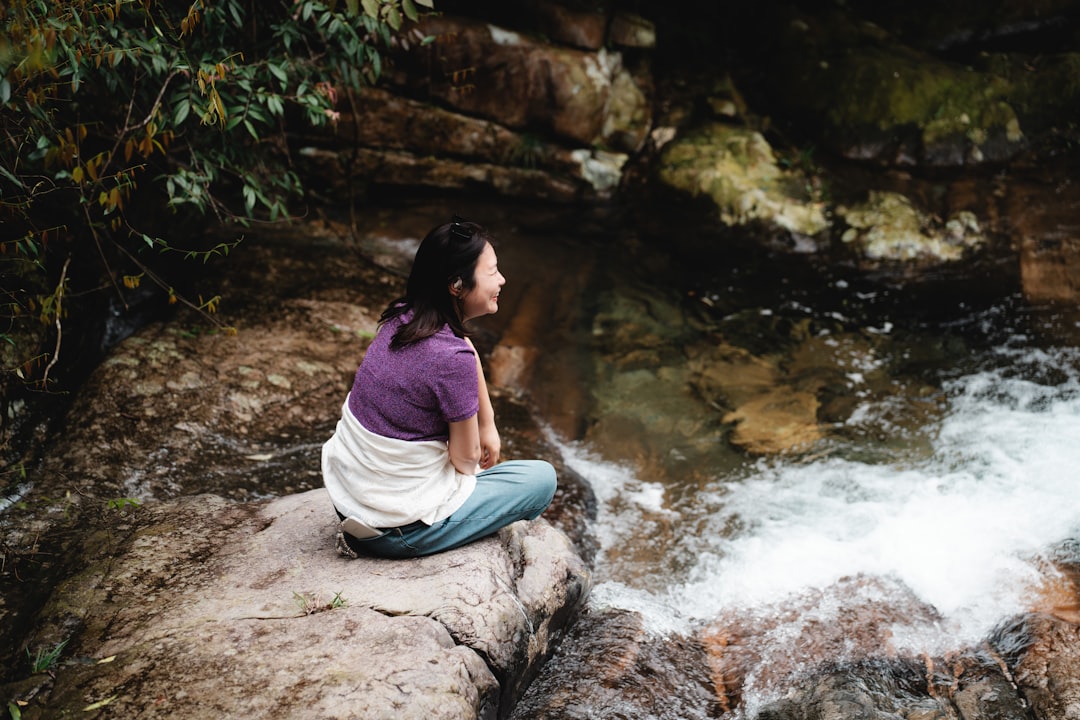
Lighting plays a critical and often underappreciated role. Harsh, fluorescent lighting can cause eye strain and headaches, contributing to irritability and tension. A perpetually dark space, on the other hand, can dampen mood and disrupt circadian rhythms, which regulate sleep and mood. Exposure to natural light, however, is a powerful antidote to anxiety. It helps regulate serotonin and melatonin levels, improving sleep quality and boosting mood. A room with a view of nature, or even access to ample sunlight, provides a psychological respite, offering the mind a chance to rest and restore.
The very layout and functionality of a space can induce or reduce anxiety. Environments that feel confining, with poor flow or no clear personal sanctuary, can evoke feelings of being trapped. The inability to find privacy in a shared or open-plan living situation can lead to a constant, low-level vigilance that is exhausting. Furthermore, spaces that are not tailored to their intended function—a kitchen where nothing is within reach, a home office constantly invaded by household chaos—create friction and frustration. This daily struggle against one’s environment erodes a sense of competence and peace, feeding anxiety through repeated micro-stressors.
Beyond the practical, the personal and symbolic meaning we attach to our spaces is powerful. A home filled with reminders of negative experiences or relationships can act as a trigger, constantly pulling the mind back into anxious thought patterns. Conversely, curating an environment with objects that bring joy, photos of loved ones, or colors that evoke calm (like soft blues and greens) can create positive associations and serve as anchors of safety. The ability to personalize and control one’s environment is, in itself, therapeutic. It reinforces agency—a crucial counter to the helplessness often felt with anxiety.
Ultimately, our physical spaces are extensions of our inner states, but they also hold the power to shape them. By becoming mindful of this relationship, we can take proactive steps to craft environments that support rather than sabotage our mental health. This does not require a full renovation but rather intentional adjustments: decluttering a corner, introducing a plant, adjusting lighting, or creating a dedicated calm corner. In consciously designing our surroundings for serenity and order, we send a steady, reassuring message to our anxious minds that here, in this space, we are safe. The journey toward managing anxiety often begins not just within ourselves, but in the very rooms we occupy.
Related Articles
Learn more about Your Surroundings and People.

Your Time Is Yours: How Setting Limits Lowers Anxiety
The Palette of Peace: How Colors Cultivate Calm in Your Space