How the Lights in Your Room Can Calm Your Anxiety
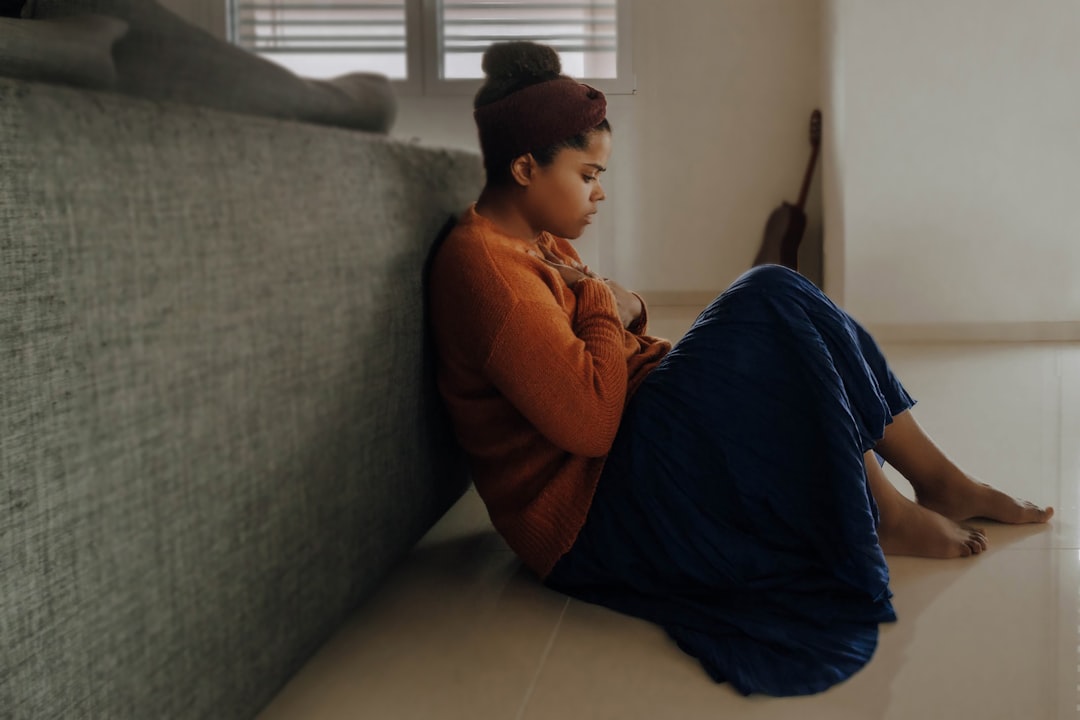
Think about a time when you were really stressed out. Maybe you had a tough day at school or work, and you just wanted to go home and crash. You walk into your room, flip on the big overhead light, and suddenly that bright white glare hits you. It feels harsh, almost like being in a doctor’s office. That kind of light can make your brain stay in alert mode. It tells your body it is still time to be awake and on guard. No wonder you feel more tense.
Now imagine coming into the same room and instead, you turn on a small lamp in the corner. The light is softer, warmer, and it glows instead of blasting everywhere. You feel your shoulders drop a little. Your breathing slows down. That is not just in your head. The color and brightness of light actually affect your nervous system. Warm, dim light sends a signal to your brain that it is safe to rest. Cool, bright light does the opposite. So if you want your room to be a peaceful place, start with what is up on your ceiling or sitting on your nightstand.
The first thing you can do is ditch the big overhead light as much as possible. Overhead lights are usually very direct and bright. They cast shadows that feel unnatural and can even give you a headache after a while. Instead, use lamps that sit on a table or the floor. Get a few of them so the light spreads out more gently. You want light that bounces off the walls, not light that shines right into your eyes. If you can, choose bulbs that have a warm tone. Look for words like soft white or warm white on the package. Avoid cool white or daylight bulbs for your room. Those are good for a garage or a workspace, not for a place where you want to chill out.
Another trick is to use lamps that let you change the brightness. A dimmer switch is awesome if you can install one, but you do not have to get fancy. You can just use a lamp with a pull chain that has three levels of brightness. Or get one of those plug-in dimmer things from the store. The idea is that you can turn the light down low in the evening, when your brain should be winding down for sleep. That low, warm light tells your body to start making melatonin, the chemical that helps you feel sleepy. It is like a gentle reminder to your whole system that it is time to relax.
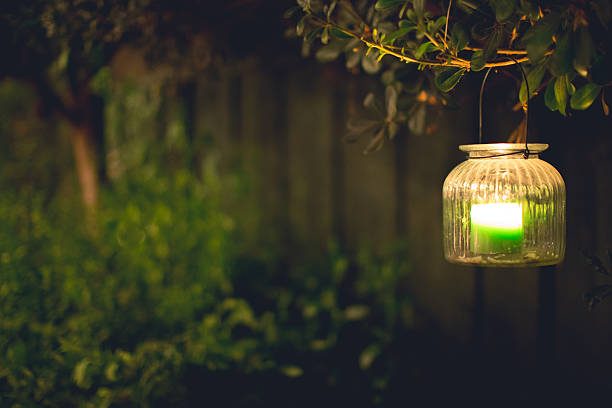
You might also want to think about where the light comes from. A lamp that is behind you or off to the side is way better than a light that is right above your head. If you read in bed, use a small reading lamp that points down at your book, not up at your face. That way the light is useful but not overwhelming. And if you like candles, go for it. Real candles or even battery-operated ones give off a warm flicker that is super calming. Just be safe with real flames.
What about natural light? That is actually really good for anxiety during the daytime. But when it is time to wind down, you want to be able to block it out. Thick curtains or blinds that make your room really dark can help you feel safe and cozy. You do not want streetlights or the sun waking you up too early. So having control over how much outside light comes in is a big part of making your room peaceful.
One more thing: try not to have a bright screen in your face right before you sleep. Phone screens and computer screens give off blue light, which is like a fake version of daylight. It tricks your brain into thinking it is still daytime and keeps you alert. If you use your phone in bed, turn on the night mode or use a blue light filter. Even better, switch to a paper book or a calm podcast instead. The less harsh light you see in the hour before bed, the easier it is for your anxiety to settle down.
You do not have to spend a lot of money to change your lighting. One simple lamp with a warm bulb can make a huge difference. The point is to give yourself a space that feels soft and gentle, not bright and demanding. Your room should be a place where your brain knows it can shut off the alarms. When you walk in, the light should tell you, You are safe now. You can rest. That kind of peaceful environment helps your anxiety melt away, one warm glow at a time.
Related Articles
Learn more about Your Surroundings and People.
The Alchemy of Light: Crafting Peace Through Illumination