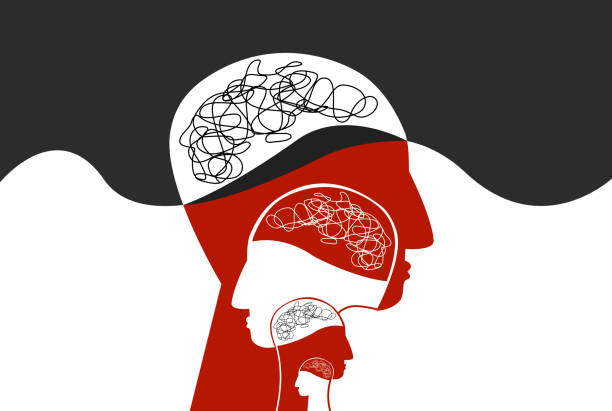
Finding Your People in an Anxiety Group
Joining a group with people who understand your anxiety might sound scary at first. You might think, “I don’t want to sit around and complain about my problems with strangers.“ That’s fair. Nobody wants to do that. But that’s not what these groups are about. They’re about connecting with people who speak the same emotional language you do. People who know what it feels like when your chest gets tight and your thoughts start spinning. People who don’t look at you like you’ve got three heads when you say you can’t go to the grocery store because it’s too overwhelming.
So what actually happens in a group like this? Usually, a small bunch of folks meet up, sometimes in a community center, a church basement, or even online. There’s a leader, but it’s not like a teacher talking at you. It’s more like a guide who keeps things moving. Everyone gets a turn to share if they want to. And here’s the secret: you don’t have to talk at all. You can just sit and listen. That’s totally allowed. In fact, listening is one of the best ways to start. Because when you hear someone else describe the exact same panic you feel, something clicks. You think, “Whoa, that’s me. They’re not weird. So maybe I’m not weird either.“
That feeling—not being weird—is huge. Anxiety makes you feel like you’re on an island by yourself. But in a group, you realize there’s a whole archipelago out there. People from all different walks of life. A mom who worries her kids will get sick. A college kid who can’t take a test without shaking. A retired guy who gets dizzy in crowded stores. And every one of them has their own way of coping. That’s the gold. Because you get to hear what actually works for real people, not just advice from a book.
For example, one person might say, “I carry a small smooth stone in my pocket. When I feel panic coming, I rub it and count the seconds until it passes.“ Another might say, “I name my anxiety Bob. When Bob starts talking, I tell him to shut up because I’m busy.“ Those little tricks sound silly, but they work for somebody. And maybe you’ll hear one that works for you too. You might also pick up practical things. Like how to breathe slow enough to calm your body. Or how to make a plan for when a panic attack hits in public. Or how to tell a friend or family member what you actually need when you’re struggling. These are skills you can’t learn from a lecture. You learn them by hearing stories from people who’ve been where you are.
Another big thing about being in a group is that it gives you a chance to help other people. That might sound backwards if you’re the one needing help. But when you share your story and someone else says, “I feel the exact same way,“ you just did something powerful. You made them feel less alone. And that makes you feel less alone too. It’s a win-win. Plus, helping someone else takes the spotlight off your own worry for a little bit. That break can be a relief.
Now, I’m not going to lie. The first time you walk into a group, it’s going to be awkward. You’ll probably want to bolt. That’s your anxiety talking. It hates new situations. But give it a few meetings. Let yourself sit in the back. Nod when someone says something you relate to. Maybe after a while, you’ll say one thing. That one thing might be the start of something better. Because here’s what I know: the people in that room have felt the same fear you’re feeling right now. And they showed up anyway. That doesn’t make them brave. It makes them human. Just like you.
So if you’re tired of dealing with anxiety on your own, think about finding your people. A group won’t fix everything overnight. But it can give you a place where you don’t have to pretend. Where you can say, “Today was rough,“ and nobody tries to cheer you up with a fake smile. They just nod. Because they know. And sometimes, that’s exactly what you need—a room full of people who get it, sitting next to you, not going anywhere.
Related Articles
Learn more about Getting Extra Help.

What to Do When Nervousness Silences You in Group Settings
How to Stop Wrestling with Your Worries and Start Moving Forward