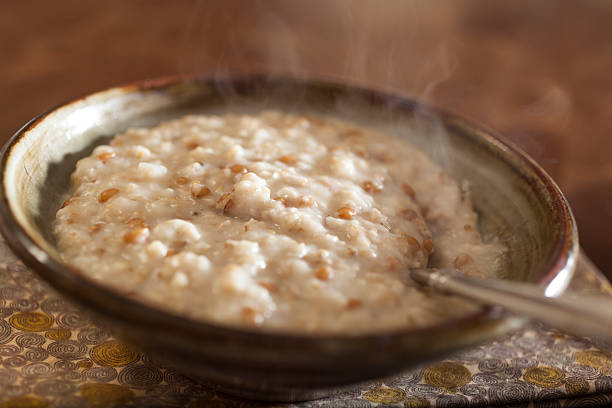
How a Bowl of Oatmeal Can Help You Feel Calmer
Let’s start with the obvious: oatmeal is warm and soft. That alone can make you feel a little safer, a little more grounded. There’s a reason people reach for soup when they’re sick or mac and cheese when they’re sad. Warm foods send a signal to your body that everything is okay. But oatmeal has some actual science behind it too, not just fuzzy feelings.
Oatmeal is packed with something called complex carbohydrates. Don’t let the fancy word throw you. “Complex” just means these carbs take a while for your body to break down. That’s good because it means your blood sugar stays steady. When your blood sugar drops too fast, you can get jittery, irritable, and on edge—like your nerves are standing on their tiptoes. Oatmeal prevents that crash. It gives you a slow, steady release of energy, which keeps your mood even and your anxiety from spiking.
Another big player in oatmeal is magnesium. You might have heard that magnesium helps with sleep or muscle relaxation. That’s because it actually calms down your nervous system. Think of magnesium as the off switch for your stress response. When you’re anxious, your body is stuck in “go” mode. Magnesium helps bump you into “rest” mode. A bowl of oatmeal gives you a nice little dose of that. Plus, it helps regulate your blood pressure, which can go up when you’re stressed.
There’s also a special kind of fiber in oatmeal called beta-glucan. That’s a real science word, but all you need to know is this: it feeds the good bacteria in your gut. You might be thinking, “What does my gut have to do with my anxiety?” A lot, actually. Your gut and your brain talk to each other all day long. When your gut is happy and full of healthy bugs, it sends calming signals to your brain. When it’s upset or out of balance, it can make your brain feel frantic. By eating oatmeal, you’re basically giving your gut a hug, and your brain feels that hug too.
Oatmeal also helps with making serotonin. Serotonin is the chemical that makes you feel content, happy, and relaxed. Most people think serotonin comes from your brain, but actually most of it is made in your gut. To make serotonin, you need an amino acid called tryptophan (yes, the same stuff in turkey that makes you sleepy). Oatmeal has a decent amount of tryptophan. And because oatmeal is a complex carb, it helps that tryptophan get into your brain faster. Without the carb, the tryptophan would just float around and not do much. So oatmeal is like the delivery truck that gets the chill chemicals to where they need to go.
The best part is you can make oatmeal your own. If you want to double down on the calming effect, add a drizzle of honey or a handful of blueberries. Honey gives you a tiny bit of natural sweetness that can curb sugar cravings (which often spike anxiety). Blueberries are full of antioxidants that help lower inflammation in your body. Inflammation is linked to anxiety and depression, so fighting it with berries is smart. You could also add a sprinkle of cinnamon. The smell alone can make you feel cozy, and cinnamon helps keep your blood sugar stable.
Now, a heads-up: instant oatmeal packets are not your friend here. Most of them are loaded with extra sugar and fake flavors that can mess with your blood sugar and actually make you more anxious later. Go for rolled oats or steel-cut oats. They take a few more minutes to cook, but you can make a big batch on Sunday and heat it up during the week. Or just boil water, pour it over oats, and let it sit for a few minutes. That’s all it takes.
Eating oatmeal won’t magically erase your anxiety. Nothing does that. But it’s a small, cheap, easy thing you can do to take the edge off. When you’re feeling tense, your body needs something gentle, not a fight. Oatmeal is gentle. It doesn’t shout at your system. It whispers, “Hey, you can relax now. We’ve got this.” So next time your mind is buzzing and you don’t know what to do, make yourself a bowl. Sit down with it. Eat it slow. Let the warmth do its job. You might be surprised at how much better you feel.
Related Articles
Learn more about Food and Mood.

Your Brain Runs on Fat: Here’s How to Feed It
Why a Warm Bowl of Oatmeal Can Help You Unwind