How Belly Breathing Talks to Your Nerves
When you get anxious, your body thinks it needs to get ready to run from a tiger. Your breathing gets fast and shallow. Your heart speeds up. Your muscles tense. This is called the fight-or-flight response, and it is a built-in survival tool. But in modern life, the tiger is usually a test, a conversation, or a worry about tomorrow. Your body does not know the difference. So you need a way to tell it, “Hey, we are safe now. You can chill out.” That is where belly breathing comes in.
Belly breathing is not some weird trick. It is how you were born to breathe. Watch a baby sleep. Their little belly goes up and down, not their chest. That is natural. But as we grow up, we learn to hold our stomachs in and breathe from our chests. That shallow chest breathing actually keeps your alarm system switched on. It sends a signal to your brain that something is wrong. But when you breathe deep into your belly, you send the opposite signal. You tell your brain, “Everything is fine. No tiger here.”
Here is the surprising part. Your breath and your heart talk to each other constantly. They have their own private conversation. When you breathe in, your heart speeds up just a tiny bit. When you breathe out, your heart slows down. This happens every single time you take a breath. Most people never notice it. But you can use this rhythm to calm your whole body down. The trick is to make your exhales longer than your inhales. When you stretch out that slow, steady breath out, your heart gets the message to slow down more. It is like turning down the volume on your alarm system, one exhale at a time.
Think of it like a swing set. Your breath pushes the swing one way, and your heart swings the other way. They work together. When you breathe slowly and deeply, the swing moves gently. When you breathe fast and shallow, the swing jerks around. You get to decide how big the swing goes. By focusing on your belly rising and falling, you take control of that swing. You are not fighting your body. You are working with it.
I have tried this myself when I felt a panic attack coming on. My chest was tight. My thoughts were spinning. I remembered to put my hand on my belly and breathe so that my hand moved up and down. I counted to four on the inhale, then to six on the exhale. It felt weird at first. But after about ten breaths, my heart stopped pounding. My shoulders dropped. My mind quieted down. It was not magic. It was just my body finally getting the memo that we were not in danger.
The science behind this is simple. Your lungs are connected to a nerve called the vagus nerve. That nerve travels from your brain down to your belly, touching your heart and your stomach along the way. When you breathe deeply, you stretch that nerve. That sends a message to your brain to release chemicals that calm you down. It is like hitting a brake pedal for your nervous system. You cannot force yourself to relax by thinking about it. But you can use your breath to physically push the brake.
Do not worry about doing it perfectly. Sometimes you will forget. Sometimes your mind will wander. That is fine. Just notice and go back to your belly. You can practice anywhere. Lying in bed. Sitting at a desk. Waiting for the bus. No one has to know you are doing it. It is your own quiet secret weapon.
Belly breathing is not about emptying your mind or being zen. It is just a tool. A simple, physical way to turn down the volume on that alarm system. Your body is listening. All you have to do is breathe.
Related Articles
Learn more about Calming Your Body's Alarm System.
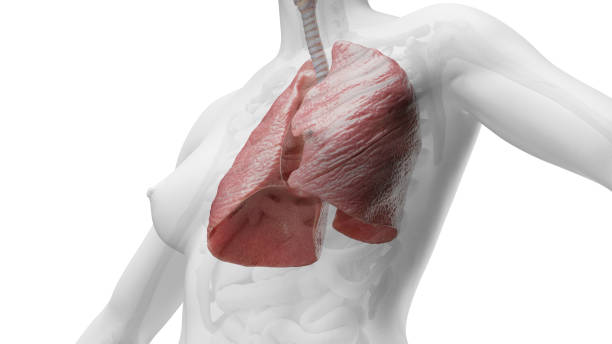
The Power of Belly Breathing: A Simple Practice with Profound Effects

When Your Inner Alarm Feels Overwhelming: A Guide to Seeking Calm