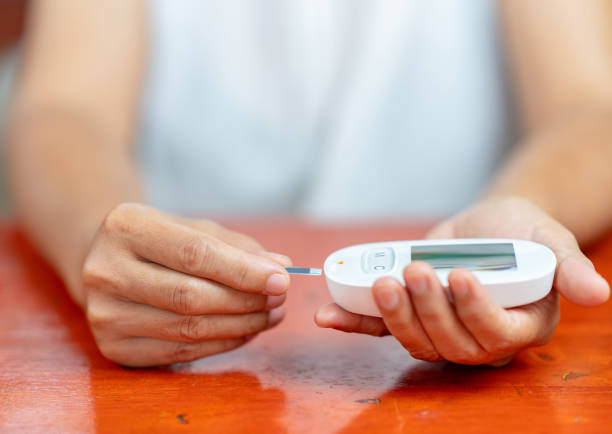
How Blood Sugar Ups and Downs Affect Your Anxiety
Here’s the simple version of what happens inside your body. When you eat food, your body breaks it down into sugar, which gives you energy. That sugar goes into your blood. If you eat something that’s mostly sugar or refined carbs, like a candy bar or a big bowl of pasta, your blood sugar shoots up fast. Your body then releases a bunch of insulin to shove that sugar out of your blood and into your cells. But sometimes it overdoes it, and your blood sugar drops way too low. That crash is what makes you feel awful, shaky, irritable, and anxious.
Now imagine that happening a few times a day. Your body is basically riding a roller coaster of high energy and then a sudden drop. And that drop triggers your body’s emergency system, the part that makes you feel like you’re in danger. Your heart pounds. You get lightheaded. You start worrying. Sound familiar? For many people, these blood sugar crashes are mistaken for anxiety attacks. The feelings are almost identical.
So if you’ve been dealing with anxiety and nothing seems to help, it might be worth looking at what you’re eating and when. That’s where a nutrition expert comes in. A nutrition expert, sometimes called a dietitian or a nutritionist, is someone who understands how food affects your body and your mood. They can help you figure out if your blood sugar is doing the wave when you need it to stay calm.
Here are a few things a nutrition expert might tell you to try. First, eat regular meals. Don’t skip breakfast, lunch, or dinner. Going more than four or five hours without food is like asking your blood sugar to crash. Second, put some protein and fat on your plate. Protein and fat slow down how fast sugar enters your blood. So instead of a big spike and crash, you get a slow, steady release of energy. Third, pair your carbs with protein. If you want a piece of fruit, eat it with a handful of nuts or some cheese. That keeps your blood sugar from jumping too high.
Another big one is fiber. Foods like oatmeal, beans, vegetables, and whole grains are full of fiber. Fiber acts like a sponge. It soaks up the sugar and lets it into your blood slowly. That means no sudden high, no sudden low. Just steady fuel for hours. And when your blood sugar is steady, your mood tends to be steady too.
A nutrition expert can also help you figure out if you have any food sensitivities or if you’re missing certain nutrients that help your body handle stress. For example, magnesium is a mineral that helps calm your nerves. It’s found in spinach, almonds, and dark chocolate. Not getting enough can make you feel more on edge. Vitamin B is another one. It helps your body make energy and can affect your mood. A nutrition expert can look at what you’re eating and tell you if you’re missing something important.
Now, I’m not saying that anxiety is all in your diet. Anxiety can be caused by lots of things, like stress, genetics, or life situations. But changing what you eat is one of the easiest things you can control. And it doesn’t have to be complicated. You don’t need to start a crazy diet or give up all your favorite foods. You just need to be a little smarter about when and how you eat.
Start paying attention to how you feel after meals. Do you feel calm and steady, or do you get a burst of energy followed by a crash and a wave of worry? If it’s the second one, try making small changes. Eat a balanced breakfast. Have a snack between lunch and dinner that has some protein. Drink water. Dehydration can also make your blood sugar act funny.
Seeing a nutrition expert is not a sign that you’re broken or that you need to be fixed. It’s just another way to get extra help. You wouldn’t try to fix a car engine without a mechanic, right? And your body is a lot more complicated than an engine. So give yourself permission to ask for help with the fuel you’re putting in.
To wrap it up, the connection between what you eat and how you feel is real. Blood sugar spikes and crashes can mimic anxiety and make existing anxiety worse. A nutrition expert can help you smooth out that roller coaster so your body stays calm and steady. That’s one more tool in your toolbox for feeling better.
Related Articles
Learn more about Getting Extra Help.


How a Group of People Who Understand Anxiety Can Change Things for You