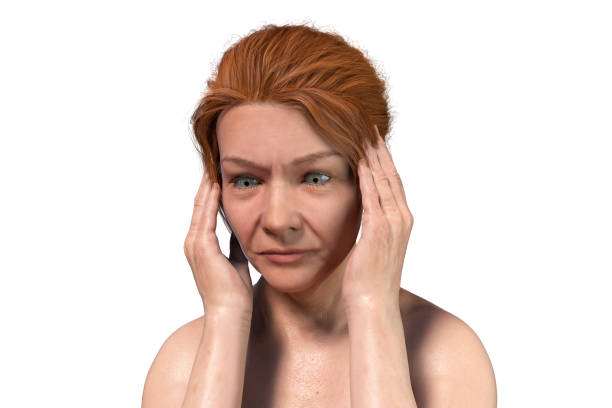
How Cold Water Calms Your Racing Heart
I’m not talking about taking a full ice bath. That’s for athletes and people who really hate being comfortable. I’m talking about something you can do right now, in your kitchen or bathroom, with nothing but a faucet and a sink. The idea is simple: cold water shocks your system in a good way. It yells at your body’s alarm to pipe down.
Here’s what happens when you splash cold water on your face. Your heart is thumping away, your breathing is shallow, and your mind is spinning. Your body thinks it needs to fight or run away. But then—ice cold water hits your cheeks and forehead. Your body flips a switch. It starts a reflex that scientists call the mammalian dive reflex, but you don’t need to remember that fancy name. All you need to know is that your body was built for this. When you’re underwater and cold, your heart automatically slows down to save oxygen. Your blood vessels in your face and arms tighten up to push blood toward your brain and heart. That’s your body’s way of saying, “Okay, we’re not fighting a bear. We’re just in cold water. Chill out.”
And it really works. Within seconds, your heart rate can drop. Your breathing starts to slow. You might even feel a little dizzy relief, like someone just loosened a belt around your chest. That’s the reset. Your alarm system stops screaming, and your brain gets a message: “We’re safe now. We can calm down.”
Let me walk you through exactly how to do it, because there’s a right way and a not-so-great way. First, don’t try this when you’re already at a 10 out of 10 panic. If you’re hyperventilating or feel like you might pass out, get someone to help you. But for that everyday anxious feeling that makes your stomach twist and your palms sweat, this is perfect.
Head to a sink. Turn the faucet to the coldest setting. Don’t wimp out and make it lukewarm. Cold. You want it cold enough that it makes you flinch. Test it on your wrist first. If it stings a little, that’s the good stuff. Now, cup your hands together and scoop up some water. Bend over the sink and splash it over your whole face—forehead, cheeks, nose, chin. Don’t just dab. Go for it. Do that three or four times. After each splash, stand up straight and take a slow breath in through your nose and out through your mouth. Notice how the cold feels. It’s like a clean sheet on a hot night. It wakes you up, but in a gentle way.
You can also try holding your breath for a few seconds after the splash. Don’t push it—just a short hold, like you’re about to dive into a pool. That helps kick the reflex into gear. Repeat the whole thing two or three times if you need to. By then, you’ll probably notice your heart isn’t racing anymore. Your shoulders might drop from up near your ears. Your mind feels a little clearer. That’s the reset.
I’ve used this trick in all kinds of situations. Before a big talk at work. After a scary phone call. Even right before bed when my brain won’t stop spinning. It’s not a cure for anxiety—you can’t splash your face and make all your problems disappear. But it is a tool. It buys you a few minutes of calm so you can think straight. Sometimes that’s all you need to get through the next hour.
A few things to keep in mind. If you have a skin condition like rosacea or eczema, cold water might irritate your face. Test it gently. Also, don’t do it so much that you get a headache from the cold. Moderation is key. And if you’re somewhere without a sink—like in a car or at a park—you can use a cold water bottle. Pour some on a napkin or even your shirt sleeve and press it against your cheeks and the back of your neck. That works too.
The main point is this: your body’s alarm system is powerful, but it’s not the boss of you. You have the power to press reset. A splash of cold water is one of the fastest, cheapest ways to do it. No pills, no apps, no fancy equipment. Just you, a faucet, and a moment to breathe. Next time your heart starts racing for no good reason, walk to the sink. Turn on the cold. And give yourself a break.
Related Articles
Learn more about Calming Your Body's Alarm System.
When Your Inner Alarm Feels Overwhelming: A Guide to Seeking Calm

Your Senses and the Hug: How Weighted Blankets Quiet the Noise