How Eating Dark Chocolate Can Help Calm Your Nerves
Let’s start with what dark chocolate has inside it that makes such a difference. First, it’s packed with magnesium. Magnesium is a mineral that your body uses to keep your muscles loose and your nervous system chill. When you’re stressed, your body burns through magnesium faster, and if you run low, you can feel even more wound up and jittery. Eating a little dark chocolate gives your body a fresh supply of that calming mineral. It’s like giving your muscles permission to unclench.
Another big player in dark chocolate is something called flavanols. These are natural compounds that help your blood vessels relax and open up. That means better blood flow all over your body, including to your brain. When blood moves easier, your blood pressure can drop a little, and your heart doesn’t have to work as hard. That physical relaxation sends a signal to your brain that says, “Hey, it’s okay, we can slow down now.” You might not notice it happening, but your body definitely does.
Dark chocolate also affects the chemicals in your brain that control your mood. It contains small amounts of a substance that your brain uses to make serotonin. Serotonin is often called the “feel-good” chemical because it helps you feel calm, happy, and steady. When you eat a piece of dark chocolate, your brain gets a little bump in the raw ingredients it needs to keep your mood balanced. Plus, dark chocolate has a tiny bit of caffeine, just enough to sharpen your focus without making you jittery. So instead of the wired-and-tired feeling you might get from coffee, dark chocolate gives you a gentle lift that actually helps you settle.
But here’s the most important part: you don’t need to eat a whole bar to get these benefits. In fact, eating too much can backfire because sugar and dairy can stir up anxiety for some people. That’s why you want to pick dark chocolate that has at least seventy percent cocoa. The higher the cocoa content, the more of the good stuff you get and the less sugar you’re taking in. A serving size is about an ounce, which is a couple of small squares. That’s enough to give your body the magnesium and flavanols it needs without overloading on sugar.
Think of dark chocolate as a small tool in your relaxation toolkit, not a fix for everything. It works best when you eat it slowly, letting it melt on your tongue. Take a moment to really taste it. That mindful pause itself can help lower anxiety because it forces you to stop rushing for a few seconds. Combine that with the physical effects of the chocolate, and you’ve got a double dose of calm.
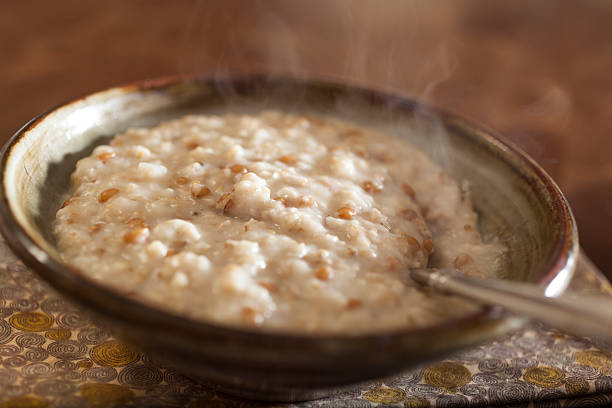
You can also pair dark chocolate with other relaxing foods. For example, a few dark chocolate chips mixed into a bowl of warm oatmeal makes a cozy evening snack that helps you wind down. Or you can melt a square into a cup of warm milk for a homemade hot cocoa that skips the sugary powders. The key is to keep it simple and treat it like a gentle helper, not a cure.
Some people worry that chocolate is bad for them because they’ve heard it’s unhealthy. But real dark chocolate, the kind with very little sugar and no weird additives, is actually a pretty good food for your mood. It gives you antioxidants that fight inflammation in your body, too, and inflammation has been linked to feeling down and anxious. So while dark chocolate won’t erase a panic attack or fix deep stress, it can absolutely help take the edge off a tense day.
If you’re trying to lower your anxiety through food, adding a small daily piece of dark chocolate is an easy and tasty step. It’s not magic, but it’s real. Your body gets minerals, your brain gets a mood lift, and you get a moment of calm. That’s a pretty good deal for something that tastes like a treat.
Related Articles
Learn more about Food and Mood.
Bananas: A Simple Fruit That Can Help You Chill Out

Why Your Belly Bugs Want You to Eat Fermented Foods