How Magnesium Glycinate Can Help You Relax
First, a little bit about magnesium itself. It’s a mineral your body already uses for hundreds of jobs, like keeping your heartbeat steady, helping your muscles contract and relax, and supporting your nerves to send signals properly. When you’re low on magnesium, your body can’t do those jobs as smoothly. That can show up as muscle cramps, trouble sleeping, a fast heartbeat when you’re not doing anything scary, or just feeling more on edge than usual. Many people don’t get enough magnesium from food alone, especially if they eat a lot of processed stuff or drink a lot of caffeine or alcohol, which can drain magnesium out of your system.
So taking a magnesium supplement can help fill that gap. But here’s the catch: magnesium comes in different forms that are attached to different molecules. Those molecules change how your body absorbs the magnesium and how it affects you. For example, magnesium oxide is cheap and common in stores, but it’s not very easy for your body to soak up, and it can cause loose stools or stomach upset. Magnesium citrate is better absorbed, but it can still have a laxative effect if you take too much. Neither of those is great if you’re trying to relax.
That’s where magnesium glycinate shines. In this form, magnesium is bound to the amino acid glycine. Glycine is a calming amino acid all by itself. It helps your nervous system settle down and can even improve your sleep quality. So when you take magnesium glycinate, you’re getting two things at once: the mineral that helps muscles relax and the amino acid that tells your brain it’s okay to slow down. That’s why people often describe it as the “chill pill” of supplements.
People who take magnesium glycinate for anxiety often notice a few things. First, it doesn’t hit you like a sedative or make you feel drugged. Instead, it’s subtle. You might start to feel your shoulders drop a little lower after about thirty minutes to an hour. If you take it before bed, you may find it easier to drift off to sleep and stay asleep through the night. Some folks with restless legs or nighttime twitching say it helps quiet those annoying movements. For daytime anxiety, taking a dose in the morning or afternoon can take the sharp edge off that feeling of being wired and tired.
It’s also a good choice if your stomach is sensitive. Because the glycine helps carry the magnesium into your cells more efficiently, you don’t need as large a dose to get results. That means less chance of digestive trouble. Many people who can’t handle other forms of magnesium find magnesium glycinate easy on their gut.
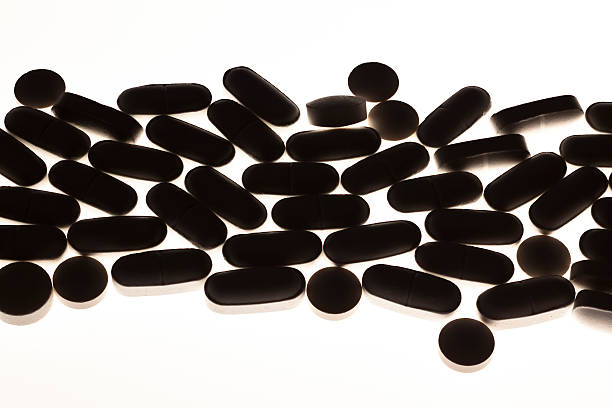
Now, a word on how much to take. Everyone’s body is different, but a common starting point for relaxation is around 200 to 400 milligrams of elemental magnesium from magnesium glycinate per day. That might mean two or three capsules, depending on the brand. The bottle will tell you how much elemental magnesium is in each serving. It’s smart to start with a lower amount, see how you feel after a few days, then slowly increase if you want more effect. And it’s always a good idea to check with a doctor before starting any new supplement, especially if you have kidney issues or take other medicines.
One more thing: magnesium glycinate isn’t a magic wand. It won’t make your stressful boss disappear or solve the problem that’s keeping you up at night. But it can give your body a better chance to handle stress by keeping your nervous system from staying in high alert mode all the time. Think of it as giving your brain and muscles a little extra cushion against the bumps of the day.
If you’re already trying other things like deep breathing, going for walks, or cutting back on caffeine, adding magnesium glycinate can be a simple, low-key way to support those efforts. It doesn’t have any weird side effects for most people, it’s easy to find online or at health stores, and it’s not expensive compared to a lot of trendy supplements.
So if you’re looking for a gentle helper that works with your body instead of against it, magnesium glycinate might be worth a shot. Start low, go slow, and pay attention to how you feel. Your shoulders might just thank you.
Related Articles
Learn more about Helpful Supplements.

A Gentle Kind of Magnesium That Calms Your Nerves