How Magnesium Helps Calm Your Anxiety
The good news is that your body has an off switch for that stress response. It just needs the right tools to flip it. One of the most powerful tools you can give your body comes from the food you eat. It is a simple mineral that most people do not get enough of. It is called magnesium.
Think of magnesium as your body’s built-in chill pill. But it is not a drug. It is a nutrient. Every single cell in your body uses magnesium to do its job. But when it comes to anxiety and stress, magnesium does two major things. First, it stops your brain from releasing too much of the stress hormone called cortisol. When you are stressed, your body pumps out cortisol to keep you alert. That is good if you are being chased by a bear. It is terrible if you are just trying to get through a workday or fall asleep at night. Magnesium acts like a safety valve. It tells your body, “Okay, the danger is gone. You can relax now.“
Second, magnesium helps your nervous system work properly. Your brain and your nerves talk to each other using electrical signals. Magnesium helps control those signals so they do not fire too fast. When you are low on magnesium, your nerves can get overexcited. That overexcitement feels like anxiety. It feels like restlessness. It feels like you cannot sit still or like your thoughts are jumping all over the place. Getting enough magnesium helps your nerves settle down, so your brain can actually hit the brakes and let you feel calm.
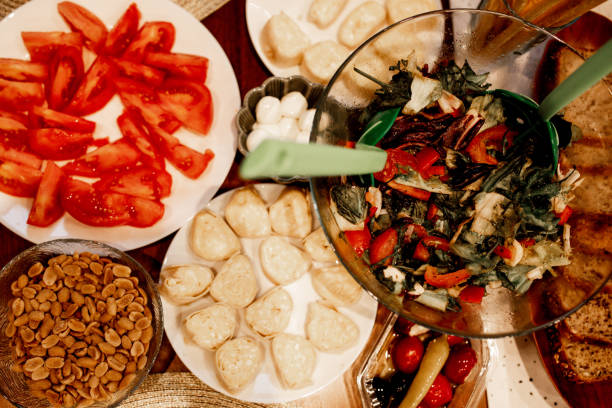
So how do you get more magnesium into your body? The best way is through real food. You do not need expensive supplements or fancy powders. You just need to eat the right things. Some of the easiest foods to find are leafy green vegetables like spinach and kale. A big bowl of cooked spinach has a surprising amount of magnesium. You can throw a handful into your morning eggs or blend it into a smoothie. You will not taste it, but your body will thank you.
Another great source is pumpkin seeds. You can buy them raw at the grocery store. A small handful is an easy snack, and you can sprinkle them on top of salad or oatmeal. They have a nice crunch and are packed with magnesium. Almonds are another winner. A few almonds in the afternoon can keep your blood sugar steady and give your body that calming mineral it needs.
But maybe the tastiest source of magnesium is dark chocolate. Look for chocolate that has at least seventy percent cocoa. It is rich and a little bitter, but it is a powerful food for your mood. A square or two of dark chocolate is not a treat you need to feel guilty about. It is actually a dose of medicine for your nervous system. It can help lower your stress hormones and make you feel a little more relaxed.
There is also one simple thing you can do that is not about eating. You can take an Epsom salt bath. Epsom salt is not a salt you eat. It is a form of magnesium that absorbs right through your skin. If you are feeling super tense and wound up, draw a warm bath, pour in a cup of Epsom salt, and soak for twenty minutes. It will help your muscles loosen up, and your mind will start to slow down almost by itself.
Here is what you need to remember. If you are struggling with anxiety, your body might just be low on magnesium. Stress itself burns through magnesium like crazy. So the more stressed you are, the more magnesium you need. But if you do not replace it, you end up in a loop. Stress depletes your magnesium, and low magnesium makes you feel more stress. Eating magnesium-rich foods is one of the simplest ways to break that loop.
You do not have to overhaul your entire diet overnight. Just start small. Eat a handful of almonds in the afternoon. Put some spinach in your sandwich. Have a square of dark chocolate after dinner. Your body will start to get the signal that it can relax. Over time, that jittery, wound-up feeling will start to soften. You will still feel stress sometimes, but you will have a way to come back down. That is the power of food. It is quiet. It is simple. And it works.
Related Articles
Learn more about Food and Mood.