How Splashing Cold Water on Your Face Can Shut Down a Panic Attack
Here’s the thing: you can hit the reset button on that alarm. And one of the fastest, cheapest, and easiest ways to do it is with cold water. Yes, plain old tap water. Straight from the faucet.
Let me explain how this works without getting all science-y. Your body has a special reflex called the mammalian dive reflex. It’s something all mammals have, including you. When your face touches cold water, especially around your nose and eyes, your body gets a very clear message: “Hey, we’re underwater. Stop panicking and start saving oxygen.” So your heart rate slows down. Your blood vessels in your arms and legs tighten up to send blood to your brain and heart. Your whole system shifts from “freak out” mode to “calm down” mode. It’s like flipping a switch.
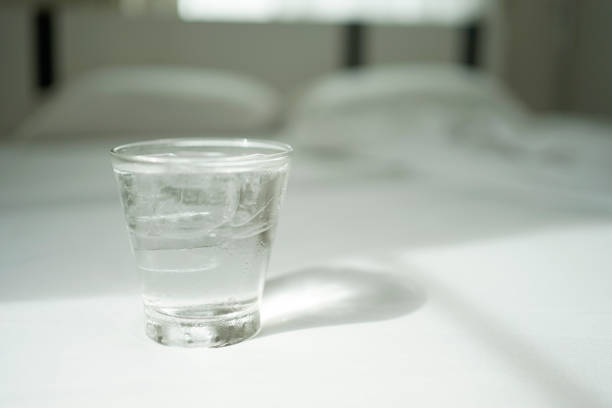
You don’t need an ice bath or a fancy cold plunge pool. You don’t need to join a wellness retreat or buy a special gadget. You just need a sink. Or a bowl. Or a water bottle. Next time you feel that wave of anxiety coming on—your chest tightens, your breathing gets shallow, your mind spins—go to a bathroom or kitchen sink. Turn on the cold water. Wait until it’s actually cold, not just lukewarm. Then fill the sink or just cup your hands.
Here’s the move: take a deep breath in, hold it, and then dunk your whole face into the cold water. Keep it there for about fifteen to thirty seconds. If you can’t hold your breath that long, that’s okay. Just keep your face submerged as long as you comfortably can. Then lift your head, breathe out slowly, and take a few normal breaths. You can repeat it two or three times if you need to.
You will probably feel a shock at first. That’s normal. Your body is like, “Whoa, what just happened?” But within seconds, you might notice your heart starting to slow down. Your breathing gets easier. The fog in your head starts to clear. It’s not magic. It’s your body’s own built-in reset button.
I’ve done this myself in public restrooms, in my kitchen, and even with a water bottle on a park bench. It works because it interrupts the panic cycle. Anxiety feeds on itself. You feel nervous, so you breathe faster, which makes you feel more nervous, which makes you breathe even faster. It’s a loop. Cold water breaks that loop. It gives your brain something else to focus on—a physical sensation that demands attention. And that physical sensation tells your nervous system, “Hey, we’re not in danger. We’re just cold. Time to calm down.”
Some people worry that cold water will make them feel worse or trigger a bigger shock. I get that. If you have a heart condition or any health concerns, check with your doctor first. But for most people, it’s safe. Start with just splashing cold water on your face a few times. You don’t have to hold your breath or dunk your whole face if that feels too intense. Even a quick splash can help.
Another way to use cold water is to hold an ice cube in your hand. Or run your wrists under cold water. Your wrists have thin skin and lots of blood vessels close to the surface, so cooling them down can also send a calming signal to your body. But the face dunk is the most powerful move because it directly triggers that dive reflex.
This isn’t a solution for long-term anxiety. If you’re struggling often, you might need to talk to a therapist, try medication, or make bigger changes in your life. Cold water is a tool for the moment. It’s for those times when you feel like you’re about to spiral and you need something right now. It’s a reset. A time-out. A chance to hit pause and let your body remember that it knows how to be calm.
So next time your alarm system goes off for no good reason, go find some cold water. You don’t need to understand why it works. Just try it. You might be surprised how much of a difference a simple splash can make.
Related Articles
Learn more about Calming Your Body's Alarm System.