How to Let Your Thoughts Float By Like Clouds: A Simple Trick for Anxiety
Right now, your brain is probably generating a ton of thoughts. That is what brains do. They are thought machines. They crank out worries about tomorrow, memories from last week, little nagging doubts about what you said to a friend, and random songs that get stuck in your head. The problem for most of us is not that we have these thoughts. The problem is that we grab onto them like they are life rafts. We start arguing with them. We try to change them. We try to figure them out. We try to make them stop. And that is where the anxiety really kicks in.
Let me tell you about a bench. Imagine there is a bench in a quiet park, and it is your spot. You sit down, and you are just there. Now, thoughts are like people walking down the path in front of your bench. Some people walk by, and you barely notice them. They are just background noise. Other people walk by wearing a big, ugly hat, and you think, “Wow, that hat is something.“ But you don’t get up and chase the person down the path to tell them about their hat. You just notice them, maybe smile a little, and then you look back at the trees. The person leaves. The hat leaves. You are still on your bench.
That is what learning to let thoughts come and go feels like. It is not about making your brain go silent. It is about realizing you do not have to jump up and chase every single thought that walks by. You do not have to fight it. You do not have to invite it to sit on the bench next to you and stay for lunch. You just let it be a thought. That is all it is. Just a bunch of words or pictures in your head. It is not a command. It is not a fact. It is just a cloud.
Here is a weird thing you can try right now. Take a deep breath. In your mind, label the thought as a thought. If you are thinking, “I am so nervous about that meeting tomorrow,“ just say to yourself, “Ah, there is a thought about being nervous for a meeting.“ Do not add any extra drama. Do not argue with it. Just name it. Treat it like a piece of mail. You look at the envelope, you see who it is from, and then you set it down on the table. You do not have to open it and read the whole letter right this second. You can just let it sit there.
The biggest mistake people make is they think they have to “get rid of” anxious thoughts. That is like trying to hold your breath to stop the wind from blowing. It does not work. The more you push a thought away, the harder it pushes back. It is like a beach ball underwater. The harder you shove it down, the more it wants to rocket back up and hit you in the face. Instead of pushing, try just letting the thought be there. Give it some space. Let it hang out in the room with you like a boring guest who is not very interesting. After a while, that guest usually gets bored and leaves on its own.
You might think this sounds passive or lazy. It is not. It takes a lot of practice. Your brain is a trained muscle that has spent years learning to grab and worry. Now you have to teach it a new trick. You have to practice sitting on that bench and not running after every cloud. Start small. Pick two minutes a day. Just sit somewhere quiet, and when a thought comes, say, “There is a thought.“ Then let it go. Do not follow it. Do not make a story out of it. Let it pass. Another thought will come. Let that one pass too. You are not trying to clear your mind. You are trying to become a good cloud watcher.
Anxiety loves when you get hooked into your thoughts. It loves when you start planning how to escape the worry, or when you start criticizing yourself for having the worry in the first place. That is just more thinking. The way out is to stop wrestling. Let the thoughts drift. You do not have to believe everything you think. You do not have to panic every time your brain fires off a scary what-if. You can just nod at the thought, say “Hi,“ and move on with your day. The sky is big enough for all kinds of clouds. And you are still here, safe on your bench, breathing.
Related Articles
Learn more about Staying in the Present Moment.

The 4-7-8 Breathing Trick That Brings You Back to Now
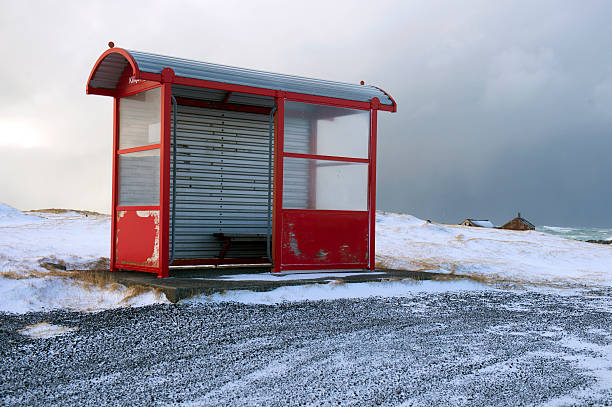
Let Thoughts Come and Go Like Buses at a Stop