How Vitamin B6 Can Help You Feel Less Anxious
Vitamin B6 is like a little worker in your body that helps make things your brain needs to feel good. One of those things is a chemical called serotonin. Serotonin is often called the “happy chemical” because it helps you feel calm, relaxed, and in a good mood. When your serotonin levels are low, you can feel cranky, worried, or just off. Vitamin B6 helps your body turn the food you eat into that happy chemical. Think of it like a factory: you need the right tools and workers to build a car. Vitamin B6 is one of those workers. Without enough of it, your brain struggles to make enough serotonin, and anxiety can creep in.
So where do you get this helpful vitamin? It’s not hiding in some weird health food store powder. You can find vitamin B6 in a lot of regular foods that probably sound pretty familiar. Bananas are a super easy source. Grab a banana for a snack, and you’re giving your body a dose of B6. Chickpeas are another great one. Yes, the same chickpeas that go into hummus. Eat some hummus with carrots or pita bread, and you’re helping your brain. Potatoes with the skin on have B6 too. So that baked potato you like? Good for more than just tasting delicious. Spinach, chicken, turkey, and fish like salmon and tuna also pack a punch of B6. Even sunflower seeds and nuts can help. The point is, you don’t have to eat anything weird or expensive. You just need to add a few of these foods to your day.
But here’s the thing: not everyone gets enough vitamin B6. The way we eat nowadays, with lots of processed foods and quick meals, can leave us short on important vitamins. When your body is low on B6, your brain might not be able to make enough serotonin. That can make you feel more stressed, anxious, or irritable. Some people even notice they get headaches or feel tired all the time. If you’re already dealing with a lot of anxiety, having a shortage of B6 can make it harder to handle. It’s like trying to drive a car that’s low on gas. You might get where you’re going, but it’s going to sputter and feel rough the whole way.
Now, I’m not saying that eating a banana will magically make all your anxiety disappear. That’s not how it works. Anxiety is a complex thing with lots of different causes. But giving your body the right building blocks to make feel-good brain chemicals is a simple step you can take. It’s like laying a good foundation for a house. If the foundation is weak, everything else is shaky. If you get enough vitamin B6, your foundation for a calm mood is stronger.
Let me give you a real-life example. Imagine you’re having a really stressful day. You’re worried about a test or a big talk you have to give. Your stomach is in knots. If you’ve been eating foods with B6 all week, your brain has a better chance of staying calm. That’s because the serotonin is flowing. You’ll still feel nervous, but you won’t feel like you’re about to fall apart. It’s a small edge, but it matters.
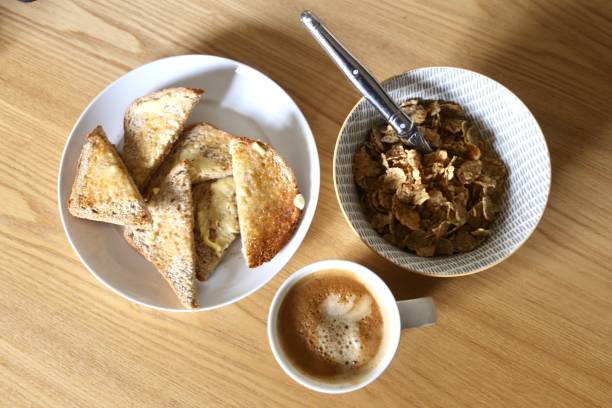
What’s a simple way to start? Try to include at least one B6-rich food in each meal. For breakfast, have a banana with your cereal or oatmeal. For lunch, make a sandwich with turkey or chicken. For dinner, have a baked potato with a side of spinach. Snack on some sunflower seeds or hummus with veggie sticks. You don’t have to go crazy and change everything at once. Just slowly add these foods in. Your brain will thank you.
And here’s another thing: vitamin B6 works better when you pair it with other vitamins like B12 and folic acid. You can find those in leafy greens, beans, and fortified grains. Think of them as a team. You want the whole crew to show up. But B6 is the star player for anxiety relief.
So next time you’re feeling that anxious flutter in your chest, don’t just reach for a deep breath. Also think about what you ate today. Did you give your brain any B6? If not, maybe grab a banana or some hummus. It’s a small change, but it’s a step in the right direction. Your mood is worth it. And the best part is, you don’t need a doctor or a special diet to try it. You just need to eat a little smarter. Give it a shot and see how you feel. You might be surprised at what a difference a simple vitamin can make.
Related Articles
Learn more about Food and Mood.