How Your Gut Bacteria Talk to Your Brain (And Why It Matters for Anxiety)
It turns out that your stomach and your brain are connected by a super-fast information highway called the vagus nerve. This nerve runs straight from the base of your skull all the way down to your intestines. It works like a two-way street. Your brain sends signals down to your stomach to tell it to start digesting food or to stop because you are stressed out. But more importantly, your stomach sends signals right back up to your brain. And the stuff that lives in your stomach, the little bacteria called your gut microbiome, is doing a lot of the talking.
Scientists used to think that the brain was the only boss of the body. Now they know that your gut bacteria are more like a loud second-in-command. These tiny bugs, the good ones and the bad ones, have a huge say in what mood you are in. The good bacteria, the ones you can get from probiotics, are the ones that are really good at sending calm, chill messages up that nerve to your brain. The bad bacteria, the ones that grow when you eat a lot of junk food or take too many antibiotics, are the ones that send panicky, stressed-out signals.
Here is how it works on a simple level. Your gut bacteria eat the food you give them. When the good guys have enough to eat, they produce things that your body needs, like vitamins and tiny little chemicals that help your immune system stay calm. One of the most important things they make is called GABA. That is a fancy name, but what it does is simple. GABA basically tells your brain to slow down and relax. It is like a natural off-switch for anxiety. If your gut is full of healthy probiotics, they are constantly making more GABA for you. That means your brain gets a steady stream of “chill out” messages.
On the other hand, if your gut is full of bad bacteria, those guys are not making GABA. They are making stuff that causes inflammation. Inflammation is a fancy word for your body being in a state of low-level alarm. That low-level alarm sends a signal up the vagus nerve that something is wrong. Your brain hears that signal, and because it does not know exactly what is going on in your gut, it just figures you must be in danger. That triggers your fight or flight response. You get that tight chest feeling. Your heart races. You feel on edge for no obvious reason.
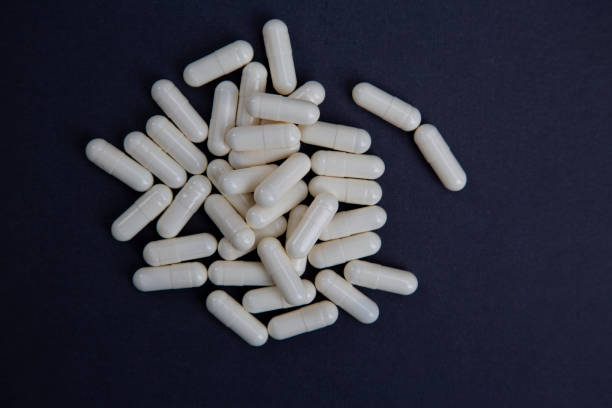
So, if you are dealing with anxiety that seems to have no specific cause, or if you feel nervous in your stomach a lot, your gut bacteria might be the culprit. This is where probiotics come in. Probiotics are just a fancy name for the good little bugs. You can eat them. They are alive. You can find them in simple food like yogurt that says it has live cultures on the label. You can find them in fermented foods like sauerkraut, which is just cabbage that has been soaked in salt water until good bacteria grew in it. Kimchi is another one, and so is kombucha, which is a fizzy tea. You can also buy probiotic pills at the store, but food is usually better because your body knows how to handle it.
The trick with probiotics is that you have to feed them so they stay alive. Good bacteria like to eat fiber. That means vegetables, beans, oats, and fruits. If you eat a bunch of probiotic yogurt but then eat nothing but pizza and soda, the good guys will starve and die. You have to eat the food for them. That food is called prebiotics. Think of prebiotics as the fertilizer for your gut garden. Probiotics are the seeds. If you do not have fertilizer, the seeds cannot grow.
Making a change to your gut bacteria is not a quick fix. It is not like taking a headache pill. It takes a little while. You have to consistently eat the good food and the good bacteria for a few weeks before the population in your gut shifts enough for the GABA production to go up. But once it does, you might notice that your general level of anxiety drops. You might not get that fluttery feeling in your stomach as often. You might feel a little more solid and grounded.
The bottom line is that your anxiety is not all in your head. A lot of it is in your stomach. If you fix the bugs down there, you can make a huge difference in the messages that get sent to your brain. It is one of the most natural and direct ways to lower general anxiety without needing complicated techniques or boring breathing exercises. Your gut is literally asking for the right food so it can help you stay calm. Listen to it.
Related Articles
Learn more about Helpful Supplements.